
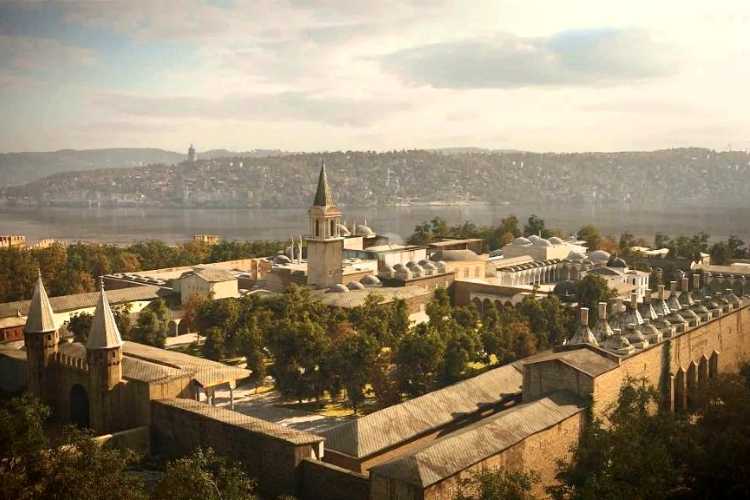
The Ottoman Empire isn’t just a dusty chapter in history books. With its culture, epic stories, and architectural wonders, it’s a legacy that still echoes today. Let’s take a quick yet meaningful journey through the rise and legacy of this remarkable empire.
From a Small Principality to a Global Power
It all began in 1299 when Osman Gazi established a small principality in Söğüt. No one could have guessed that this humble beginning would grow into an empire that would stretch across three continents—Asia, Europe, and Africa.
The Conqueror Who Opened a New Era: Sultan Mehmed II
In 1453, the conquest of Constantinople marked a turning point. Sultan Mehmed II, better known as Mehmed the Conqueror (Fatih Sultan Mehmet), not only captured the city but transformed it into the capital of the Ottoman Empire. He supported science, the arts, and turned the former Byzantine capital into one of the great centers of the Islamic world.
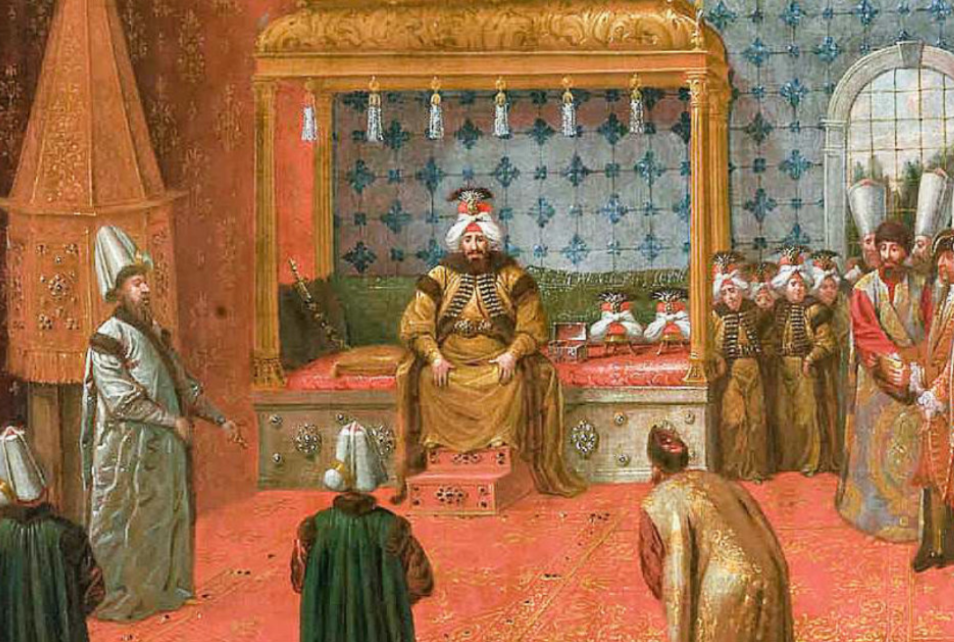
The Magnificent Age: Sultan Suleiman the Lawgiver
Following Mehmed’s legacy, the empire continued to expand, but it truly flourished under Sultan Suleiman the Magnificent. Known in Europe as “The Magnificent” and in the Islamic world as “Kanuni” (the Lawgiver), he ruled over a vast region stretching from Persia to the gates of Vienna. Beyond his military achievements, Suleiman was a great legislator and patron of the arts. This was also the golden age of Mimar Sinan, the empire’s most celebrated architect.
A Journey Through the Capitals and Edirne
The Ottoman capital changed several times throughout history. In the early days, Bilecik and Bursa held importance.
Later, the capital moved to Edirne. The iconic Selimiye Mosque, built by Mimar Sinan and described by him as his “masterpiece,” still stands proudly in the city. After 1453, Istanbul became the empire’s final and most enduring capital—serving as its political, cultural, and religious heart.
Grandeur Carved in Stone: Ottoman Architecture
The Ottomans didn’t just conquer lands—they built beauty. The Sultan Ahmed Mosque (also known as the Blue Mosque), standing across from the Hagia Sophia, remains one of Istanbul’s most famous landmarks. Its domes, minarets, and detailed tiles reflect the empire’s artistic excellence. Similarly, Selimiye Mosque in Edirne is considered one of the finest achievements in Islamic architecture.
The Final Chapter: An Empire Bows Out
By the 19th century, the Ottoman Empire was struggling to keep pace with the rapidly changing world. Despite reforms and modernization efforts, the empire gradually weakened. After World War I, the empire officially came to an end in 1922, paving the way for the modern Republic of Turkey.
A Legacy, A Story, A Lesson
The Ottoman Empire was more than a powerful state—it was a cultural force that shaped regions, ideas, and identities. From Fatih’s conquests to Suleiman’s laws, from majestic mosques to the multicultural society it governed, the Ottomans left a lasting imprint on history. Learning about this empire is not just about the past; it’s a key to better understanding the present.
The Ottoman Empire may have disappeared more than a century ago, but its influence remains visible across Turkey and far beyond. From the magnificent skyline of Istanbul to the elegant silhouette of the Selimiye Mosque in Edirne, its architectural, cultural and historical legacy continues to inspire millions of visitors every year. Exploring the Ottoman world is more than a journey into history—it’s an opportunity to better understand the roots of modern Turkey and one of the world’s most influential civilizations.
Frequently Asked Questions
When was the Ottoman Empire founded?
The Ottoman Empire was founded around 1299 by Osman Gazi in northwestern Anatolia. From a small principality, it expanded into one of history’s largest empires.
How long did the Ottoman Empire last?
The empire existed for more than 600 years, from 1299 until its dissolution in 1922.
What were the capitals of the Ottoman Empire?
The empire’s main capitals were Bursa, Edirne and finally Istanbul, which remained the capital from 1453 until the end of the empire.
Who conquered Constantinople?
Sultan Mehmed II, also known as Mehmed the Conqueror (Fatih Sultan Mehmet), captured Constantinople in 1453, marking the end of the Byzantine Empire and the beginning of a new era.
Who was Sultan Suleiman the Magnificent?
Sultan Suleiman (Süleyman) I ruled during the empire’s golden age. He expanded Ottoman territory, introduced important legal reforms and supported architecture, literature and the arts.
Why is the Selimiye Mosque important?
Located in Edirne, the Selimiye Mosque was designed by Mimar Sinan, who considered it his greatest work. It is widely regarded as one of the masterpieces of Islamic architecture.
Why did the Ottoman Empire decline?
A combination of military setbacks, economic difficulties, nationalist movements and political challenges weakened the empire over time. Following World War I, it officially ended in 1922.
Further Reading
If you would like to learn more about Ottoman history and its lasting influence, you may also enjoy:
 Türkçe