
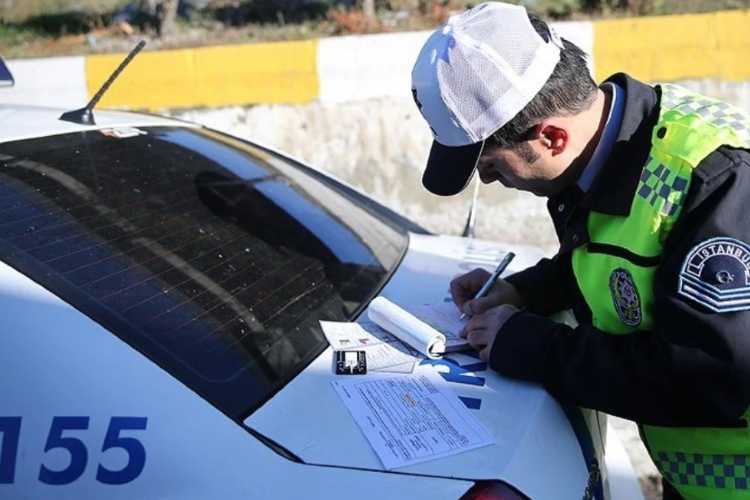
Traffic fines in Turkey are strictly enforced and updated regularly, especially with increased roadside inspections, speed cameras, and urban monitoring systems. For both foreign drivers and residents, understanding the most common penalties is essential to avoid unexpected costs or legal issues.
This guide explains the most frequent traffic violations, how fines are applied, and what drivers should know when traveling on Turkish roads.
How Traffic Fines Work in Turkey
Traffic fines in Turkey are issued by:
- Traffic police (roadside inspections)
- Electronic monitoring systems (EDS cameras)
- Highway cameras and radar systems
- Border and customs controls (in specific cases)
Fines are recorded digitally and linked to the vehicle’s license plate or driver identity.
In many cases, fines can be checked online and paid through official systems or banks.
Most Common Traffic Violations in Turkey
Speeding Violations
Speed limits are strictly enforced, especially on highways and urban roads.
- Minor speeding: low-level fines
- High speeding: increased fines and possible license penalty points
- Severe violations: license suspension risk
Speed cameras are widely used on intercity roads.
Seatbelt Violations
Not wearing a seatbelt is one of the most common fines.
- Applies to both driver and passengers
- Enforced in cities and highways
Mobile Phone Use While Driving
Using a mobile phone without hands-free equipment is prohibited.
- Immediate fine
- Risk increases if combined with other violations
Illegal or Non-Standard License Plates (APP Plates)
Non-compliant plates are treated as a serious violation.
- Includes modified fonts, sizes, or materials
- Includes unofficial plates not issued by authorized institutions
- Can result in high fines, vehicle restrictions, and administrative penalties
This is closely related to plate enforcement regulations.
Parking Violations
Illegal parking is heavily monitored in cities.
- No-parking zones
- Blocking traffic flow
- Disabled access violations
Vehicle Modification Violations
Unauthorized changes to vehicles or plates can result in penalties.
- Altered license plates
- Modified exhaust systems
- Non-compliant lighting or tinting
APP Plate and Serious Penalty Risk
One of the most severe modern enforcement areas involves non-standard license plates (commonly known as APP plates).
Drivers may face:
- High financial penalties
- Temporary vehicle bans
- License suspension
- Mandatory plate replacement
This issue is increasingly controlled through roadside inspections and automated recognition systems.
Payment of Traffic Fines
Traffic fines in Turkey can be paid through:
- Online government payment systems
- Banks and payment kiosks
- Tax offices
Early payment may sometimes include a discount depending on the violation type and timing.
What Happens If You Don’t Pay?
Unpaid traffic fines may lead to:
- Interest or penalty increases
- Restrictions during vehicle sale or transfer
- Possible enforcement at border crossings
- Administrative follow-up procedures
How Foreign Drivers Are Affected
Foreign drivers are also subject to Turkish traffic laws.
Fines can be:
- Issued at the border on exit
- Recorded during vehicle exit control
- Linked to passport or vehicle records
This is especially important for drivers entering Turkey via Edirne border gates such as Kapıkule or Pazarkule.
Frequently Asked Questions
Are traffic fines in Turkey expensive?
They vary depending on the violation, but serious offenses can be costly.
Can tourists get traffic fines?
Yes. All drivers in Turkey are subject to the same rules.
How do I check if I have a fine?
Fines can be checked through official online systems or at exit points.
Can traffic fines affect border crossing?
Yes, unpaid fines can sometimes be checked during exit procedures.
Further Reading
- Vehicle Documents Required in Turkey
- Crossing Into Turkey by Car
- Driving in Turkey: Tips for Foreign Drivers
- Kapıkule Border Gate Guide
- Edirne Guide
 Türkçe