

Planning to drive in Turkey? Whether you’re arriving by road from Greece or Bulgaria, or renting a car after landing, driving is one of the easiest ways to explore the country.
Turkey has a modern road network, well-maintained motorways, and fuel stations throughout the country. Driving is generally straightforward, but knowing a few local rules before you set off can make your journey safer, easier, and more enjoyable.
This guide covers the essentials, including the documents you’ll need, border procedures, driving rules, speed limits, toll roads, fuel stations, parking, and what to do in an emergency.
In This Guide
- Before You Drive to Turkey
- Essential Documents
- Is Your Driving Licence Valid?
- Prepare Your Vehicle
- Crossing the Border
- Driving Rules in Turkey
- Speed Limits
- Speed Cameras
- Road Conditions
- Road Signs
- HGS Electronic Toll System
- Fuel Stations
- Parking in Turkey
- Driving Etiquette
- What Equipment Should You Carry?
- What Should You Do If You Have an Accident?
- What If the Police Stop You?
- Emergency Numbers
- Frequently Asked Questions
- Final Thoughts
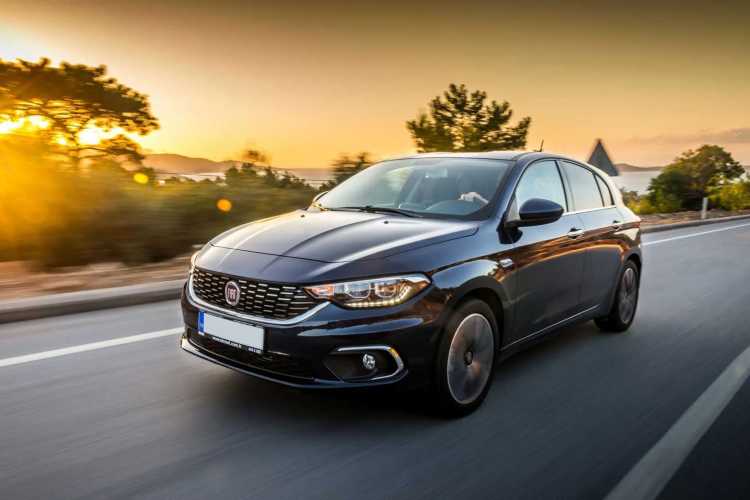
Before You Drive to Turkey
A few simple checks before your journey can save time and help avoid unnecessary problems at the border.
Essential Documents
If you’re entering Turkey with your own vehicle, you should normally carry:
- A valid passport or travel document.
- A valid driving licence.
- Your vehicle registration certificate.
- Motor insurance valid in Turkey.
- Written authorisation if you’re driving a vehicle registered in someone else’s name.
If your insurance does not cover Turkey, temporary border insurance is usually available near the border crossing.
Tip: Keep your passport, driving licence, vehicle registration, and insurance documents together. It makes border procedures quicker and easier.
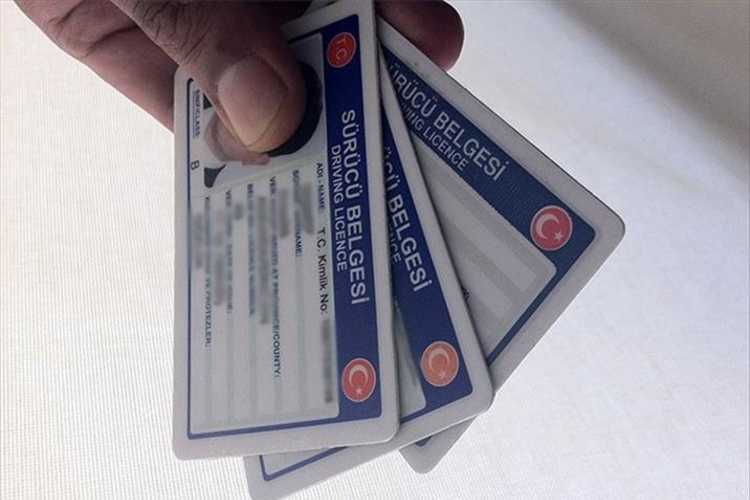
Is Your Driving Licence Valid?
Most foreign visitors can drive in Turkey using their national driving licence for a limited period.
Depending on your country of residence, you may also need an International Driving Permit (IDP). If you’re unsure, check with the authority that issued your driving licence before travelling.
Prepare Your Vehicle
Before a long journey, make sure your vehicle is roadworthy.
Check following:
- Tyre pressure and tread.
- Engine oil.
- Coolant.
- Lights and indicators.
- Windscreen washer fluid.
- Spare wheel or tyre repair kit.
It’s also advisable to carry a warning triangle, a reflective safety vest, and a basic first aid kit.
Crossing the Border
When entering Turkey by road, you’ll pass through passport and customs checks.
Border officers may ask to see your:
- Passport.
- Driving licence.
- Vehicle registration certificate.
- Insurance documents.
Waiting times vary depending on the season, the border crossing, and the time of day. Delays are more common during weekends, public holidays, and the summer travel season
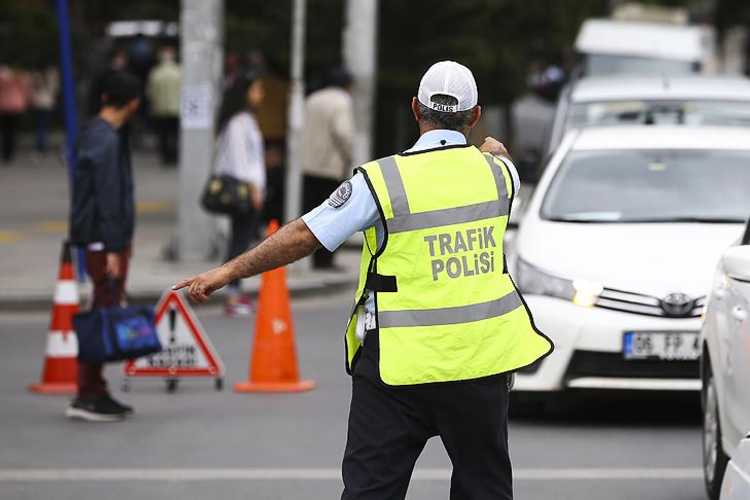
Driving Rules in Turkey
Driving in Turkey is generally straightforward, and most traffic rules will be familiar to visitors from Europe.
Always drive on the right-hand side of the road and overtake on the left. Seat belts are compulsory for both the driver and passengers. Using a mobile phone while driving is prohibited unless you have a hands-free system.
What Are the Speed Limits?
Turkey uses kilometres per hour (km/h). The standard speed limits for passenger cars are:
| Road Type | Speed Limit |
| Urban areas | 50 km/h |
| Rural roads | 90 km/h |
| Divided highways | 110 km/h |
| Motorways | 130 km/h |
Always obey local traffic signs, as speed limits may vary depending on road conditions.
Tip: Whenever you enter a village, town, or city, assume the speed limit is 50 km/h unless a traffic sign indicates otherwise. Slowing down immediately not only helps you avoid fines but also makes the roads safer for pedestrians, cyclists, and local traffic.
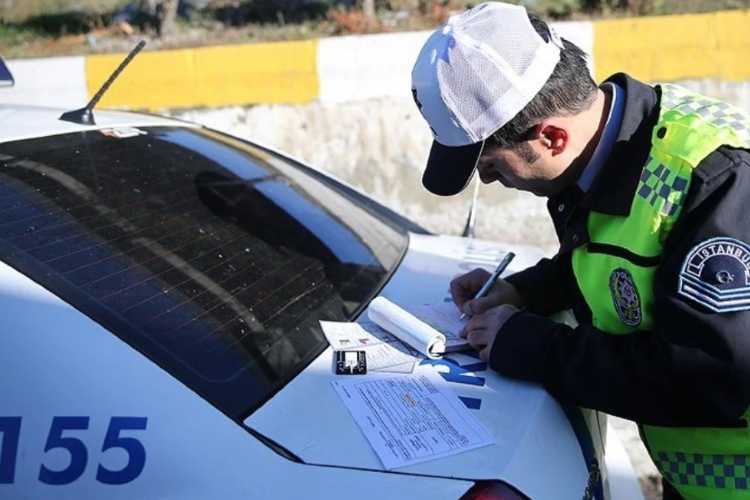
Are Speed Cameras Common? Yes.
Speed cameras are widely used throughout Turkey, particularly on motorways and major highways.
Following the posted speed limits is the easiest way to avoid fines.
Are Seat Belts Mandatory? Yes.
Seat belts are compulsory for both front and rear seat occupants.
Children must travel in an appropriate child restraint system where required by law.
Can I Use My Mobile Phone While Driving?
Only with a hands-free system.
Holding a mobile phone while driving is illegal and may result in a fine.
Is Drink Driving Allowed?
Turkey has strict drink-driving laws.
If you’re planning to drive, the safest advice is simple: don’t drink alcohol before getting behind the wheel.
What Are Turkish Roads Like?
Turkey has an extensive network of modern motorways and divided highways connecting major cities.
Road quality is generally very good. In rural areas, roads may be narrower, and extra care should be taken, particularly after dark.
Are Road Signs Easy to Understand? Yes.
Road signs follow international standards and use familiar symbols. Direction signs are written in Turkish, but signs to airports, border crossings, and major tourist destinations are generally easy to recognise.
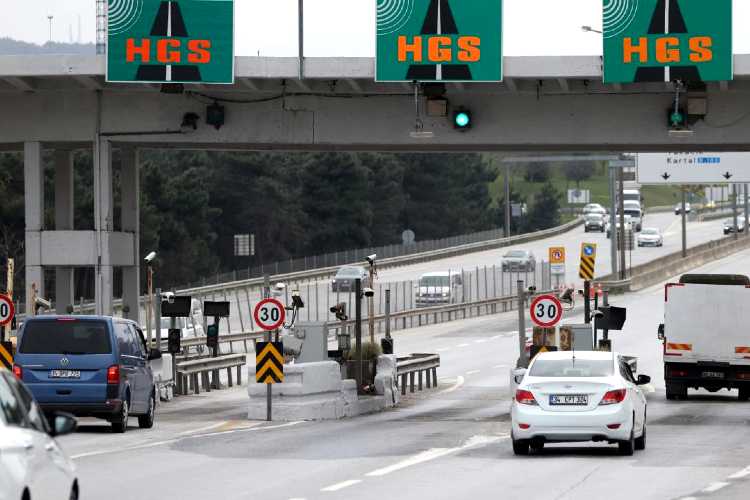
HGS Electronic Toll System
Do I Need HGS? Yes.
Most motorways and some bridges in Turkey use the HGS (Fast Transit System) for electronic toll collection. If you’re driving your own vehicle into Turkey, you’ll normally need an HGS tag or account to pay motorway tolls. You should obtain an HGS tag as soon as possible after entering Turkey. Using toll roads without a valid HGS account can result in unpaid tolls and additional charges. If these remain unpaid, they may create problems when leaving Turkey.
For a step-by-step explanation, including where to obtain an HGS tag and how the system works, see our dedicated HGS in Turkey guide.
Fuel Stations
Is Fuel Easy to Find? Yes.
Fuel stations are widely available throughout Turkey, especially on motorways, major highways, and in towns and cities.
Tip: When travelling long distances, especially through rural areas, it’s a good habit to refill your tank before it drops below half.
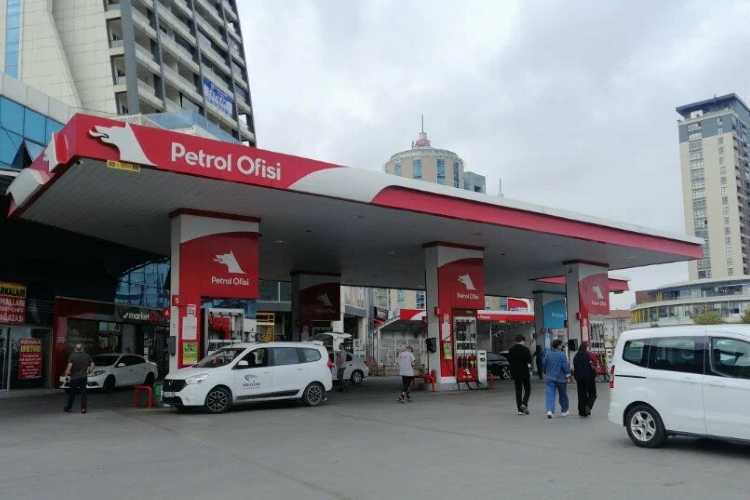
What Types of Fuel Are Available?
Most fuel stations offer:
- Petrol (Gasoline)
- Diesel
- LPG (Autogas)
If you’re unsure which fuel your vehicle requires, check your vehicle before filling up.
Can I Pay by Credit Card? Mostly , yes.
Most fuel stations accept international credit and debit cards.
However, carrying some Turkish Lira is always sensible in case electronic payments are temporarily unavailable.
Are Fuel Stations Self-Service? Usually no .
At most fuel stations, an attendant fills your vehicle for you. Simply tell them which fuel you need and, if you don’t want a full tank, how much fuel you would like.
Parking in Turkey
Is Parking Easy? Generally, yes.
Most towns and cities offer a combination of:
- On-street parking.
- Municipal car parks.
- Private car parks.
- Shopping centre parking.
Finding a space may take longer in busy city centres, particularly during weekends and public holidays.
If you’re continuing your journey to Istanbul, the İSPARK parking map helps you locate municipal car parks across the city. Many facilities also provide live occupancy information and mobile payment options through the İSPARK app.
How Do I Pay for Parking?
Payment methods vary depending on the location.
You may be able to pay by: Credit or debit card, cash, mobile payment applications where available. Always check the payment instructions displayed at the parking area.
Can I Park Anywhere? No.
Only park where parking is permitted and avoid blocking roads, pavements, driveways, or emergency access.
If you’re unsure, use an official car park.
Tip: Parking rules and payment methods vary from one city to another. If you’re visiting Edirne, see our guide Parking in Edirne: Where to Park, Fees and Practical Tips.
Driving Etiquette
What Should I Expect?
Driving styles may feel more assertive than in some European countries, particularly in larger cities.
Drive confidently, remain alert, and avoid feeling pressured by faster drivers.
Should I Use My Horn?
Yes—but only when necessary.
In Turkey, the horn is often used to warn other road users rather than to express frustration.
Is Night Driving Different?
Motorways are generally well maintained and suitable for night driving.
On rural roads, however, take extra care. Lighting may be limited, and you may occasionally encounter slow-moving agricultural vehicles or animals.
What Equipment Should I Carry in My Car?
Although requirements may vary depending on the vehicle and circumstances, it’s advisable to carry:
- Warning triangle.
- Reflective safety vest.
- First aid kit.
- Spare wheel or tyre repair kit.
- Basic tools for changing a wheel.
Checking these items before a long journey can save time if an unexpected problem occurs.
What Should I Do If I Have an Accident?
If you’re involved in a traffic accident, stay calm and make safety your first priority.If Anyone Is Injured
- Call 112 immediately and request an ambulance. The operator will arrange the appropriate emergency services, including the police if required.
- Do not move anyone who is seriously injured unless there is an immediate danger, such as fire.
- Switch off your vehicle’s engine and, if it is safe to do so, check for signs of a fuel leak.
- If you notice a fuel leak or fire risk, move away from the vehicle and wait for the emergency services.
- Leave the accident scene as undisturbed as possible until the police arrive, unless instructed otherwise by the emergency services.
If the Accident Involves Property Damage Only
If no one is injured and only the vehicles have been damaged:
- Move the vehicles to a safe location if they are blocking traffic and it is safe to do so.
- Switch on your hazard warning lights and, where appropriate, place a warning triangle behind your vehicle.
- Exchange names, contact details, vehicle registration numbers, and insurance information with the other driver.
- Take photographs of the vehicles, the damage, the road, traffic signs, and the overall accident scene.
- Contact your insurance company—or your rental car company if you’re driving a rental vehicle—as soon as possible and follow their instructions.
Tip: Keep a pen, a notepad, and your insurance details in your vehicle. They can save valuable time if you ever need to record information at the scene of an accident.
What If the Police Stop Me?
Police checks are a normal part of road safety in Turkey.
If you’re asked to stop:
- Pull over safely.
- Stay calm and be polite.
- Keep your hands visible.
- Have your passport, driving licence, vehicle registration,
and insurance documents ready. - Follow the officer’s instructions.
Routine checks are usually completed within a few minutes.
Emergency Numbers
If you need emergency assistance anywhere in Turkey, use the following number:
Service Number Police, Ambulance and Fire Service 112 The 112 Emergency Call Centre operates throughout Turkey.
Frequently Asked Questions
Can foreigners drive in Turkey?
Yes. Foreign visitors can drive in Turkey provided they meet the legal requirements and carry the necessary documents.
Do I need an International Driving Permit (IDP)?
Not always. Whether you need an IDP depends on your country of residence and the driving licence you hold. If you’re unsure, check with the authority that issued your licence before travelling.
Can I use my EU driving licence?
In many cases, yes. Visitors from EU countries can generally drive in Turkey using their valid national driving licence for a limited period.
Is driving in Turkey safe?
Yes. Turkey has a modern road network, and most journeys are straightforward. As in any country, driving carefully, following traffic rules, and remaining alert will help ensure a safe journey.
Do I need HGS to use motorways?
Yes. Most Turkish motorways use the HGS electronic toll collection system.
Can I pay motorway tolls with cash?
In most cases, no. Motorway tolls are generally collected electronically through the HGS system.
Are fuel stations open 24 hours?
Many fuel stations on major roads and motorways operate 24 hours a day, although this is not the case everywhere.
Are speed cameras common?
Yes. Speed cameras are widely used throughout Turkey, particularly on motorways and major highways.
What should I do if my vehicle breaks down?
Move your vehicle to a safe location if possible, switch on your hazard warning lights, and contact your breakdown assistance provider or insurer.
Is it safe to drive at night?
Yes. Motorways are generally well maintained, but extra care should be taken on rural roads where lighting may be limited.
Final Thoughts
Driving in Turkey is easier than many first-time visitors expect. With a little preparation and an understanding of local traffic rules, you can travel confidently and enjoy the freedom of exploring the country by car.
Whether you’re visiting for a weekend in Edirne, a road trip along the Aegean coast, or a longer journey across Turkey, planning ahead will make your experience smoother and more enjoyable.
We hope this guide has helped you prepare for your journey. Drive safely, respect local traffic laws, and enjoy everything Turkey has to offer.
Further Reading
- HGS Toll System in Turkey
- Driving to Turkey via Edirne
- Parking in Edirne: Where to Park, Fees & Tips
- Kapıkule Border Crossing Guide
- İpsala Border Crossing Guide
- Visiting Edirne from Greece
- Visiting Edirne from Bulgaria
- Getting Around in Edirne
- Taxi Rules in Turkey: Payment etc.
- Cost in Edirne per Day
 Türkçe