
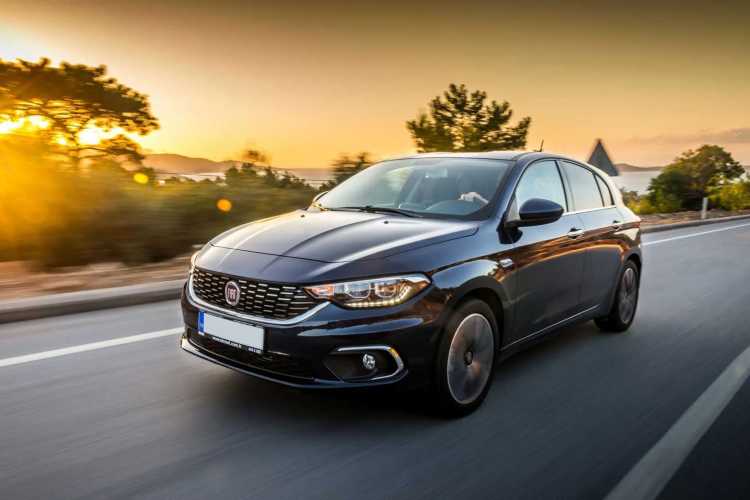
From the Mediterranean coast and the Aegean shoreline to historic cities, mountain villages, and lesser-known cultural destinations, renting a car in Turkey can significantly expand your travel options. While the country has an extensive network of buses, domestic flights, and rail services, having your own vehicle provides a level of flexibility that public transportation cannot always offer.
Whether you are planning a short city break, a coastal road trip, or a longer journey across multiple regions, understanding how car rental works in Turkey will help you make informed decisions and avoid unnecessary surprises.
Why Rent a Car in Turkey?
Turkey is a large and geographically diverse country. Many of its most rewarding destinations lie beyond the major transport corridors.
A rental car allows you to:
- Travel on your own schedule
- Explore smaller towns and villages
- Visit beaches, viewpoints, and archaeological sites
- Stop whenever you discover something interesting
- Reach destinations with limited public transport
- Create a more flexible itinerary
For travelers interested in road trips, coastal routes, nature, or regional exploration, renting a car is often one of the best ways to experience the country.
Requirements for Renting a Car in Turkey
Most rental companies require:
- A valid driving licence
- Passport or national identity card
- Credit card in the driver’s name
- Minimum age of 21
Some vehicle categories may require drivers to be at least 25 years old, and younger drivers may be subject to additional fees.
Before traveling, visitors should verify whether their domestic driving licence is accepted in Turkey and whether an International Driving Permit is recommended for their nationality.
Typical Car Rental Prices in Turkey
Rental costs vary depending on season, location, vehicle category, and availability.
As of June 2026, when 1 US Dollar was approximately 46 Turkish Lira, the following daily rates provided a general indication of the market:
| Vehicle Category | Typical Daily Rate |
|---|---|
| Economy (e.g. Opel Corsa) | 1,500–2,000 TL |
| Mid-Size Sedan | 2,000–3,000 TL |
| SUV (e.g. Jeep Avenger) | 3,500 TL and above |
| Minibus | 3,500 TL and above |
These figures should be viewed as examples rather than fixed prices. Rates can increase significantly during summer holidays, national holidays, and peak tourism periods.
Most Popular Rental Car Types
Economy Cars
Economy vehicles are the most common choice for city breaks and budget-conscious travelers.
Advantages include:
- Lower rental costs
- Better fuel economy
- Easier parking
- Greater maneuverability in historic districts
Mid-Size Cars
Mid-size sedans offer a balance between comfort and affordability and are popular for longer journeys.
SUVs
SUVs are particularly useful for:
- Coastal road trips
- Family travel
- Rural exploration
- Travelers carrying additional luggage
Minibuses
Minibuses are often chosen by larger families and travel groups seeking additional passenger space.
Where to Rent a Car
Rental services are available throughout Turkey, including:
- International airports
- Domestic airports
- City centers
- Tourist resorts
- Major transportation hubs
- Border crossings
Many travelers arriving from Europe choose to rent vehicles after entering Turkey through border crossings such as Kapıkule Border Gate near Edirne.
However, airports often offer the widest selection of vehicles and rental companies.
Booking in advance is strongly recommended during peak travel seasons.
Insurance and Security Deposits
Before collecting a vehicle, it is important to understand the insurance coverage included in the rental agreement.
Common options include:
- Collision Damage Waiver (CDW)
- Theft protection
- Third-party liability coverage
- Tire protection
- Windscreen protection
Most rental companies also place a temporary security deposit hold on a credit card for the duration of the rental.
Always inspect the vehicle carefully and document any existing damage before leaving the rental location.
Automatic vs Manual Cars
Manual transmission vehicles remain common throughout Turkey and are often less expensive to rent.
Travelers preferring automatic transmission should:
- Book early
- Confirm availability in advance
- Expect slightly higher rental costs
Automatic vehicles can become difficult to find during busy summer periods.
Driving in Turkey: What to Expect
Driving conditions vary considerably depending on the region.
Large metropolitan areas such as Istanbul can experience heavy traffic, while smaller cities and towns are generally easier to navigate.
Visitors can expect:
- Modern motorways between major cities
- Good-quality regional roads
- Narrow streets in historic districts
- Rural roads with varying conditions
- Scenic coastal routes with sharp bends
Traffic is typically busiest during:
- Morning rush hour: 07:00–10:00
- Evening rush hour: 17:00–20:00
Road Rules and Speed Limits
Drivers should always obey local road signs and regulations.
General speed limits include:
- Urban areas: 50 km/h
- Rural roads: 90 km/h
- Divided highways: 110 km/h
- Motorways: up to 130 km/h where permitted
Seat belts are mandatory, and drivers should avoid using mobile phones unless a hands-free system is available.
Toll Roads and the HGS System
Many Turkish motorways, bridges, and expressways operate through the HGS electronic toll system.
Most rental vehicles already contain an HGS transponder.
Toll charges are generally:
- Recorded electronically
- Added to the rental account
- Charged after the rental period
Travelers should ask their rental company how toll payments are handled before departure.
Fuel Stations and Fuel Types
Fuel stations are widespread throughout Turkey and are generally easy to find, even outside major cities.
Available fuel types commonly include:
- Benzin (Petrol)
- Motorin (Diesel)
- LPG (Autogas)
Most stations provide staffed service and accept international credit cards.
Motorway service areas frequently include restaurants, cafes, shops, and rest facilities.
Parking and City Driving
Parking arrangements vary considerably depending on location.
Travelers will commonly encounter:
- Municipal parking lots
- Private garages
- Paid street parking
- Shopping center parking facilities
Historic districts often have restricted vehicle access and limited parking availability.
Choosing a compact vehicle can make city driving considerably easier.
Seasonal Driving Conditions
Spring (March–May)
Spring is one of the most pleasant times to explore Turkey by car, with moderate temperatures and lighter tourist traffic.
Summer (June–September)
Summer is the busiest season for tourism.
Travelers should expect:
- Increased rental demand
- Higher prices
- Heavier traffic near coastal resorts
- More crowded attractions
Autumn (September–November)
Many experienced travelers consider autumn one of the best periods for road trips thanks to comfortable weather and reduced crowds.
Winter (December–February)
Snow and ice may affect inland and mountainous regions, while coastal areas generally remain milder.
Winter tires may be required in certain locations and weather conditions.
Popular Road Trip Routes in Turkey
Istanbul to Edirne
A straightforward motorway journey connecting Turkey’s largest city with one of its most historic former capitals.
Izmir to Bodrum
One of the country’s classic Aegean coastal drives, combining beaches, seaside towns, and scenic landscapes.
Antalya to Fethiye
A spectacular Mediterranean route featuring coastal views, beaches, mountains, and charming towns.
Çanakkale to Assos
A rewarding journey for travelers interested in both history and coastal scenery.
Renting a car allows visitors to discover destinations beyond major tourism hubs, including places such as Edirne, Çanakkale, Bursa, and numerous smaller towns often overlooked by conventional itineraries.
Driving Example: Exploring Edirne
Edirne offers one of the easiest driving experiences among Turkey’s historic cities.
Most major attractions, including Selimiye Mosque and the historic center, are located relatively close to one another, making compact vehicles a practical choice.
Traffic is generally light compared with larger cities such as Istanbul, although short peak periods can occur around major roads and central junctions.
Visitors should note that Saraçlar Street is pedestrian-only, while parking near major landmarks can become limited during weekends, public holidays, and busy tourism periods.
For travelers wishing to explore riverside areas, surrounding villages, or routes leading toward the Saros Gulf coast, having a car provides considerably greater flexibility.
Cross-Border Travel
Travelers intending to drive beyond Turkey’s borders should confirm this with the rental company before making a reservation.
Cross-border travel may require:
- Written authorization
- Additional insurance
- Extra documentation
- Specific vehicle categories
Some rental agreements prohibit international travel entirely.
Always review the terms and conditions carefully.
Is Renting a Car Worth It?
The answer depends largely on your itinerary.
If your visit is limited to central areas of major cities, public transportation may be sufficient.
However, travelers interested in:
- Coastal road trips
- Historic towns
- Archaeological sites
- National parks
- Rural landscapes
- Multi-destination itineraries
will often find that renting a car offers a more flexible and rewarding experience.
The ability to travel independently, stop wherever you wish, and explore beyond the standard tourist routes can significantly enhance a trip to Turkey.
Frequently Asked Questions
Can foreigners rent a car in Turkey?
Yes. Most visitors can rent a vehicle using a valid driving licence, passport, and credit card.
Is driving in Turkey safe?
Major highways and motorways are generally modern and well maintained. Additional caution is recommended on rural, mountain, and coastal roads.
Do rental cars include toll road access?
Most rental vehicles are equipped with the HGS electronic toll system, although charges are usually billed separately.
Is parking free in Turkey?
Some locations offer free parking, but paid parking is common in city centers and popular tourist areas.
Can I rent a car in one city and return it in another?
Many rental companies offer one-way rentals, although additional fees may apply.
Should I choose an automatic or manual vehicle?
Manual vehicles are more common and often cheaper. Travelers preferring automatic transmission should reserve early.
Is a rental car necessary for visiting Turkey?
Not always. Public transportation is often sufficient in major cities. However, travelers planning regional exploration frequently benefit from having their own vehicle.
What is the best region in Turkey for a road trip?
Popular choices include the Aegean Coast, Mediterranean Coast, Cappadocia, Thrace, and northwestern Turkey around Edirne, Bursa, and Çanakkale.
 Türkçe