
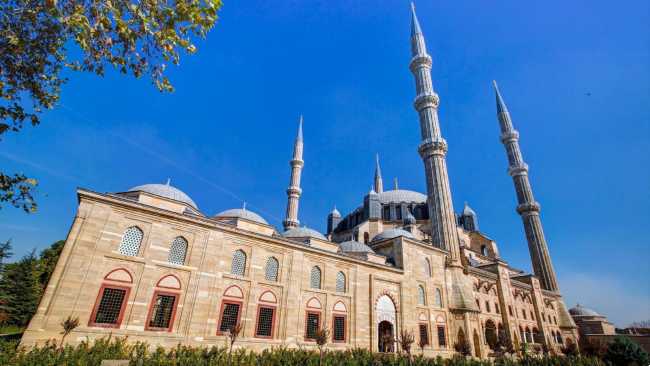
Just three hours from Istanbul, Edirne is not merely a point on the map — it is a city where history, daily life, and tradition continue side by side. Once the second capital of the Ottoman Empire, it preserves a cultural identity shaped by centuries of architecture, migration, craftsmanship, and living traditions, all still visible in everyday life.

A City Shaped by History and Cultural Layers
Edirne’s identity reflects its position at the crossroads of Europe and Asia. Over centuries, it has experienced migration, settlement, and cultural exchange, particularly from the Balkans. Many residents today are descendants of these movements, and their influence remains visible in food, music, customs, and social life.
Following the Ottoman conquest in 1361, the city became a major administrative and cultural centre. Its heritage is still strongly defined by Ottoman architecture and traditions, enriched by Balkan and Thracian influences. Rather than existing as preserved history, this legacy continues to shape how the city is lived today.
Festivals That Define the City’s Rhythm
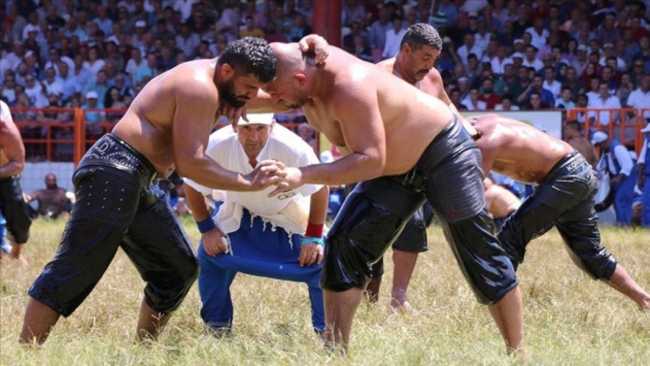
Festivals are central to Edirne’s identity, turning the city into a shared space of celebration and tradition.
Kırkpınar Oil Wrestling is one of the world’s oldest continuous sporting events. Wrestlers compete covered in olive oil, while music, processions, and crowds fill the city with energy and heritage.

Kakava and Hıdrellez mark the arrival of spring with Roma traditions, bonfires, music, and communal celebration.
The Edirne Gastronomy Festival highlights regional cuisine such as Edirne köfte, İpsala rice, and traditional sweets through tastings and cultural events.
The Bando and Liver Festival combines street music with the city’s most iconic dish, transforming food into a shared public experience.
Food as Everyday Culture

Food plays a central role in social life. Tava ciğer (fried liver), Edirne köfte, pastries, and traditional sweets are part of daily rhythm rather than occasional dining.
In Thrace, meals are often social gatherings, and a glass of raki frequently accompanies them. Traditional restaurants, cafés, and local markets reflect a culture where food and conversation are deeply connected.
Folk Traditions and Cultural Expression
Folk music in Edirne reflects themes of migration, longing, and resilience, shaped by the region’s historical experience.
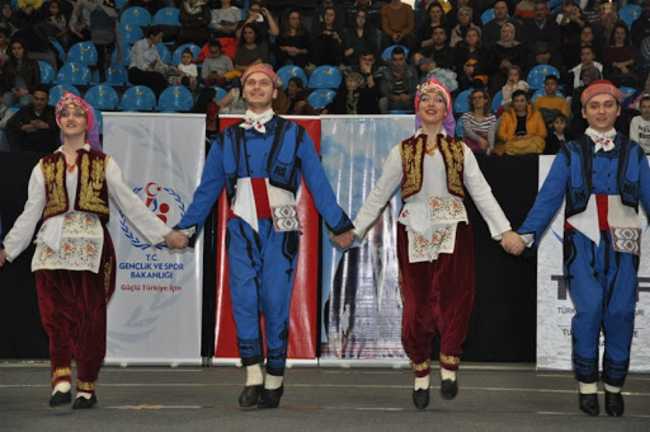
Traditional performances such as Kasap Oyunu continue to be part of festivals and local celebrations, accompanied by drums and zurna. These traditions remain active rather than symbolic, passed between generations through public events and gatherings.
Handicrafts and Local Identity
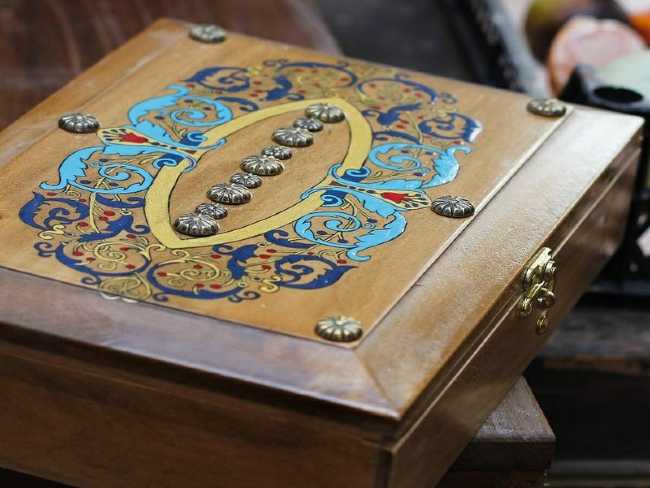
Edirne is known for Edirnekari, a refined woodcraft tradition featuring hand-painted decorative designs used in furniture and architecture.
Local products such as Edirne cheese, marzipan, halva, and deva-i misk remain part of both cultural heritage and daily consumption. Handicrafts and food traditions together reflect continuity between past and present.

Education and Modern Cultural Life
Trakya University plays a major role in shaping the city’s modern identity. Its large student population contributes to cultural diversity, energy, and year-round activity.
Exhibitions, performances, academic events, and cultural gatherings ensure that Edirne remains active beyond its historical character.

Modern Social Spaces
Beyond its heritage, Edirne has a relaxed and accessible modern social life.
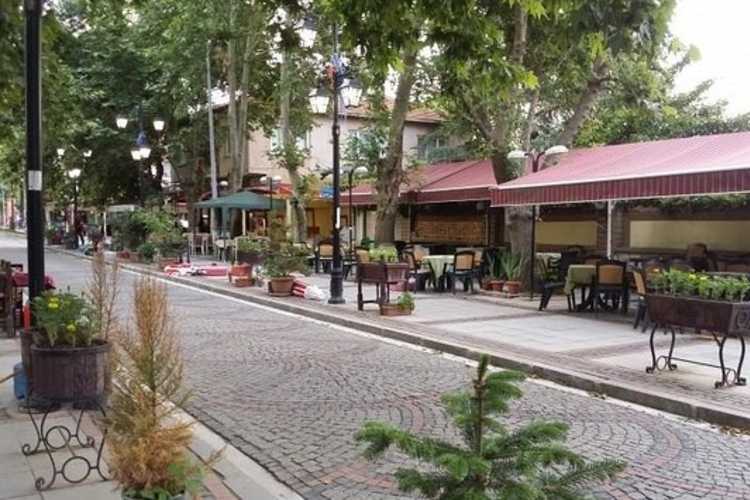
Saraçlar Street serves as the city’s main pedestrian and shopping avenue, combining commerce with daily social activity.
Karaağaç offers a quieter atmosphere with cafés and green surroundings near historic architecture.
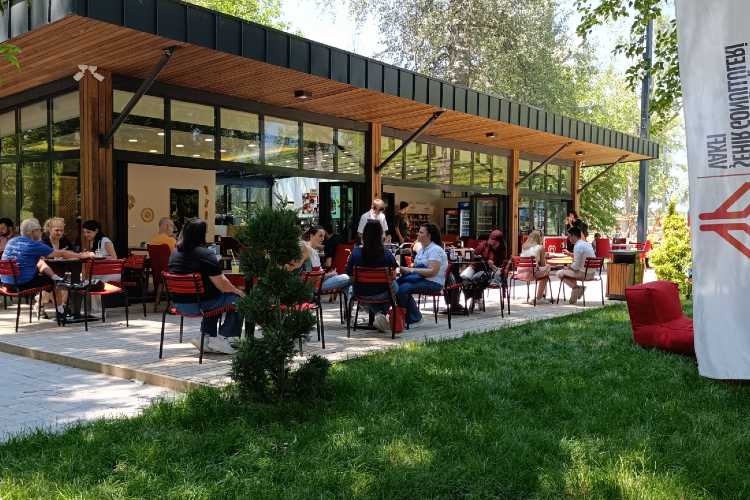
Millet Bahçesi provides a riverside space where locals gather in a natural, open-air environment throughout the day.
People sitting at outdoor café tables in Edirne Millet Bahçesi, a green riverside park with a relaxed atmosphere
Why Visit Now
- Just three hours from Istanbul, ideal for short trips
- A year-round calendar of festivals and cultural events
- Strong local food culture rooted in everyday life
- A rare balance of historic identity and modern social rhythm
Tip: Visiting during a festival offers the most complete experience, when the city’s cultural life becomes fully visible in the streets.
Frequently Asked Questions
Is Edirne worth visiting for culture and history?
Yes. It is one of Turkey’s most important Ottoman heritage cities with a strong living cultural identity.
How much time is needed to visit?
One to two days is enough for the main cultural highlights.
What is Edirne best known for?
Selimiye Mosque, Kırkpınar Festival, Ottoman heritage, and local cuisine.
Is Edirne modern or traditional?
It combines both, with historical depth and active contemporary life.
When is the best time to visit?
Spring and summer, especially during festivals.
Explore Edirne’s Cultural Identity
To understand Edirne more deeply, explore its main cultural and historical layers:
Ottoman Heritage & Architecture
- Selimiye Mosque (UNESCO World Heritage Site)
- Edirne Palace
- Eski Camii (Old Mosque)
- Üç Şerefeli Mosque
Living Traditions & Festivals
Museums & Knowledge Heritage
Food & Daily Culture
- Edirne Tava Ciğeri (fried liver)
- Edirne Köfte (meatballs)
- Traditional Edirne cuisine
- Historical Bazaars
Plan Your Visit
- Edirne Guide (travel hub page)
- Things to do in Edirne
- Where to eat in Edirne
- Saros Coast escapes
Edirne’s culture is experienced through its streets, traditions, food, and everyday social life, where historical layers remain visible within a living and evolving city.
 Türkçe