
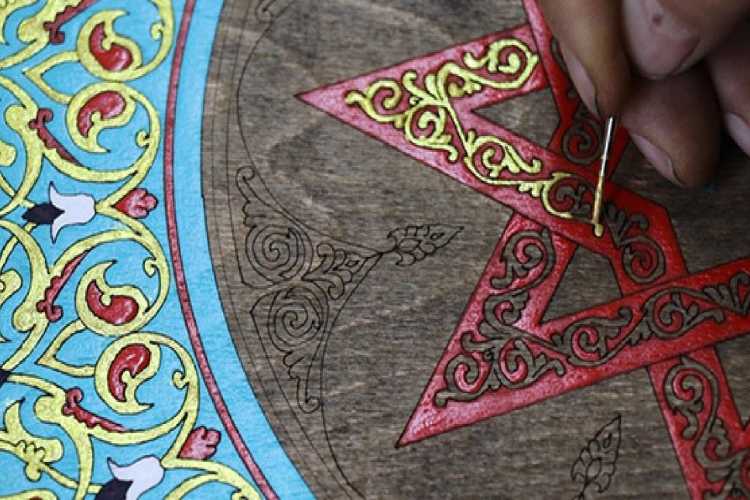
Edirne is famous for its grand mosques and historic streets, but one of the city’s most refined artistic traditions is often overlooked: Edirnekari. This delicate Ottoman wood art, born in Edirne, decorates mosques, mansions, and other historic buildings with intricate floral and geometric patterns. For travelers and culture enthusiasts, discovering Edirnekari offers a unique glimpse into the city’s rich artistic heritage and craftsmanship that has survived for centuries.
What Is Edirnekari?
Edirnekari is a traditional Ottoman decorative woodcraft developed in Edirne, combining carving, inlay, and hand-painted ornamentation on wooden surfaces. It is not a single technique, but a layered craft tradition in which structural shaping, surface decoration, and detailed painting are used together to create highly refined artistic objects.
Edirnekari works are known for their floral and geometric motifs, precise craftsmanship, and the harmonious integration of multiple decorative methods within a single piece. This makes it distinct from simple wood carving or painting traditions, positioning it as a comprehensive form of Ottoman decorative art.
Edirnekari Among Ottoman Woodworking Traditions
Edirnekari is considered one of the most refined surviving traditions of Ottoman decorative woodwork.
Ottoman woodwork includes several important decorative traditions. Kündekari creates complex geometric structures by interlocking wooden pieces without nails. Sedef Kakma decorates wood with mother-of-pearl inlay. Edirnekari focuses primarily on painted and lacquered ornamentation, although carving and inlay may also accompany the decoration. Together these traditions represent different expressions of Ottoman woodworking craftsmanship.
Historical Origins in Edirne
The art of Edirnekari emerged during the Ottoman era in Edirne, then one of the empire’s most important cities. It was originally used to embellish mosques, palaces, and important public buildings. Over time, Edirnekari became a symbol of the city’s sophisticated artistic heritage and a point of pride for local artisans.
How Edirnekari Is Made
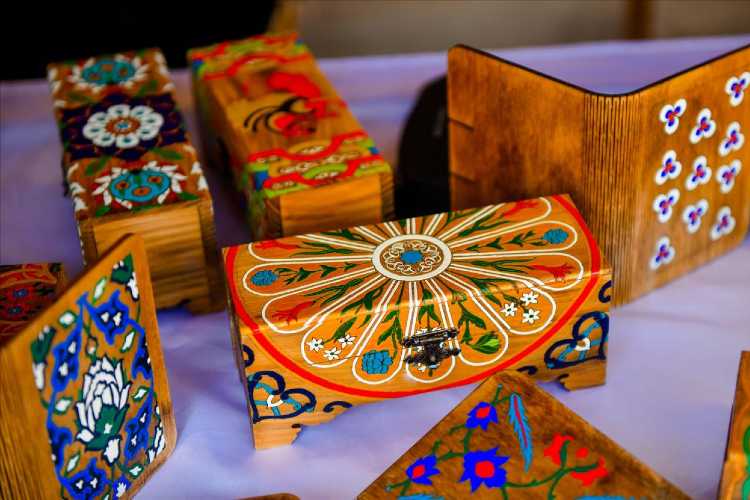
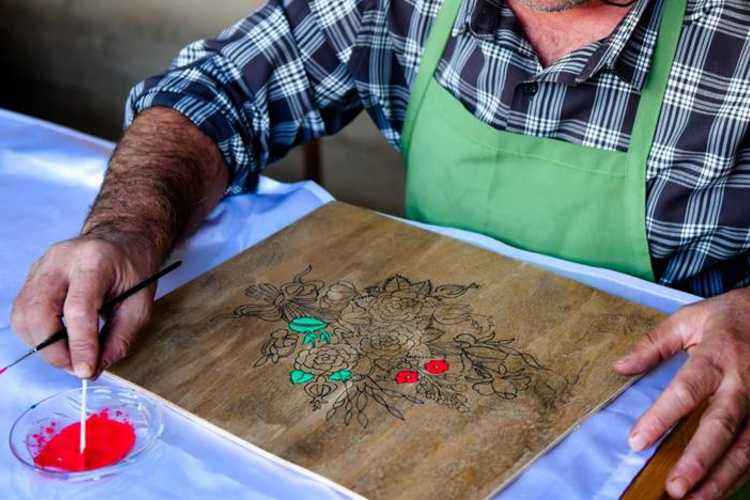
Creating Edirnekari requires patience, precision, and a keen eye for detail. Artisans begin by preparing the wooden surface, then sketch intricate patterns before carefully painting them with natural pigments. Traditional tools and brushes are used to achieve the signature fine lines and vibrant colors that define this craft.
Edirnekârî was not only applied to architectural woodwork but also flourished in bookbinding and decorative objects, showing the full range of the craft.
Watch a master artisan bring Edirnekârî to life, demonstrating traditional Ottoman wood painting techniques.
Master Artisan on Edirnekârî
(Translated from the video interview)“When I first began researching Edirnekârî, I collected visual references and spent weeks observing museum pieces. I meticulously copied each motif, studying every detail. Later, at Mimar Sinan University, I learned the original techniques, patterns, and painting methods directly from professors and historic works. This experience deepened my passion for Edirnekârî, and over the years, I have trained thousands of students, many of whom now teach or work at institutions such as Topkapı Palace, Dolmabahçe Palace, and other historic sites.”
Edirnekârî is unique to Edirne. Although similar decorative motifs exist elsewhere, Edirnekârî developed here due to the city’s strategic location on trade routes, the exchange of European and Ottoman artistic influences, and centuries of local craftsmanship. Families sustained themselves by producing decorated cupboards, boxes, doors, and other furniture, passing the skills from generation to generation. Observing these motifs, whether in floral arrangements, vases, or complex designs, shows the maturity of composition and color that Edirnekârî achieved over time.”
“Even today, the tradition continues. Many of my students run workshops, teach courses, or apply their skills professionally, keeping the craft alive. Watching Edirnekârî motifs being created, and knowing that these techniques are still practiced with love and dedication, has been the highlight of my life.”
Edirnekârî on Leather and Books
Edirnekârî was applied to leather book covers, and the embellishments were polished with varnish to create more impressive works. While the Edirnekârî flowers and bouquets on leather may initially appear coarse, they achieved great maturity in composition and color. From the 18th century onwards, it became a tradition to embellish the beginnings and endings of religious and mystical works with Edirnekârî-style flowers and bouquets. Some of the oldest surviving examples date back to the reign of Sultan III. Murad (1574–1598). Known masters of Edirnekârî bookbinding and illumination include Yûsuf-i Mısrî, Ali Üsküdarî, Seyyid Ahmed, Mustafa Edirnevî, Mustafa Nakşî, Seyyid Mustafa, and Seyyid Hâfız.
Notable Albums and Drawers
Albums with lacquer covers, such as the one in Topkapı Palace Museum Library with the seal of Sultan III. Ahmed, dated 1140 (1727–28) and crafted by an artist named Ahmed, are noteworthy. Rokoko drawers from the late 18th and early 19th centuries by Hacı Ömer, Hâşim Dede, Hacı Dede, Hacı İbrâhim, Mehmed Şükrü, Seyyid and Edirnevî Mustafa, Mehmed Vehbi, Derviş Safâyî, Nasuhzâde Kalenderoğlu, and Zihnizâde are among the finest examples of Edirnekârî style.
Production Technique of Edirnekârî
After the master craftsman prepares the piece and completes the initial polishing, a primer mixture of lead white and chalk is applied to the surfaces that will be decorated. Subsequently, the background color—green, light blue, brown, or dirty yellow—is applied. Once the design is executed, the outlines of the motifs are drawn, followed by painting the interiors. After drying, a type of varnish called “lak” is applied to give a glossy finish.
Certain portions of the decorations on the lower parts of the galleries are embossed. These reliefs are created either by mixing chickpea flour and gum lac or by using plaster mixed with gum lac, with gold leaf applied on top. This ensures the gold shines from every angle, highlighting the craftsmanship of each piece.
For modern visitors, seeing these leather-bound books and decorative objects up close provides a deeper appreciation of Edirnekârî’s skill, precision, and historical significance.
Where to See Edirnekari in Edirne
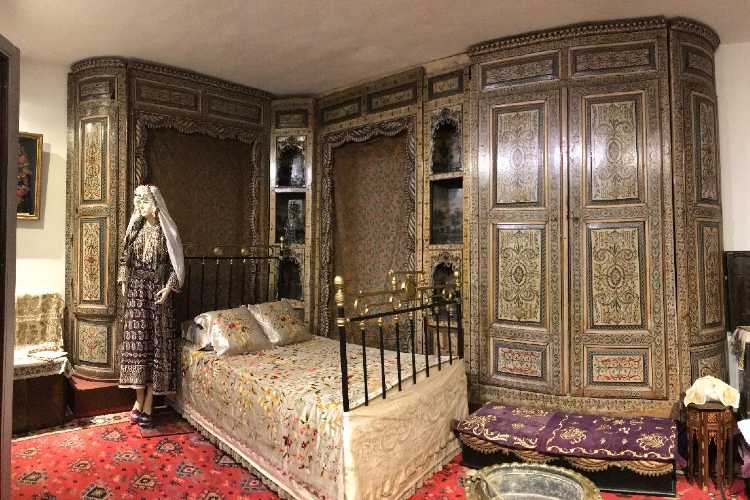
Visitors can admire Edirnekari in many historic sites across Edirne. Key locations include Ottoman-era mosques, restored mansions, and museum collections. Observing these delicate wooden artworks in person provides travelers with a deeper understanding of the city’s artistic and cultural legacy.
Why Edirnekari Still Matters Today
Edirnekari continues to inspire contemporary artisans and art enthusiasts alike. Preserving this craft not only maintains a connection to Edirne’s rich Ottoman past but also promotes cultural tourism, allowing visitors to experience a tradition that is both historic and alive.
FAQ About Edirnekari
Q1: What does Edirnekari mean?
Edirnekari refers to a traditional Ottoman decorative woodcraft developed in Edirne, combining carving, inlay, and hand-painted ornamentation on wooden surfaces. It is a layered artistic tradition rather than a single technique, known for its floral and geometric designs and refined craftsmanship.
Q2: Where can tourists see Edirnekari today?
Examples can be seen in historic mosques, restored mansions, and museum exhibits throughout Edirne.
Q3: Is Edirnekari unique to Edirne?
While similar styles exist, Edirnekari reached its highest artistic refinement in Edirne and is closely associated with the city.
 Türkçe