

Turkey’s roads are long, scenic, and full of surprises — but if you’re a foreign driver, a little preparation goes a long way. From border crossings in Edirne to motorways, tolls, and traffic fines, this guide has everything you need to travel safely and confidently.
(Note: Traffic laws and fines change periodically. Figures below reflect 2026 rates — always double-check with official sources before your trip.)
First Stop: Entering Turkey Through Edirne
If you’re driving from Europe, Edirne is usually your first stop. It’s the gateway city for travelers from Bulgaria and Greece and a logical place to start your road adventure.
“While you wait at Kapıkule, you might plan a quick Edirne city visit — check out our guide to Things to Do in Edirne.”
Main Border Crossings
- Kapıkule (from Bulgaria): Turkey’s largest and busiest crossing. Expect queues on weekends; coffee and snacks can make the wait easier.
- İpsala (from Greece): Smaller and often faster, perfect for quick entry into western Turkey.
- Pazarkule / Karaağaç: Local, less crowded options for smaller vehicles.
Tips:
- Keep your passport, driver’s license, and registration ready.
- Bring green card insurance for your vehicle — mandatory at customs.
- A friendly “Merhaba” to the border officers can go a long way!
Pro tip: Use Google Maps, Yandex, or Waze to check live border wait times.
Navigating Edirne and Beyond
Turkey’s roads are generally well-maintained, but speed limits and driving culture may differ from your home country.
Typical Speed Limits
- Urban areas: 50 km/h
- Two-lane intercity roads: 90 km/h
- Divided highways: 110 km/h
- Motorways: 120–130 km/h (some newer sections allow up to 140 km/h)
Speed cameras are common; fines are issued automatically. Defensive driving is key — locals often weave lanes quickly, and motorcycles may zip through traffic.
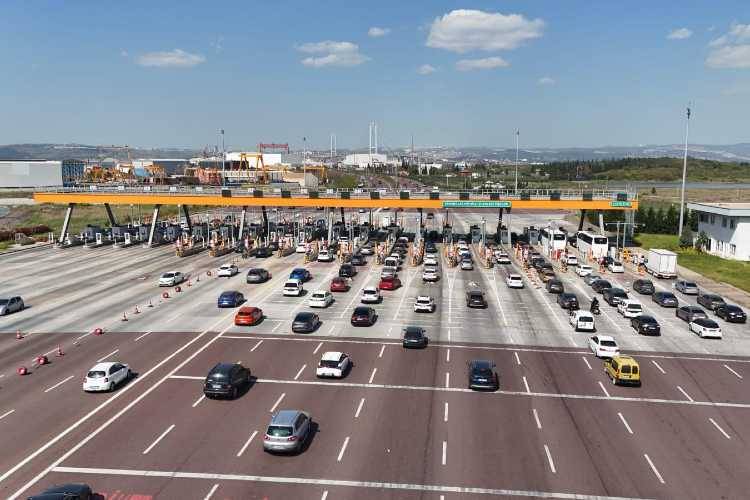
Toll Roads & HGS System
Many highways in Turkey are electronic toll roads (HGS) — a fast pass system that keeps traffic moving.
- Rental cars: Usually come with an HGS tag; tolls are added to your rental bill.
- Private cars: Buy HGS stickers at PTT post offices, select banks, or gas stations. Preload your balance to avoid fines.
Popular toll routes from Edirne:
- E80 / O-3: Edirne → Istanbul
- O-3 / TEM Motorway: Edirne → Tekirdağ → Istanbul
Parking in Turkey
- Paid municipal parking is common in cities; look for İSPARK signs.
- Street parking may require coins or mobile apps.
- Illegally parked cars can be ticketed or towed.
- Hotels often offer private parking, a safer option for visitors.
License & Plate Regulations
Driving License
- A valid foreign driver’s license is sufficient for short-term visits.
- Many rental agencies recommend an International Driving Permit (IDP).
- Long-term residents may need to exchange their license — check residency rules.
APP License Plates
- Foreigners must ensure plates comply with Turkish rules; failure can result in very high fines.
- For step-by-step guidance: APP License Plate Replacement Guide
Traffic Fines in Turkey (2025 → 2026)
Here’s a full table of common fines, updated for 2026.
(Friendly reminder: laws and amounts can change, so always verify locally.)
| Violation | 2025 Fine (TL) | 2026 Fine (TL) |
| Red Light | 2,168 | 5,000 |
| Aggressive Driving (New) | – | 180,000 |
| Speeding 10–30% | 2,168 | 2,719 |
| Speeding 30–50% | 4,512 | 5,662 |
| Social Media While Driving | – | 25,000 |
| U-Turn Violation | 993 | 1,246 |
| Driving Without Vehicle Inspection | 2,168 | 2,719 |
| Vehicle Without Plate | 15,709 | 46,000 |
| Emergency Lane Violation | 9,268 | 11,631 |
| Pedestrian Crossing Violation | 4,512 | 5,662 |
| Improper Parking | 993 | 1,246 |
| Unsafe Driving | 18,678 | 23,439 |
| Drift Violation | 46,393 | 58,217 |
| Fake Plate | 46,393 | 140,000 |
| Improper Overtaking | 2,168 | 2,719 |
| Lane Weaving (Makas Atma) | 46,393 | 58,104 |
| Not Wearing Helmet | 993 | 1,246 |
| Phone While Driving | 2,168 | 2,719 |
Pro Tip: Many fines have a 25% early payment discount, but always check the latest official rules.
Practical Tips for Foreign Drivers
- Keep copies of all important documents.
- Check fuel stations on rural highways — some stretches are sparse.
- Use apps like Google Maps, Waze, or Yandex for traffic and rest stops.
- Defensive driving is essential; local drivers can be fast, but accidents are rare if you stay alert.

Enjoying the Journey
Driving in Turkey is not just transit — it’s part of the adventure. From Edirne’s historic streets to scenic highways toward Istanbul, the Aegean, or Central Anatolia, the roads themselves tell stories. Make stops, take pictures, and enjoy local hospitality along the way.
Remember: this guide is up-to-date for 2026, but traffic laws and fines can change. Always verify before traveling to ensure a safe, smooth, and stress-free road trip.
Perfect — here’s the full 15-question FAQ, ready to copy-paste, fully formatted with H2/H3, bullet points, and internal links placeholders for your site.
FAQ: Driving Across Turkey’s Borders
1. Can foreigners drive in Turkey?
Yes, foreigners can drive in Turkey with a valid international driving permit (IDP) or a license recognized under international conventions. Some rental companies may require an IDP.
Required documents include:
- Passport or national ID
- Driver’s license (and IDP if required)
- Vehicle registration and insurance papers
2. What documents do I need to drive across Turkey’s borders?
You must carry:
- Passport or national ID
- Valid driver’s license (and IDP if required)
- Vehicle registration and insurance papers
- Any border-specific permits if driving a foreign vehicle
3. Are there restrictions for certain vehicles at Turkish borders?
Yes. Commercial vehicles, trucks, and vehicles carrying hazardous materials may have special regulations:
- Customs checks
- Permits
- Weight limits
Personal vehicles usually face fewer restrictions but must comply with insurance and road safety rules.
4. What are the speed limits and road rules near borders?
- 50 km/h in towns
- 90 km/h on rural roads
- 120 km/h on highways
Check traffic signs carefully near border areas, as checkpoints may enforce rules strictly.
5. Are there tolls or fees at Turkish border crossings?
- Most highways near borders have tolls
- Payment can be made via HGS/EZ-GO electronic systems or cash
- Check specific border crossing info to avoid fines
6. Can I use GPS or map apps to navigate border areas?
Yes. GPS and map apps work reliably, but some remote roads may have limited coverage. Carrying offline maps or a paper map is recommended.
7. What should I know about customs checks?
At each border crossing, officers may check:
- Identity documents
- Vehicle registration and insurance
- Goods carried (limits exist for alcohol, tobacco, currency)
Always declare items that require it to avoid fines.
8. Are there opening hours for border crossings?
Most major land borders operate 24/7, but some smaller crossings have restricted hours. Check official border authority websites before travel.
9. What happens if I break traffic rules near a border?
Fines can be steep and sometimes payable on the spot. Common issues:
- Speeding
- Not carrying proper documents
- Parking violations
Follow rules carefully to avoid legal issues or vehicle seizure.
10. Can I drive a rental car across Turkey’s borders?
Some rental agreements allow cross-border travel, but many do not. Always confirm with the rental company and obtain written permission. Insurance coverage may be limited outside Turkey.
11. How long does it take to cross Turkey’s borders by car?
- Popular crossings like Edirne (Kapıkule): 30–90 minutes during peak hours
- Smaller borders: 10–30 minutes
Allow extra time for inspections and traffic.
12. Are there specific safety rules for night driving near borders?
- Use headlights properly and reduce speed
- Watch for pedestrians, animals, and customs/military vehicles
- Some roads are less lit; keep GPS and maps ready
- Follow temporary signs or police instructions
13. Do border checkpoints check for vehicle emission or inspection papers?
- Trucks and commercial vehicles may need inspection certificates or emission compliance papers
- Personal cars are usually exempt unless randomly checked
14. Can I pay tolls with a foreign card near the borders?
- HGS/EZ-GO electronic tolls often accept foreign credit cards
- Cash in Turkish Lira is widely accepted
- Having prepaid HGS or cash ensures smooth passage
15. What languages are used at Turkish border crossings?
- Officially in Turkish
- Major borders often have staff speaking English, Bulgarian, or Greek
- Basic Turkish phrases or translation apps are helpful
Further Reading
Planning to explore more of Turkey by road or visit Edirne? These guides will help you prepare for your journey and make the most of your trip.
 Türkçe