
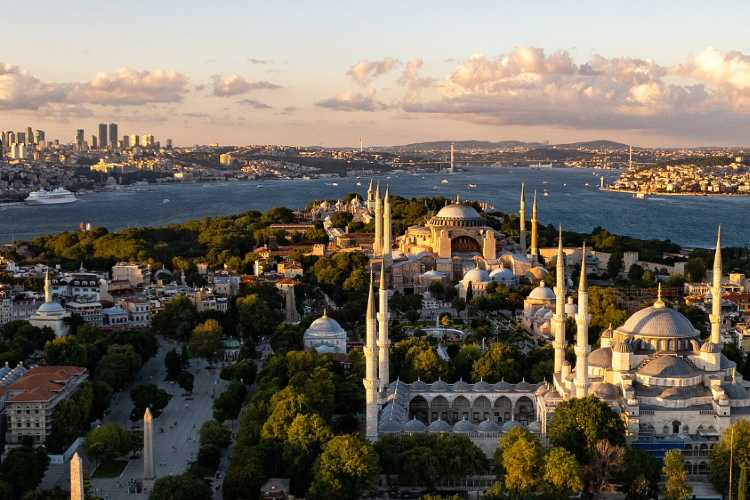
The Ottoman Empire shaped much of the cultural, architectural, and culinary identity of modern-day Turkey. Today, its legacy is still visible across cities such as Bursa, Edirne, and Istanbul, where history blends naturally into everyday life. This page explores that heritage through the places, traditions, and experiences travelers can still encounter today.
The Ottoman Empire was a long-standing imperial state that significantly influenced the political, architectural, and cultural landscape of Southeast Europe, Anatolia, the Middle East, and North Africa.
Origins in Northwestern Anatolia
The Ottoman state emerged in the late 13th century in northwestern Anatolia. In its early development, Bursa played a central role and later became the first major capital of the growing state. From this foundation, the empire gradually expanded and developed a distinct cultural and administrative identity.
The Capital Cities of the Ottoman Era
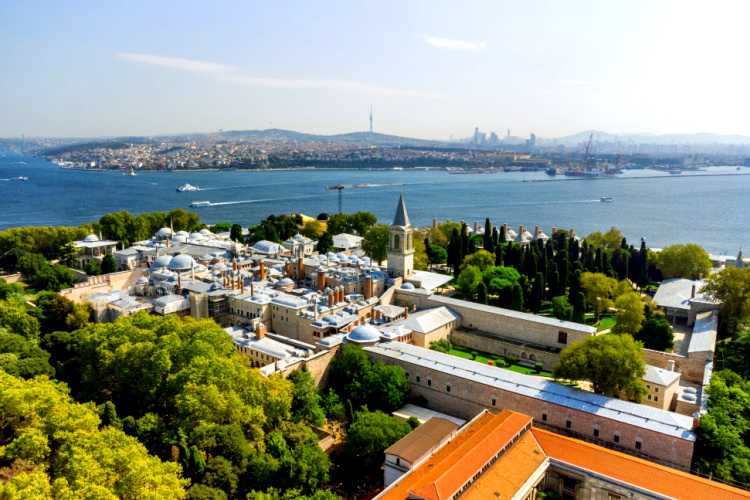
Over time, the Ottoman capital shifted as the empire expanded:
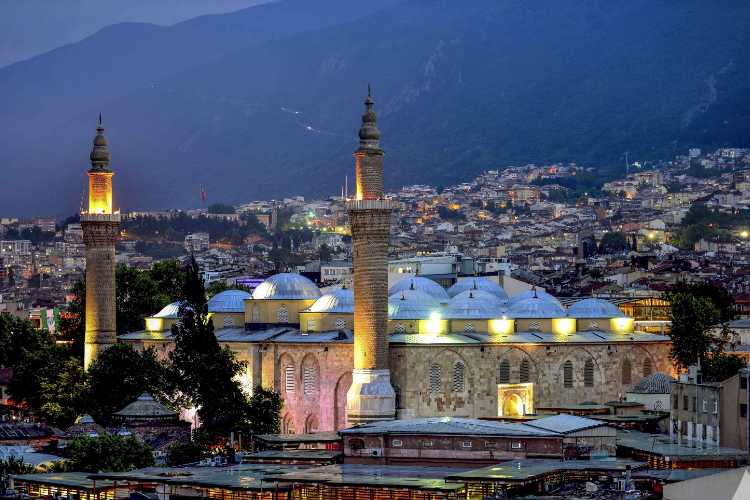
Bursa – The first major capital, where early Ottoman architecture, institutions, and urban identity began to take shape.
Edirne – An important imperial center before Istanbul, known for its refined architecture and strategic location in Thrace.
For a deeper look at Edirne’s role within the Ottoman Empire and its transformation from imperial capital to modern border city, see our detailed guide to The Ottoman Empire and Edirne.
Istanbul – The final and longest-serving capital, becoming the political, cultural, and economic heart of the empire for centuries, and one of the most important cities in Europe and the wider world.
Cultural and Architectural Legacy
The Ottoman period left a lasting imprint that is still visible today. This heritage can be experienced across many parts of Turkey, especially in historical city centers.
Key elements include:
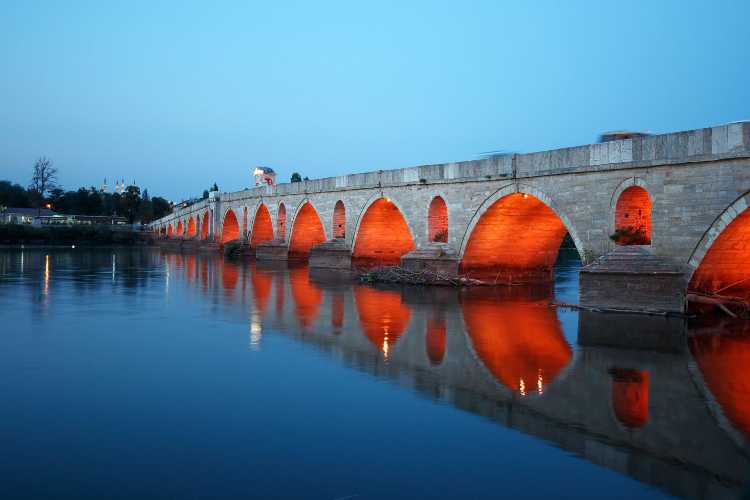
- Architecture – mosques, bridges, bazaars, and külliye complexes
- Urban heritage – historical city cores that remain active and lived-in
- Cuisine – culinary traditions that evolved across the empire and regions
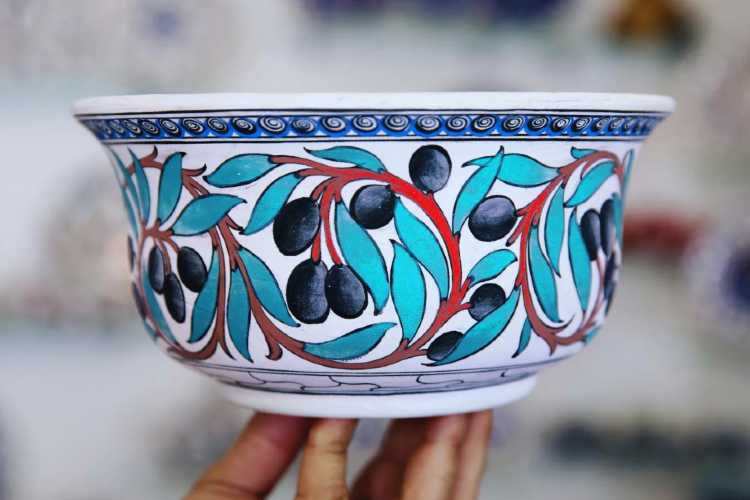
- Craft and trade culture – markets, artisans, and traditional production methods
These elements continue to define the character of many Turkish cities today.

Later Period and Transition
From the 17th century onward, the Ottoman Empire gradually entered a period of administrative and political transformation. Following World War I, the empire came to an end. In 1923, the Republic of Turkey was established under the leadership of Mustafa Kemal Atatürk, following the Turkish War of Independence. This marked the beginning of the modern Turkish state, while many elements of Ottoman heritage continued to shape the country’s cultural and architectural identity.
The Ottoman Legacy Today
For modern travelers, the Ottoman legacy is not confined to museums or monuments. It is present in everyday life—walking through old bazaars, crossing historic bridges, or exploring cities where imperial history is still part of the urban landscape.
Explore the Heritage Cities
This legacy can be experienced directly in several key destinations:
- Bursa – early Ottoman capital and foundation city
- Edirne – refined imperial architecture and bridge city
- Istanbul – long-standing imperial capital and cultural center
Each city reflects a different stage of Ottoman development, offering a layered historical journey across Turkey.
 Türkçe