
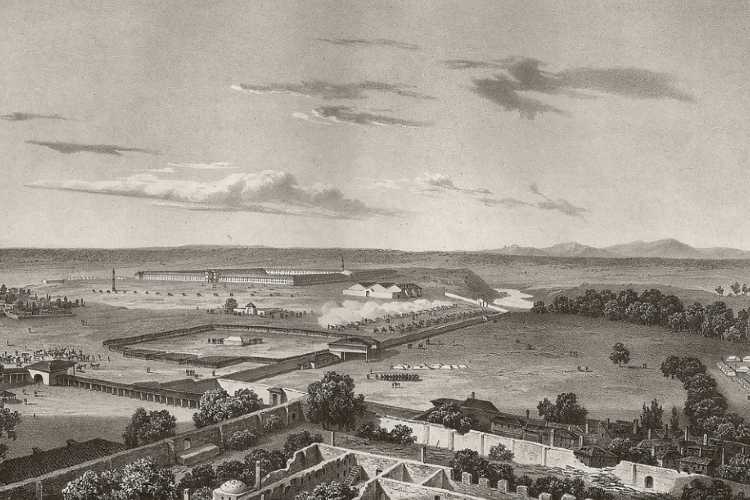
Long before Topkapı Palace became the symbolic seat of Ottoman power in Istanbul, another magnificent imperial residence stood at the heart of the empire. Edirne Palace served Ottoman sultans for generations, witnessed major political decisions, welcomed foreign ambassadors, and reflected the growing strength of an empire that would shape world history.
Although much of the palace was lost through wars, fires, earthquakes, and centuries of neglect, Edirne Palace remains one of Turkey’s most important archaeological and restoration projects. Today, excavations and reconstruction efforts are gradually revealing the scale of a royal complex that once ranked among the Ottoman Empire’s greatest architectural achievements.
For visitors exploring Edirne, the palace offers more than historic ruins—it tells the story of a city that once stood at the centre of Ottoman political life.
What Is Edirne Palace?
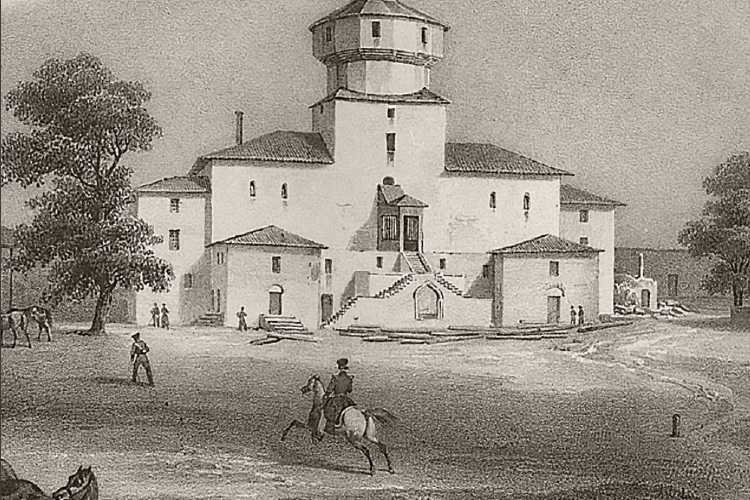
Edirne Palace (Saray-ı Cedid-i Âmire), also known as the New Imperial Palace, was one of the principal residences of the Ottoman sultans. Construction began in 1450 during the reign of Sultan Murad II and continued under Sultan Mehmed II (Fatih Sultan Mehmet), who expanded the complex after the conquest of Constantinople.
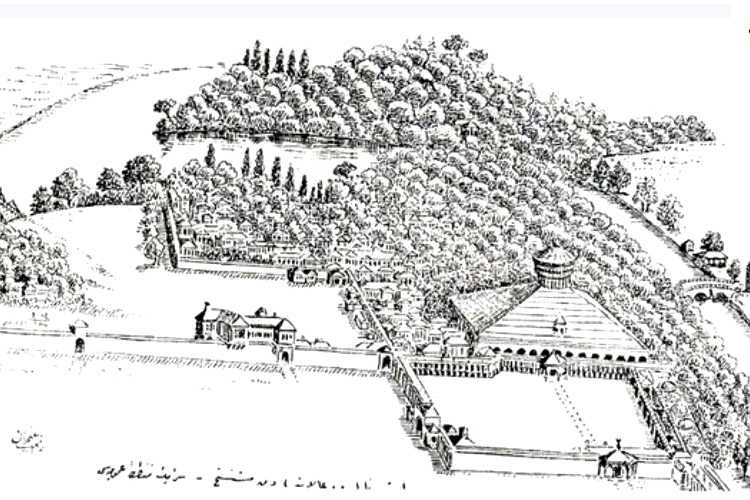
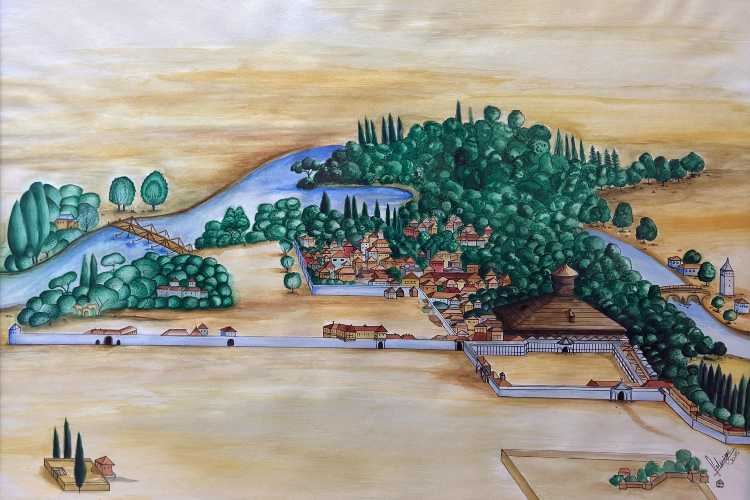
Rather than a single building, Edirne Palace was an enormous royal complex spread across the banks of the Tunca River. It included ceremonial halls, royal apartments, audience chambers, pavilions, baths, kitchens, gardens, bridges, libraries, courtyards, service buildings, and administrative offices, functioning almost as a self-contained imperial city.
A Palace at the Heart of the Ottoman Empire
Before Istanbul became the permanent capital, Edirne served as the political centre of the Ottoman state. For approximately ninety-two years, the palace played a central role in imperial administration, diplomacy, and military planning.
Even after the court moved to Istanbul, Ottoman sultans continued to spend long periods in Edirne. The palace remained an important royal residence where rulers prepared military campaigns, held official ceremonies, entertained foreign envoys, and enjoyed the famous hunting grounds surrounding the city.
Its continued use over several centuries reflects Edirne’s lasting importance within the Ottoman world.
An Architectural Masterpiece That Influenced Topkapı Palace
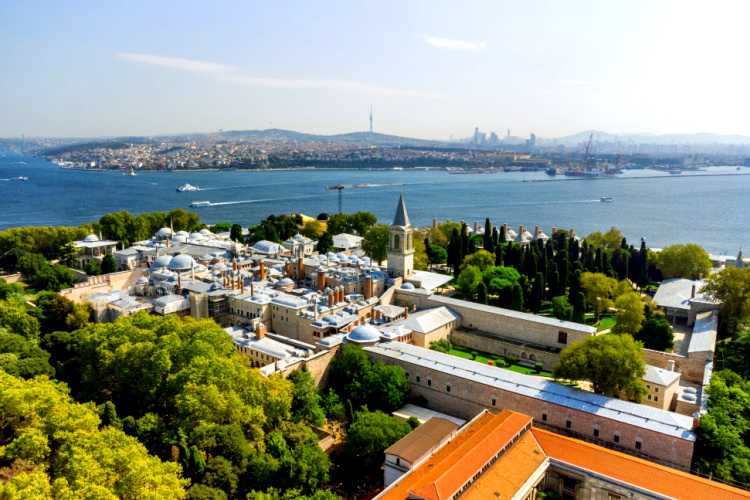
Many historians believe that Edirne Palace influenced the development of Topkapı Palace in Istanbul.
Both palace complexes were designed around multiple courtyards that separated public, ceremonial, and private spaces. Gardens, water features, audience halls, residential quarters, and administrative buildings were carefully integrated into a unified architectural plan that balanced imperial authority with daily court life.
While Topkapı Palace later became the empire’s best-known royal residence, Edirne Palace represents an earlier stage in the evolution of Ottoman palace architecture and is widely regarded as one of its most significant achievements.
Notable Structures Within the Palace
At its height, the palace complex contained dozens of remarkable buildings, many of which served specialised ceremonial or residential functions.
Among its best-known structures were:
- Cihannüma Pavilion
- Arz Odası (Audience Chamber)
- Adalet Kasrı (Justice Pavilion)
- Kum Kasrı
- Imperial baths
- Palace kitchens
- Treasury buildings
- Royal gardens
- Bridges and waterways
One of the most celebrated buildings was the Cihannüma Pavilion, a multi-storey residence offering commanding views across the surrounding landscape. Historical accounts describe it as one of the architectural highlights of the palace, and its reconstruction is now one of the centrepieces of the ongoing restoration project.
During the reign of Sultan Suleiman the Magnificent, the renowned Ottoman architect Mimar Sinan also contributed to improvements within the palace grounds. His engineering works enhanced the water supply and landscape design, further increasing the beauty and functionality of the imperial residence.
From Imperial Residence to Archaeological Treasure
Centuries of natural disasters and warfare gradually transformed the palace.
Earthquakes, fires, military conflicts, and periods of occupation caused extensive destruction. By the nineteenth century, much of the once-vast complex had disappeared, leaving only a handful of important structures standing.
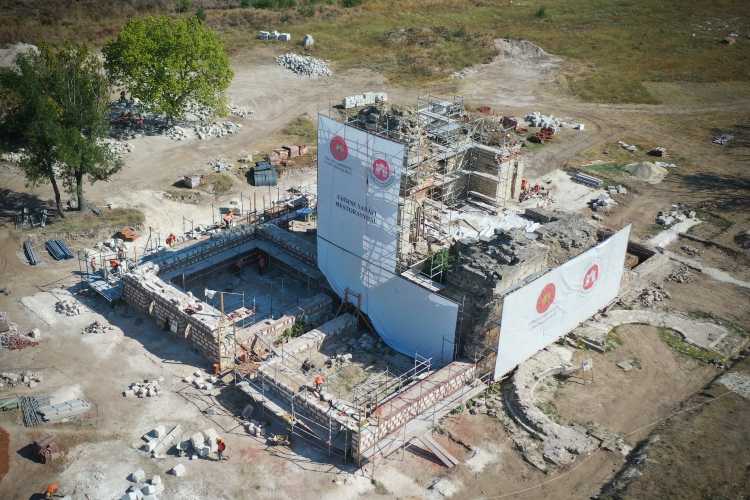
Despite these losses, archaeological excavations have revealed foundations, walls, architectural fragments, ceramics, and other artefacts that continue to improve historians’ understanding of the palace’s original design.
Each excavation season uncovers new evidence about one of the Ottoman Empire’s greatest royal residences.
Restoration Bringing the Palace Back to Life
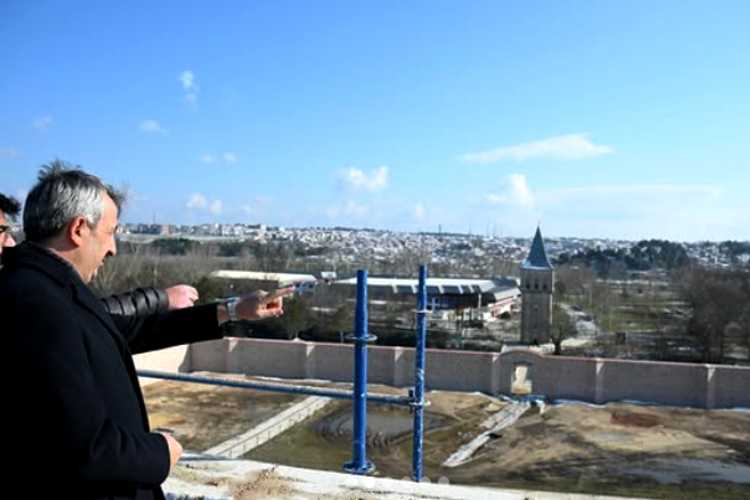
Today, Edirne Palace is the focus of one of Turkey’s largest Ottoman palace restoration projects.
Under the coordination of the National Palaces Directorate, specialists are restoring important sections of the complex, including the Cihannüma Pavilion, the Audience Chamber (Arz Odası), Kum Kasrı Hammam, sections of the courtyard walls, and other structures identified during archaeological research.
The project aims not only to preserve surviving remains but also to help visitors better understand the scale, appearance, and historical importance of the palace.
As restoration progresses, Edirne Palace is expected to become one of the city’s leading cultural attractions alongside Selimiye Mosque and the Sultan II Bayezid Complex.
A Timeline of Edirne Palace
1450 – Construction begins under Sultan Murad II.
1453 onwards – Sultan Mehmed II expands the palace after the conquest of Constantinople.
16th century – Additional buildings and improvements are added during the classical Ottoman period, including works associated with Mimar Sinan.
18th–19th centuries – Earthquakes, fires, wars, and occupations lead to extensive destruction.
2010 – Modern archaeological excavations and major restoration work begin.
Today – Restoration continues while new historical discoveries contribute to a better understanding of the palace.
Historical Discoveries Continue
Research into Edirne Palace extends well beyond archaeological excavations.
Ottoman documents, European travel accounts, historical maps, and rare engravings continue to provide valuable information about the palace’s original appearance. One recent discovery in the Zurich archives has attracted particular attention after researchers identified a detailed historic engraving that may help clarify the layout of structures no longer standing.
Such discoveries demonstrate that the story of Edirne Palace is still being written, with new evidence emerging from archives and collections around the world.
Visiting Edirne Palace
Although restoration remains ongoing, visitors can already explore parts of the archaeological site and observe conservation work in progress.
A visit offers an opportunity to appreciate not only the surviving buildings but also the immense scale of a palace that once served as the political heart of the Ottoman Empire. Combined with Edirne’s mosques, museums, bridges, and historic streets, the palace forms an essential part of any visit to the city.
Why Edirne Palace Still Matters
Edirne Palace is more than an archaeological site.
It represents a crucial chapter in Ottoman history, demonstrating how architecture, politics, engineering, and artistic achievement came together in one extraordinary royal complex.
As restoration and research continue, the palace is gradually reclaiming its place among Turkey’s most important historical monuments, allowing visitors and future generations to rediscover one of the Ottoman Empire’s greatest architectural legacies.
Frequently Asked Questions
What is Edirne Palace?
Edirne Palace is a fifteenth-century Ottoman imperial palace complex built by Sultan Murad II and expanded by Sultan Mehmed II. It served as one of the Ottoman Empire’s principal royal residences.
Why is Edirne Palace important?
The palace played a central role in Ottoman political, ceremonial, and administrative life for centuries and is considered one of the empire’s most significant palace complexes.
Did Edirne Palace inspire Topkapı Palace?
Many historians believe that aspects of Edirne Palace’s planning and architectural layout influenced the later development of Topkapı Palace in Istanbul.
What can visitors see today?
Visitors can explore surviving palace structures, archaeological remains, and restoration work while learning about the history of one of the Ottoman Empire’s most important royal residences.
Is Edirne Palace still being restored?
Yes. Extensive archaeological excavation and restoration projects continue to reconstruct and preserve important sections of the palace for future generations.
 Türkçe