

Hardly any other city in Turkey offers such a combination of archaeology, historical architecture, and a centuries-old Ottoman medical complex far ahead of its time as Edirne does.
A City That Feels Like a Journey Through Time
Edirne is not a city where history is separated into distant layers or confined to museums alone. Instead, it offers a kind of journey through time, where different historical periods remain physically present within the same urban experience. Moving through the city means passing naturally between ancient archaeological traces, monumental Ottoman architecture, and a uniquely preserved medical institution that reflects a highly developed scientific understanding of its era.
Archaeological Depth Beneath the Present City
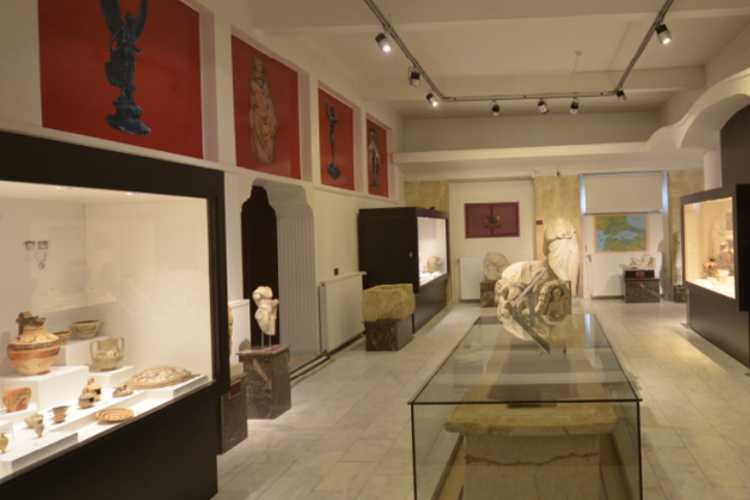
Long before Edirne became an Ottoman capital, the region was shaped by Thracian, Roman, and Byzantine civilizations. These layers form the deeper historical foundation of the city, still present in the material remains and artifacts discovered in the region.
This archaeological continuity is not abstract or distant. It is preserved through excavated objects, burial finds, ceramics, and historical materials that reflect the long and uninterrupted human presence in this landscape. The Edirne Archaeology Museum brings these layers together, allowing visitors to read the city’s ancient past as part of a continuous historical sequence rather than isolated moments.
Ottoman Capital Identity and the Selimiye Peak
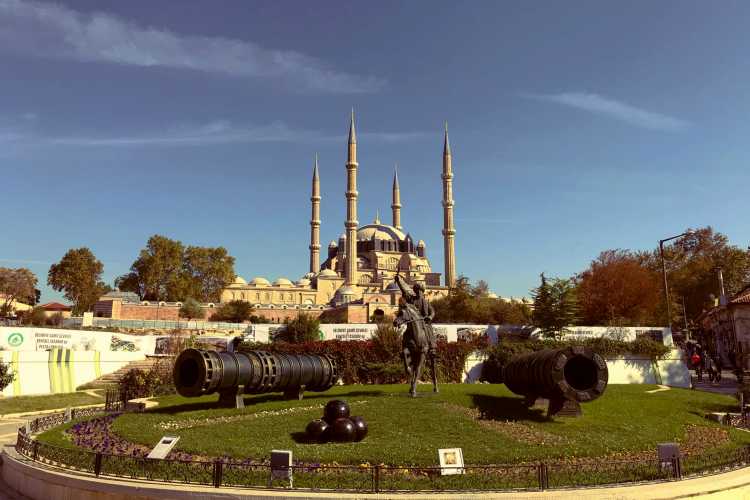
Edirne’s most visible historical identity comes from its role as a former Ottoman capital. This period shaped the city into a structured imperial environment where architecture, infrastructure, and public life were carefully organized within a coherent urban system.
At the center of this architectural landscape stands Selimiye Mosque. Designed by Mimar Sinan, it represents one of the highest achievements of Ottoman architecture, where engineering precision, spatial clarity, and symbolic design converge into a single monumental expression. It is both a religious structure and an architectural statement of exceptional ambition.
The Health Museum and the Ottoman Medical System
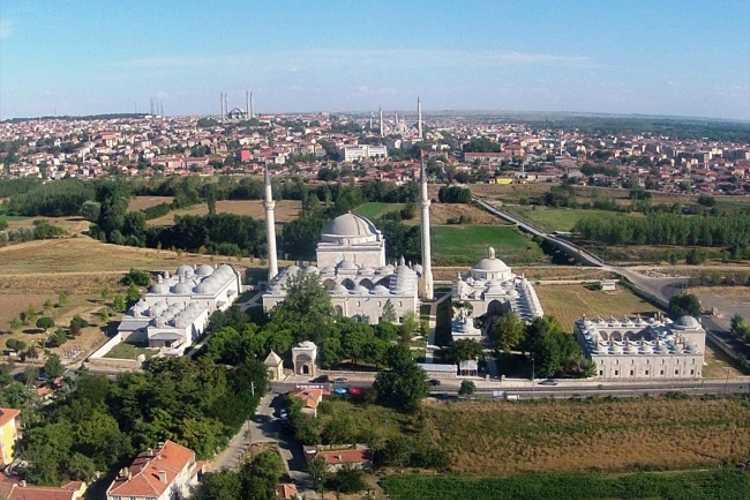
One of the most distinctive elements of Edirne, however, is the Sultan Bayezid II Complex, known today as the Health Museum. Built in the late 15th century, it functioned as both a hospital and a center for medical education, making it one of the most advanced institutional medical environments of its time — a feature that can only be experienced in Edirne.
While historical medical institutions exist in many places, the Ottoman medical system preserved here is uniquely complete in its spatial and institutional form. Healing was not limited to treatment alone but was structured through an integrated environment that included architecture, sound, water, and sensory design. This reflects a highly organized understanding of medicine as a system rather than an isolated practice.

The complex still preserves this logic in its physical structure today, allowing visitors to understand how medical science was embedded directly into architectural space.
Bridges and Spatial Continuity
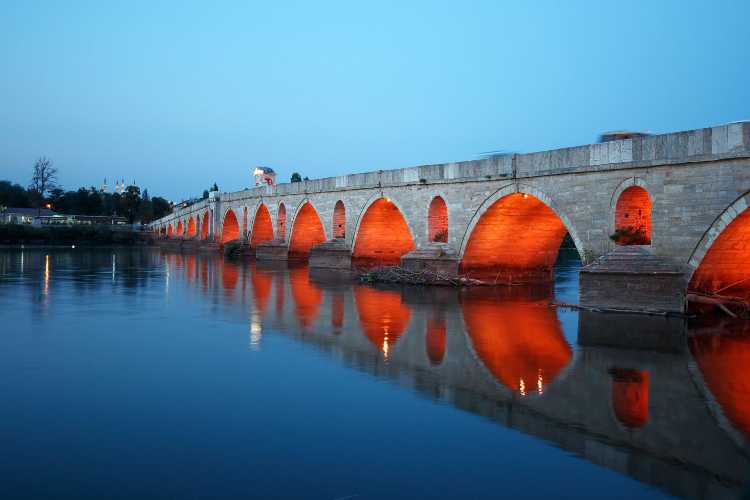
Edirne’s historical bridges over the Meriç and Tunca rivers extend this layered identity beyond individual monuments. These structures are not only functional infrastructure, but also part of the city’s broader architectural logic.
They connect different parts of the urban landscape while reinforcing the continuity between movement, space, and history. In this way, they contribute to Edirne’s identity as a connected historical environment rather than a collection of separate sites.
A Unified Historical Experience
What makes Edirne truly distinctive is not only the presence of archaeology, architecture, and medical heritage, but the way these elements remain physically and spatially connected within a single urban landscape.
Few cities allow history to be experienced so directly through everyday movement. In Edirne, the past is not fragmented or distant. It is embedded in stone, structure, and space, creating a rare continuity between ancient civilizations, imperial power, and scientific thought.
Edirne is, in this sense, a place where history does not remain confined to the past. It remains readable in the present, offering a layered journey through time that can still be experienced today.
FAQ
What makes Edirne historically unique in Turkey?
Edirne combines archaeological depth, Ottoman imperial architecture, and one of the most advanced historical medical institutions preserved in its original spatial form.
What is the Health Museum in Edirne?
It is the Sultan Bayezid II Complex, a 15th-century Ottoman hospital and medical education center, now preserved as a museum.
Why is Selimiye Mosque important?
It is considered one of the highest achievements of Ottoman architecture, designed by Mimar Sinan, representing structural and aesthetic mastery.
Can all three sites be visited easily in one trip?
Yes. They are located within Edirne’s compact historical core and can be visited as part of a single walking route.
Further Reading in Edirne
 Türkçe