
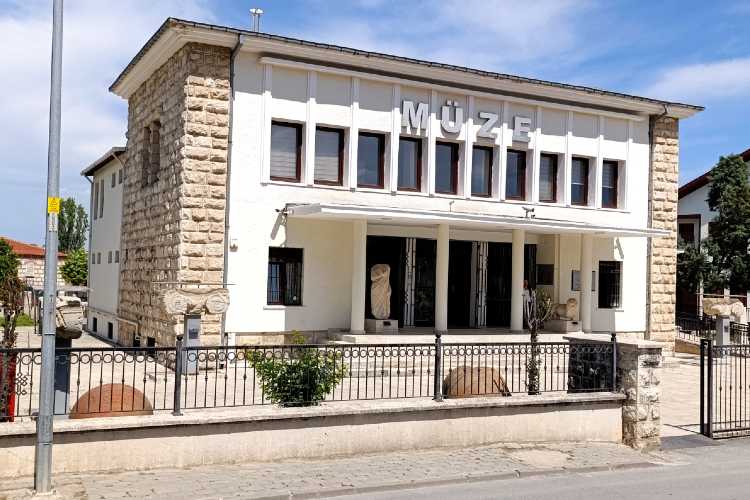
When people think of Edirne, the first image that usually comes to mind is the magnificent Selimiye Mosque and the city’s Ottoman heritage. However, Edirne’s story began thousands of years before the Ottoman era.
Located beside the Selimiye Mosque complex, the Edirne Archaeology Museum offers a journey into the city’s much older past, revealing the civilizations that shaped this region from ancient Thrace to the Roman, Byzantine and Ottoman periods. Its collections show that Edirne has always been a crossroads of cultures, trade routes and empires.
For visitors exploring the historic centre, this small but fascinating museum provides an important missing piece of the city’s identity.
Where Is Edirne Archaeology Museum?
The Edirne Archaeology Museum is located in the heart of the city, just behind the Selimiye Mosque. Thanks to its central location, it is easy to include in a walking route covering Edirne’s most important historic attractions.
After visiting Selimiye Mosque, the Old Mosque, Üç Şerefeli Mosque, the Health Museum of the Sultan II Bayezid Complex and the surrounding historic streets, the museum offers a chance to discover the earlier layers of Edirne’s history.
A Museum Telling the Story of Ancient Edirne
The museum first opened in 1925 inside a section of the Selimiye complex. As the collection expanded, it moved to its current building in 1971, allowing more archaeological discoveries from the region to be displayed.
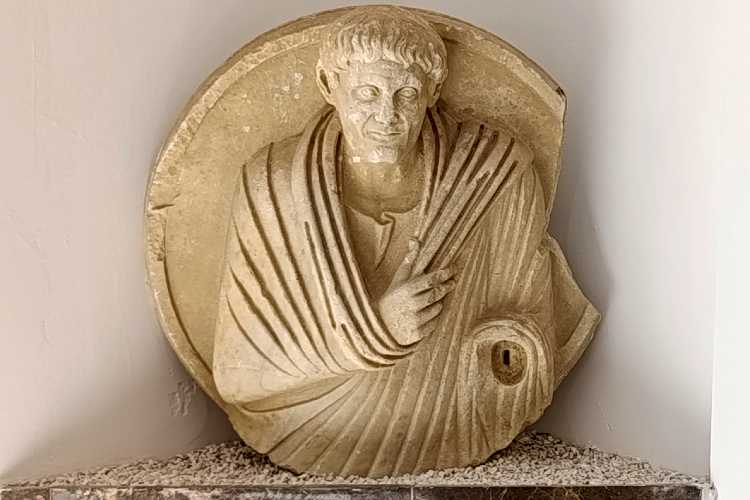
The museum’s importance comes from the history of the land itself. Modern Edirne stands on the site of ancient Hadrianopolis, a major Roman city named after Emperor Hadrian. Long before Rome arrived, the region was home to Thracian communities whose culture and traditions left behind remarkable archaeological remains.
Today, the museum preserves artefacts that tell the story of these different periods and the people who lived here.
What to See Inside Edirne Archaeology Museum
Although the museum is not large, its collection is rich and carefully selected. Visitors can explore objects from different civilizations that once flourished in the region.
Thracian Heritage
One of the most interesting sections focuses on Thracian culture. Jewellery, burial objects and archaeological discoveries reveal the traditions and beliefs of the ancient communities that lived in this region before Roman rule.
These artefacts are especially valuable because they show that Edirne’s history goes far beyond its Ottoman identity.
Roman Treasures from Hadrianopolis
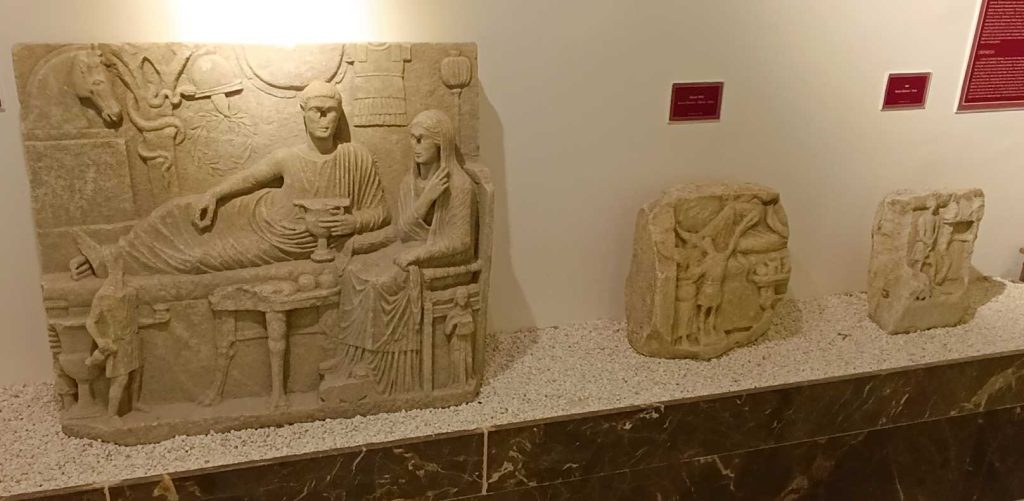
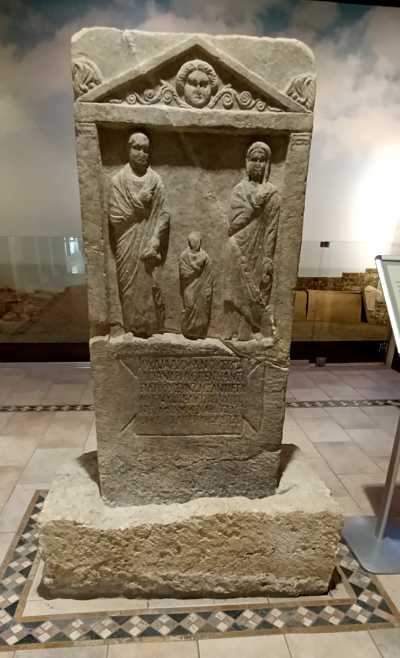
During the Roman period, Edirne became the important city of Hadrianopolis. The museum displays remains connected with Roman life, including sculptures, architectural pieces, coins and burial artefacts.
These exhibits provide a glimpse into the daily life, artistic traditions and religious practices of one of the most important ancient cities in Thrace.
Byzantine and Later Period Collections
The museum also includes artefacts from the Byzantine period, reflecting Edirne’s continued importance as a strategic settlement between Europe and Asia.
Glass objects, ceramics, coins and other archaeological finds demonstrate the long history of cultural exchange in the region.
The Open-Air Museum Garden
One of the highlights of a visit is the museum garden, where large stone artefacts are displayed outdoors.
Here visitors can see impressive examples of ancient stonework, including sarcophagi, architectural fragments and archaeological remains that are difficult to appreciate fully inside a building.
The garden provides a quiet and atmospheric space where the connection between Edirne and its ancient past becomes more visible.
Visiting Edirne Archaeology Museum
The museum is easy to visit during a day trip or city walking tour.
Opening Hours:
- Open: 09:00
- Closed: Mondays
- Closing time: 17:00
Photography is generally allowed without flash. MuseumPass is accepted, and visitors should check current entrance information before travelling as opening times and fees may change.
Why Add the Archaeology Museum to Your Edirne Itinerary?
Many visitors come to Edirne for Ottoman architecture, especially the UNESCO-listed Selimiye Mosque. However, understanding the city’s earlier history makes the experience much richer.
The Archaeology Museum shows that Edirne is not only an Ottoman capital but also an ancient settlement shaped by Thracians, Romans and Byzantines.
A visit takes less than an hour, but it adds important historical depth to your understanding of the city.
Frequently Asked Questions
Is Edirne Archaeology Museum near Selimiye Mosque?
Yes. The museum is located directly behind Selimiye Mosque and can easily be visited as part of a historic city walking route.
How long does it take to visit Edirne Archaeology Museum?
Most visitors can explore the museum in around 30–60 minutes, depending on their interest in archaeology and history.
What periods are represented in the museum?
The museum features artefacts from the Thracian, Roman, Byzantine and later historical periods of the Edirne region.
Is Edirne Archaeology Museum suitable for families?
Yes. The museum and its outdoor garden are suitable for families and provide an easy introduction to history for younger visitors.
Is the museum worth visiting if I only have one day in Edirne?
Yes. While Selimiye Mosque remains the city’s main attraction, the Archaeology Museum helps visitors understand the thousands of years of history behind modern Edirne.
Further Reading
- Selimiye Mosque: The Masterpiece of Ottoman Architecture in Edirne
- Edirne History: From Ancient Hadrianopolis to Ottoman Capital
- Edirne Old City Walking Route
- Things to Do in Edirne
- Edirne Guide
 Türkçe