
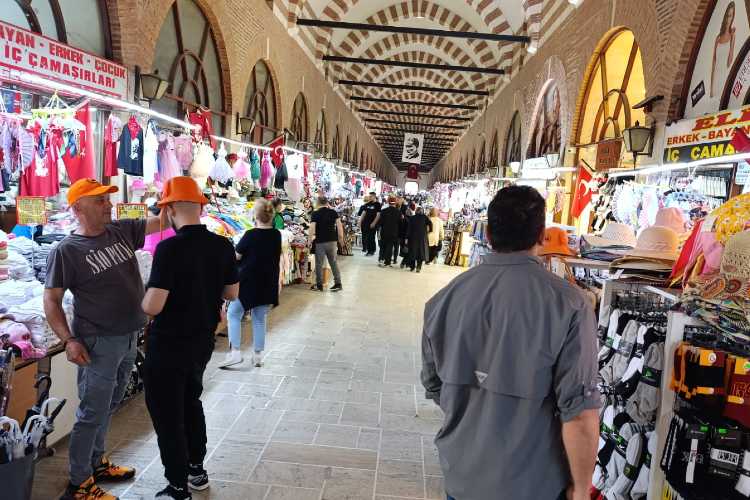
Ali Paşa Bazaar is one of the most important surviving Ottoman marketplaces in Edirne and a rare example of a historical structure that still functions as a living commercial space. Located in the city’s historic center, it was commissioned in the 16th century by Grand Vizier Semiz Ali Pasha and designed by the imperial architect Mimar Sinan.
Unlike many preserved heritage sites, the bazaar continues its original role today. Visitors can walk through its covered corridor, explore small shops, and experience an authentic part of Edirne’s everyday urban life.
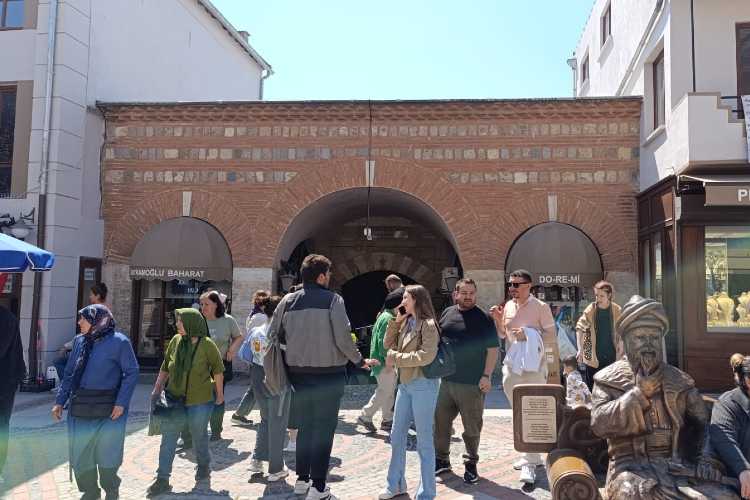
Visitor Information
Location: Historic city center of Edirne
Admission: Free
Opening Hours:
Most shops are generally open daily
Typical hours: 09:00 – 19:00
Some shops may remain open until around 20:00
Hours may vary depending on season, holidays, and individual shop owners
Best Time to Visit: Morning or early afternoon
Time Needed: 20–45 minutes
Accessibility: Easy pedestrian access within the historic center
Historical Background
Ali Paşa Bazaar was built during a period when Edirne remained one of the key cities of the Ottoman Empire. Although Istanbul had become the capital, Edirne continued to play an important political and commercial role due to its position on major trade routes connecting Anatolia, the Balkans, and Central Europe.
The bazaar was commissioned by Semiz Ali Pasha, a powerful 16th-century Ottoman grand vizier, and designed by Mimar Sinan, the empire’s chief architect.
It formed part of the Ottoman külliye system, where commercial buildings generated income to support religious and charitable foundations such as mosques and schools. This made the bazaar not only a marketplace but also part of a broader economic and social structure.
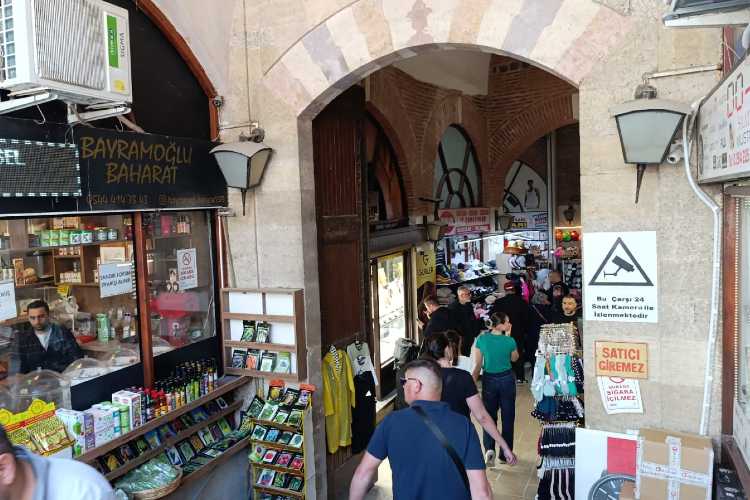
Architecture and Structure
The bazaar is designed as a long covered corridor lined with shops on both sides. Its structure is defined by repeating arches, stone construction, and vaulted ceilings that create a continuous indoor street atmosphere.
This covered design protected merchants and customers from weather conditions and allowed trade to continue year-round. It also created a secure and organized commercial environment typical of Ottoman urban planning.
Today, around 120–130 shops operate inside the bazaar. While individual businesses have changed over time, the architectural structure remains largely intact, preserving its original character.
Walking through the bazaar offers a direct sense of continuity between past and present urban life.
Shopping Experience Today
Ali Paşa Bazaar is one of the most active shopping areas in Edirne’s historic district and is used by both locals and visitors.
Inside the bazaar, visitors will find a mix of everyday retail and tourist-oriented shops. Typical products include textiles, sweets, souvenirs, small household items, and locally themed gifts.
The presence of both local customers and tourists keeps the bazaar functioning as a real part of the city rather than a purely decorative historical site.
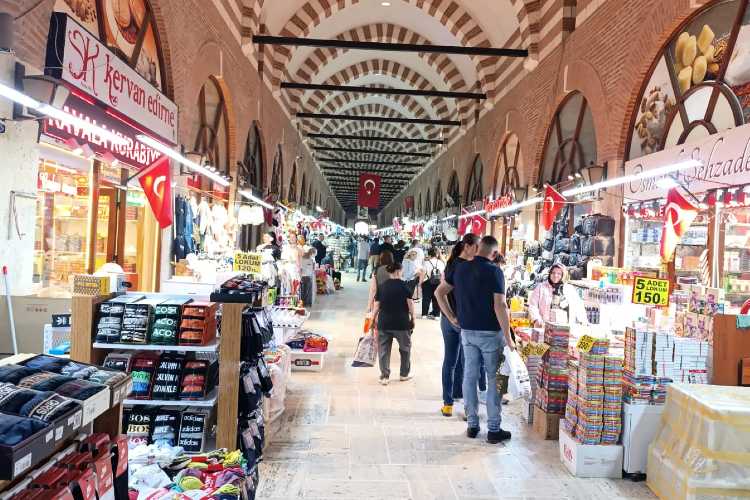
What to Buy in Ali Paşa Bazaar
Ali Paşa Bazaar is especially known for small, portable items that reflect Turkish and Edirne culture.
Popular purchases include:
- Turkish delight and confectionery
- Tea sets and glassware
- Decorative ceramics
- Scarves and textiles
- Handmade souvenirs
- Edirne-themed gifts
- Small decorative items
Because product selection varies between shops, visitors are encouraged to walk the full length of the bazaar before buying.
Location in the Historic Center
The bazaar is centrally located within Edirne’s historic district and is easy to include in a walking route.
Nearby landmarks include:
Its location makes it a natural stop while exploring the city’s Ottoman heritage zone.
A Living Part of Edirne’s Market Tradition
Edirne has long been a city of trade and cultural exchange. Ali Paşa Bazaar represents one of the strongest continuations of this tradition.
Alongside other historical and modern markets such as Selimiye Arasta, Bedesten, the Saturday Market, and the Balkan Market, it forms part of a layered commercial system that has existed for centuries.
Although products and visitors have changed over time, the essential function remains the same: a place where commerce and daily life meet.
Why Visit Ali Paşa Bazaar
Ali Paşa Bazaar is not just a historical monument. It is a functioning marketplace that combines architecture, history, and everyday urban life in a single space.
Visitors come here for shopping, photography, atmosphere, and to experience a preserved Ottoman-era commercial environment that is still active today.
It remains one of the most characteristic and authentic places in Edirne’s historic center.
Frequently Asked Questions
Is Ali Paşa Bazaar free to enter
Yes, entry is free and open to the public
What are the opening hours of Ali Paşa Bazaar
Most shops are generally open daily between approximately 09:00 and 19:00, with some open until around 20:00. Hours may vary by shop and season
Is Ali Paşa Bazaar open on Sundays
Yes, many shops are open on Sundays, though individual schedules may vary
How long does it take to visit Ali Paşa Bazaar
Most visitors spend 20 to 45 minutes exploring the bazaar
What can you buy in Ali Paşa Bazaar
Souvenirs, textiles, sweets, ceramics, gifts, and small household items
Further Reading
Historical Bazaars of Edirne
History of Edirne
Ottoman heritage in Edirne
Saturday Market (Cumartesi Pazarı)
Balkan Market
Things to do in Edirne
 Türkçe