
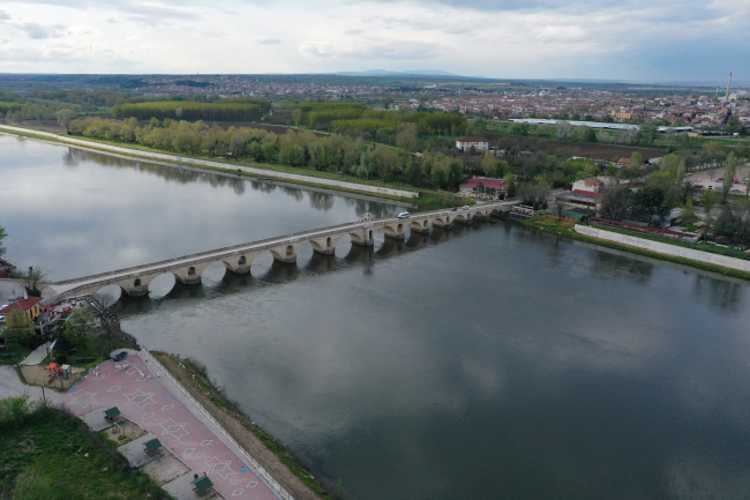
Bilecik, Bursa, Edirne, and Istanbul form a cultural route that traces the evolution of the Ottoman Empire from its origins to its imperial peak. This concept brings together the former capitals into a single travel narrative focused on history, architecture, and cultural discovery.
Officials at the Provincial Directorate of Culture and Tourism in Edirne unveiled plans for a groundbreaking project under the title “CAPITALS MEET”, seamlessly integrating cities that once stood as glorious Ottoman capitals into a new tourism narrative.
Asserting Edirne’s esteemed position as a key Ottoman capital, officials also emphasized their commitment to elevate the Ottoman identity, steering the course toward a new tourism aspiration.
Ottoman Capitals: A Journey Reflecting the Essence of the Empire
Focusing on the spirit of the Ottoman Empire, they highlighted the project’s overarching objective: to foster a deeper understanding and appreciation of Ottoman history and shared following.
The goal of this route is to bring together key Ottoman capitals into a single cultural journey, allowing visitors to experience how each city contributed to the development of the empire. From its origins in Bilecik to its expansion in Bursa and Edirne, and finally its imperial peak in Istanbul, the route presents a continuous historical narrative shaped by architecture, culture, and urban identity.
Edirne: Conqueror of the Balkans
Edirne holds a central place in this route as the Ottoman Empire’s former European capital. Positioned strategically in Thrace, it played a key role in the empire’s expansion into the Balkans and in the period leading up to the conquest of Istanbul. Even after the capital was moved to Istanbul, Edirne continued to function as an important regional city within the Ottoman administrative system, maintaining its military and cultural significance in the European territories of the empire.
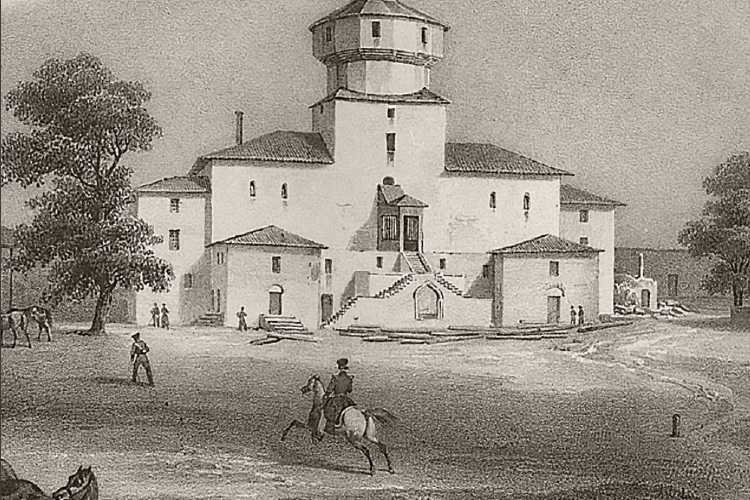
Edirne continued to play an important role within the Ottoman administrative system even after the capital moved to Istanbul. Its strategic position in Thrace ensured its ongoing military and cultural significance, and it remained closely connected to imperial developments in the following centuries.
In Edirne visitors can explore following and much more;
- Selimiye Mosque – Mimar Sinan’s architectural masterpiece and a UNESCO World Heritage site.
- Saraçlar Street – historic thoroughfare bustling with markets, shops, and Ottoman-era architecture.
- Edirne Palace (Sarayiçi) – currently undergoing excavation and restoration to become a living tourism destination.
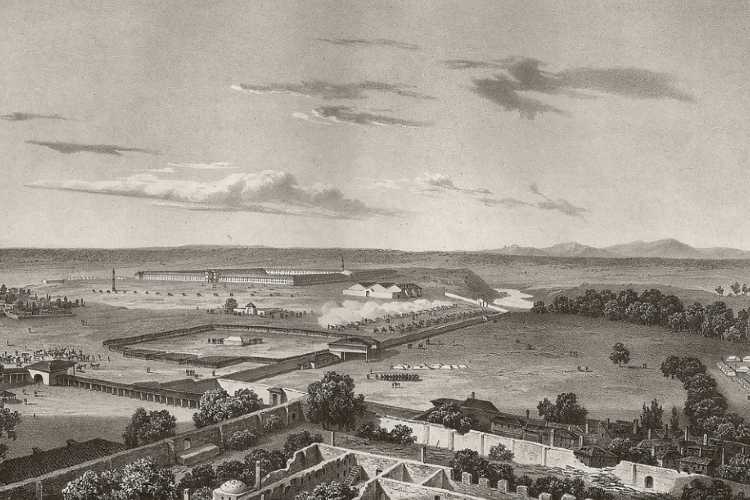
This city offers more than historical monuments; travelers can experience local cuisine, vibrant markets, and authentic Edirne culture, before continuing south along the Ottoman Capitals Route.
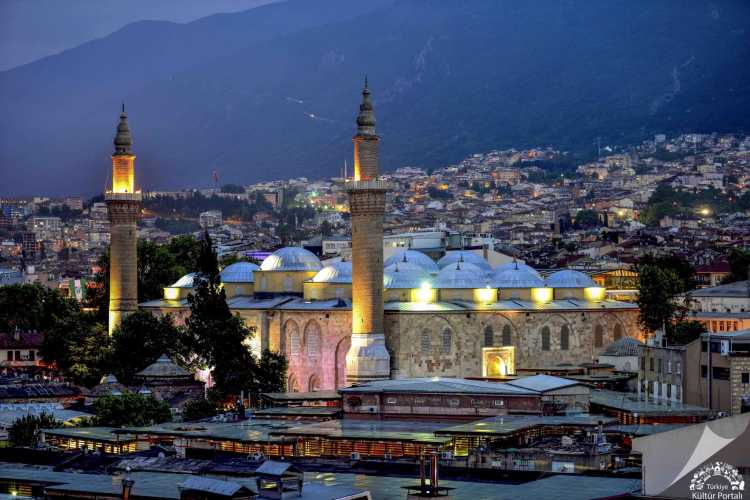
Connecting the Capitals
Edirne serves as a gateway city, linking the Ottoman capitals in a coherent travel route:
- Bilecik – explore the origins of the Ottomans
- Bursa – the first imperial capital, rich in architecture, markets, and natural beauty.
- Edirne – the cultural and strategic hub, explored here.
- Istanbul – the imperial capital, the zenith of the empire’s achievements.
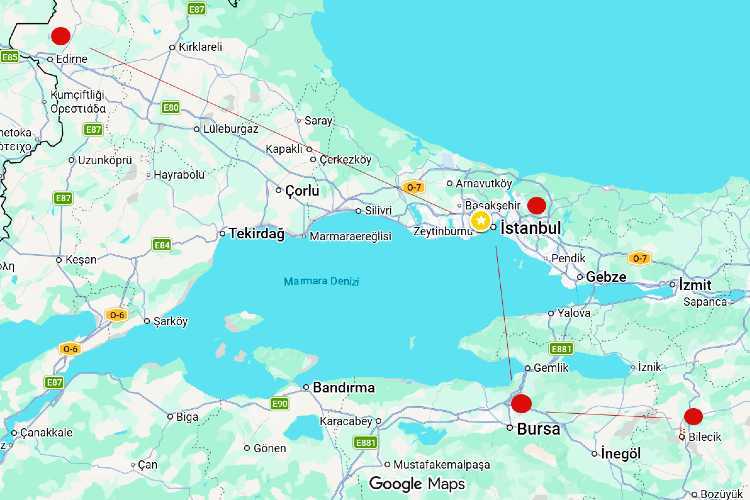
This route is designed to provide travelers with a holistic understanding of Ottoman civilization, from its foundation to imperial greatness.
Why Follow the Ottoman Capitals Route
This initiative highlights cities beyond Turkey’s typical sun-and-sea destinations, focusing on culture, history, and authentic travel experiences. Travelers gain:
- A deep connection with Ottoman heritage
- Insight into architecture, urban planning, and artistry
- Immersion in local markets and culinary traditions
- Context for understanding the empire’s development from Bilecik to Istanbul
Edirne anchors this journey, setting the stage for Bursa, Iznik, and Istanbul, creating a continuous narrative for travelers seeking cultural discovery.

Further Reading
Ottoman Empire and Edirne
History of Edirne
Edirne Travel Guide
Selimiye Mosque
Karaağaç District
Meriç (Maritza) River
 Türkçe