
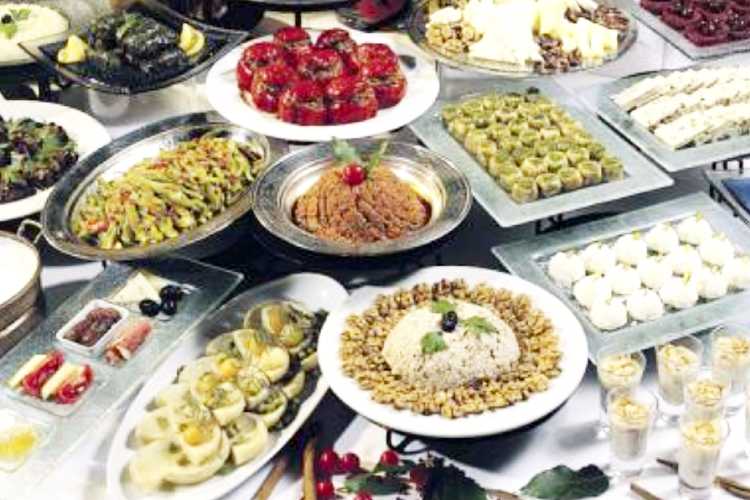
For many travellers, experiencing the local food is one of the highlights of visiting Edirne, alongside its magnificent mosques, historic bridges, lively bazaars and rich Ottoman heritage. The city has earned a reputation as one of Turkey’s most distinctive culinary destinations, attracting visitors eager to discover its authentic regional flavours and centuries-old traditions.
Yet as they explore local restaurants, many notice a curious pattern. Whether dining in a traditional lokanta or a modern restaurant, meat dominates the menu, while seafood plays a far smaller role.
For some, this comes as a surprise. Edirne is crossed by three rivers and lies within easy reach of the Aegean Sea, the Sea of Marmara and the Black Sea. Why, then, did seafood never become a defining part of the city’s cuisine?
The answer lies not in geography alone, but in centuries of Ottoman history, regional traditions and cultural values. To understand Edirne’s culinary identity, we must look beyond today’s restaurant menus and explore how history shaped one of Turkey’s most distinctive food cultures.
An Imperial City Where Food Meant More Than Sustenance
The answer begins with Edirne’s unique place in Ottoman history..
For nearly a century, Edirne served as the capital of the Ottoman Empire. Even after the conquest of Constantinople in 1453 and the transfer of the capital to Istanbul, it remained one of the empire’s principal royal centres. Sultans continued to visit, imperial ceremonies were held here, and the magnificent Edirne Palace remained an important residence for generations.
This enduring imperial presence shaped not only the city’s political importance but also its commerce, agriculture, craftsmanship and, ultimately, its food culture.
Feeding the Ottoman court required an extensive network of livestock breeders, shepherds, butchers, merchants, bakers, spice traders and skilled cooks. These supply networks strengthened the region’s long-standing connection with livestock and meat production while encouraging specialised trades and culinary expertise.
Over time, Edirne became more than a supplier to the imperial court. It evolved into a centre where culinary knowledge was refined and ideas about prestigious dining spread into the wider community.
The Ottoman palace did not simply feed Edirne. It helped teach the city what prestigious food was supposed to look like.
When Food Became a Language of Status and Hospitality
The influence of the Ottoman palace extended far beyond recipes and cooking techniques. It also shaped the cultural meaning of food.
Throughout the Ottoman Empire, food was more than nourishment. Grand banquets, diplomatic receptions and ceremonial feasts expressed power, prestige and generosity. The dishes served at the imperial table reflected not only the empire’s wealth but also the importance of the occasion and the status of those being honoured.
Although ordinary families did not eat like sultans, the values associated with the imperial table gradually spread through society.
Within this tradition, meat occupied a special place. Historically more valuable than grains, vegetables or legumes, it became a symbol of abundance and generosity. Serving meat was not simply about feeding guests—it was a way of showing them honour.
These traditions were reinforced over centuries. Ottoman court culture gave them prestige, while local customs ensured they became part of everyday life.
Edirne inherited more than Ottoman recipes. It inherited Ottoman values around the dining table.
Why Didn’t Seafood Become Part of Edirne’s Culinary Identity?
At first glance, Edirne’s meat-centred cuisine seems surprising. The city is crossed by the Meriç, Tunca and Arda rivers, while the Aegean Sea, the Sea of Marmara and the Black Sea all lie within relatively easy reach. Seafood has therefore never been absent from the region, and visitors can still enjoy a variety of fish and seafood dishes in Edirne today.
Yet geography alone does not create culinary identity. History, culture and tradition determine which foods become symbols of a place—and which remain simply part of the local diet.
Throughout the Ottoman period, meat occupied a special place at imperial banquets, religious celebrations, weddings and public feasts. It symbolised abundance, generosity and prestige, reinforcing its association with hospitality and honour on life’s most important occasions.
Over time, these values became embedded in everyday life. Meat-centred meals became the traditional choice for celebrations, honoured guests and other important occasions. Seafood continued to be enjoyed, but it never acquired the same symbolic significance.
It remained part of the regional cuisine.
Edirne’s meat-centred culinary tradition became part of the city’s identity.
This distinction can still be observed today. Ask a local where to eat Edirne’s famous ciğer tava or grilled meats, and the answer usually comes immediately. Ask instead for a fish restaurant, and the response is often noticeably different. That simple contrast reflects a culinary tradition shaped over centuries.
The Thracian Connection: When Imperial Influence Met Local Tradition
Ottoman history explains much of Edirne’s culinary identity—but probably not all of it.
The city lies at the heart of Thrace, a region whose fertile plains and long-standing livestock traditions have shaped local life for centuries. Sheep, cattle and other forms of animal husbandry supported the regional economy and naturally encouraged a cuisine in which meat played a central role.
While rural communities developed practical cooking traditions based on local produce, Ottoman palace culture elevated meat through its association with prestige, ceremony and hospitality. Over time, these two influences reinforced one another, creating a culinary tradition that was both refined and deeply rooted in everyday life.
Edirne’s meat-centred cuisine cannot be explained by a single factor. It emerged from the meeting point of imperial culture and regional tradition.
The Ottoman court gave prestige to Edirne’s meat-centred culinary tradition – Thrace gave it continuity.
By the end of the Ottoman era, Edirne’s meat-centred culinary tradition no longer depended on the imperial court itself. It had become part of the city’s own identity.
A Culinary Identity Passed Through Generations
The most remarkable aspect of Edirne’s food culture is not simply the survival of its famous dishes, but the values behind them.
The Ottoman palace may have disappeared, but many of the traditions it helped shape remain visible today. Hospitality is still expressed through generous meals, important occasions are marked with carefully prepared food, and welcoming guests continues to be seen as a gesture of respect.
When visitors enjoy ciğer tava, grilled meats or other local specialities, they experience more than regional recipes. They encounter a culinary tradition shaped by centuries of Ottoman influence, Thracian heritage and the enduring importance of sharing food with others.
Edirne inherited more than the flavours of the Ottoman world. It inherited the meaning attached to those flavours.
Editorial Note: The historical interpretations and conclusions presented in this article are based on our evaluation of the available historical sources, academic research and published literature. Where definitive evidence is limited or where historians hold differing views, the opinions expressed represent our own editorial interpretation of the information available at the time of writing.
Further Reading
- Edirne Tava Ciğeri: The City’s Most Famous Dish
- Where to Eat in Edirne
- What to Eat in Edirne
- Ottoman Cuisine: Flavours of an Imperial Empire
- Edirne Palace: The Forgotten Home of the Ottoman Sultans
- Traditional Foods of Edirne: A Culinary Guide
- Things to Do in Edirne
- The Maritza (Meriç) River: Lifeline of Edirne
 Türkçe