
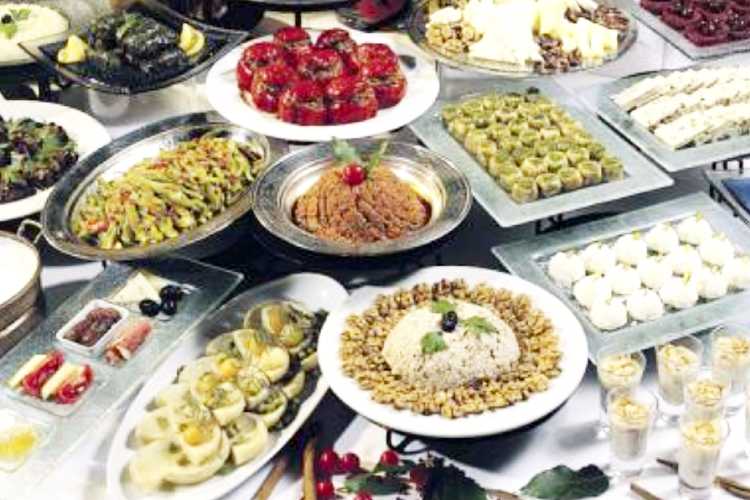
The Ottoman Empire left behind not only monumental architecture and complex institutions, but also one of the world’s most sophisticated culinary traditions. Food in the Ottoman world was never merely sustenance; it was a reflection of power, ceremony, geography, and everyday life.
Among the cities that shaped this heritage, Istanbul and Edirne stand out as imperial capitals whose kitchens tell both a shared and a divergent story. While Istanbul is widely recognized as the heart of Ottoman palace cuisine, Edirne played a crucial and often underestimated role. Comparing the culinary traditions of these two cities allows us to better understand how imperial food culture evolved, adapted, and spread beyond palace walls.
While Istanbul ultimately became the most institutionalized center of Ottoman palace cuisine, it was not the empire’s first culinary capital. Before the imperial court settled permanently in Istanbul, Edirne had already developed a rich food culture shaped by palace life, migration, and public tradition.
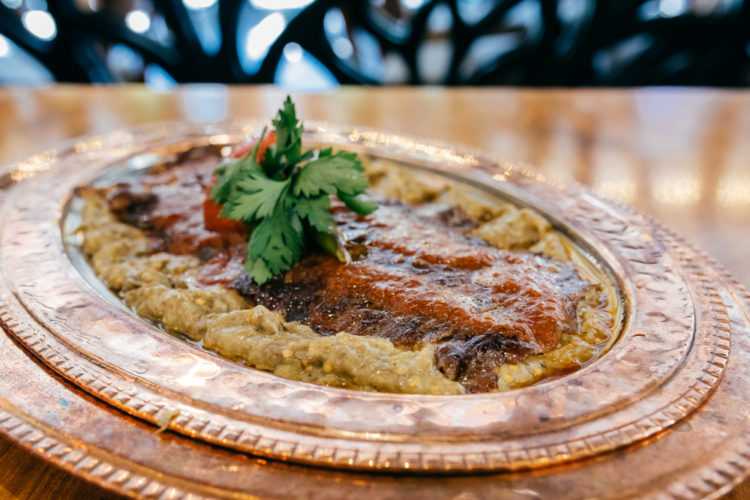
Istanbul: The Center of Imperial Culinary Refinement
Istanbul, as the final and longest-serving capital of the Ottoman Empire, represents the most elaborate expression of Ottoman cuisine. The kitchens of Topkapı Palace functioned as a highly organized culinary institution, employing hundreds of cooks and producing food not only for the sultan but for the entire palace hierarchy.
The cuisine of Istanbul emphasized:
- precision and hierarchy in cooking
- complex rice dishes (pilafs)
- layered stews and soups
- refined desserts and sherbets
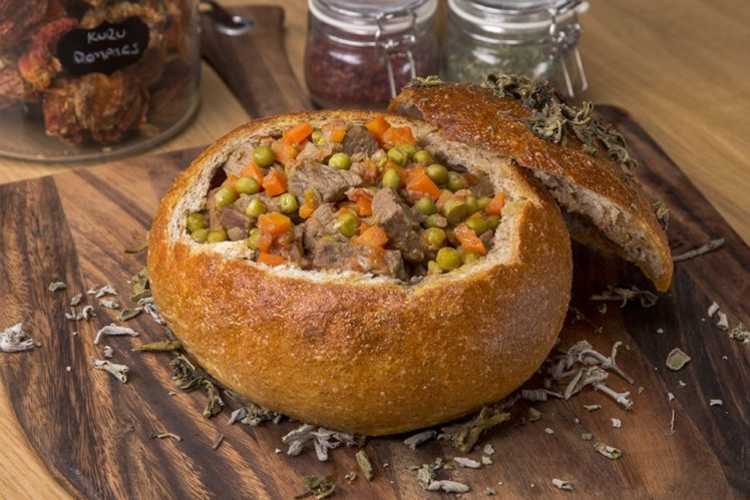
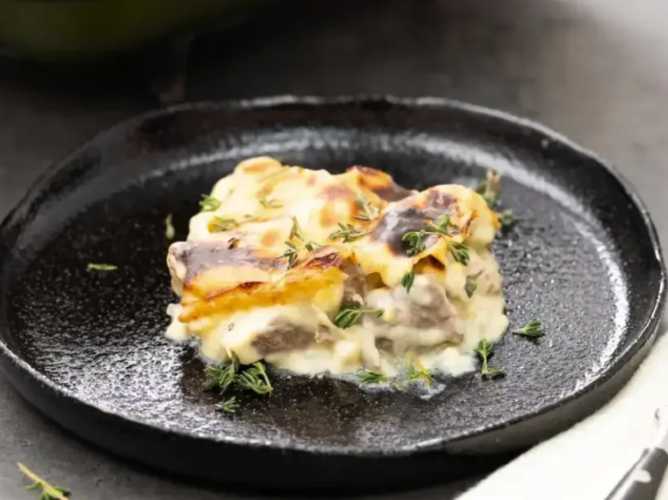
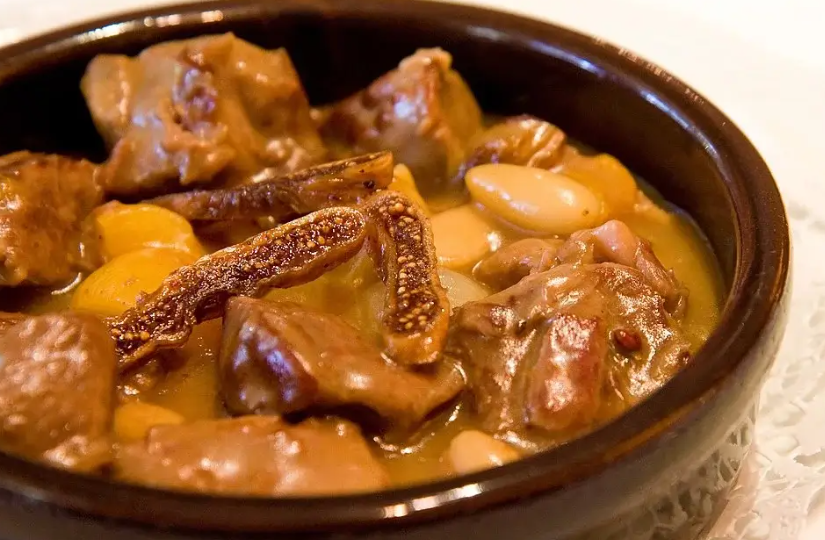
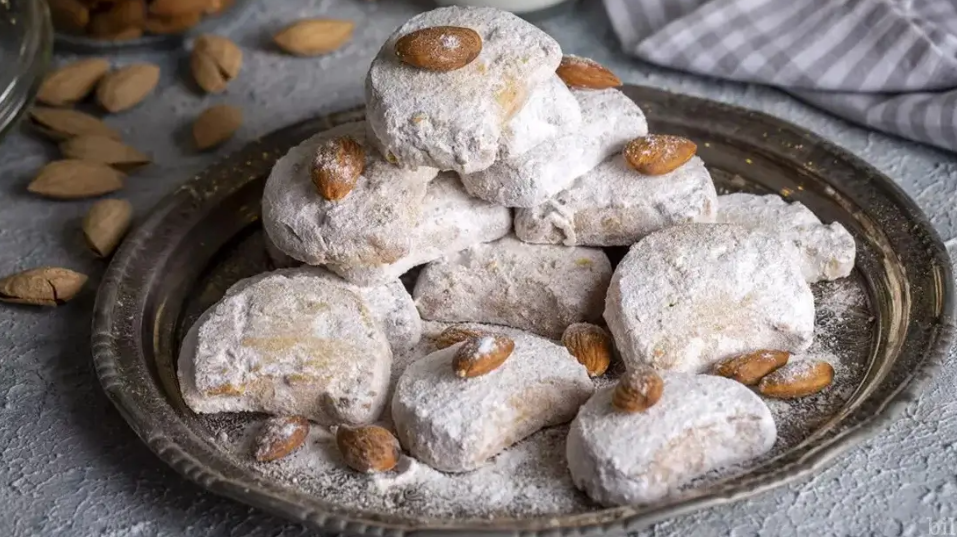
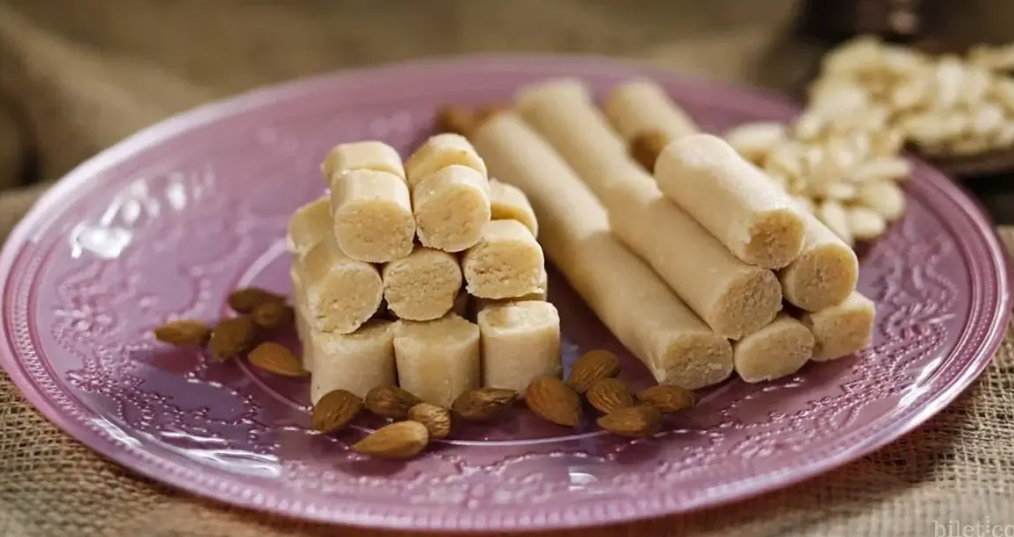
Dishes associated with palace cuisine, such as almond-based desserts, stuffed vegetables, and slow-cooked meat dishes, were later adopted and adapted by the city’s broader population. Istanbul thus became the point from which imperial tastes spread across the empire.
Edirne Cuisine and Its Ottoman Roots
Edirne is not only a former capital of the Ottoman Empire but also a city whose cuisine carries deep historical layers. Long before Istanbul became the permanent seat of power, Edirne served as an imperial capital and later remained a favored residence of several sultans, most notably Mehmed IV, who spent long periods there due to hunting traditions and court life centered around the Edirne Palace.
Edirne cuisine developed at the intersection of multiple influences. Culinary traditions from the Balkans, Anatolia, and the Caucasus, brought by migrants and court officials, blended with local ingredients and techniques. The city’s position on historic trade routes further enriched its food culture through contact with merchants and travelers.
As a result, Edirne became a gastronomic center that combined the refinement of the Ottoman palace kitchen with the practicality and authenticity of public and home cooking. Importantly, palace food in Edirne was not confined to elite circles; on certain occasions, food prepared in palace kitchens was distributed to the public, reinforcing the connection between imperial cuisine and urban life.
Palace Tradition and Public Taste Combined
Edirne’s culinary identity, while equally rooted in palace tradition, evolved in closer dialogue with everyday life. Unlike Istanbul, where palace cuisine was highly institutionalized, Edirne’s food culture reflects a more visible overlap between courtly refinement and popular practice.

Signature dishes such as Edirne tava ciğeri (fried liver) exemplify this balance. Prepared using ultra-thin slices of fresh liver, lightly floured and fried quickly, it is a dish defined by technique, freshness, and restraint—qualities consistent with Ottoman culinary principles, yet firmly embedded in local culture. Another local favorite, Edirne Köftesi (meat balls) is celebrated for its tender texture and well-seasoned flavor, reflecting the city’s dedication to simple yet expertly crafted dishes.

Other historically significant dishes include:
- Ciğer sarması (liver wrap), a stuffed liver dish associated with festive and ceremonial meals
- Elbasan tava, a yogurt-based lamb dish reflecting Balkan influence
- Etli marul sarması, using lettuce leaves instead of vine leaves
- Nohutlu ekmek, bread leavened with fermented chickpeas, predating modern yeast
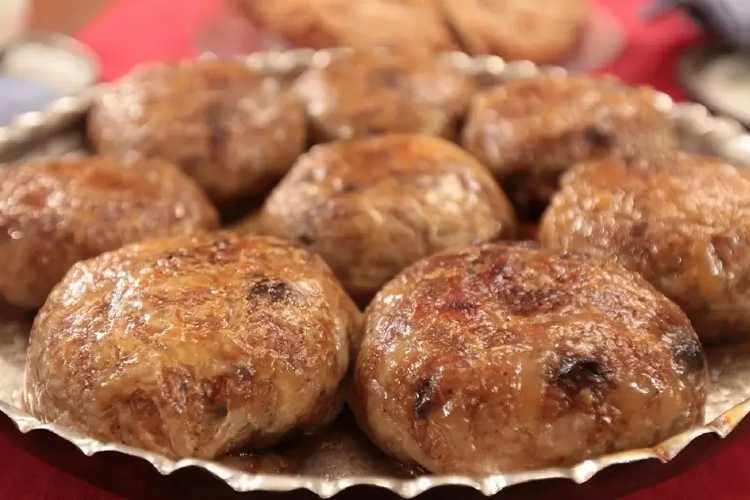
Desserts such as Gaziler helvası, prepared for charitable distribution and special occasions, further illustrate how food in Edirne carried social and symbolic meaning.
Two Imperial Capitals, Two Culinary Characters
Although both cities drew from the same imperial tradition, their cuisines developed distinct personalities.
Istanbul’s cuisine represents “centralized power, ceremonial complexity and codified palace traditions” whereas Edirne’s cuisine reflects “mobility of the court, interaction between palace and public and regional diversity within imperial taste”.
Together, they show that Ottoman cuisine was not monolithic. It was adaptable, responsive to geography, and shaped by the rhythms of imperial life.
Why This Comparison Matters Today
Understanding the culinary relationship between Istanbul and Edirne enriches our perception of Ottoman heritage beyond monuments and museums. Food offers a tangible, living connection to history—one that continues to be cooked, shared, and experienced.
Exploring Edirne cuisine alongside Istanbul’s imperial legacy reveals how culinary culture travels, transforms, and survives. It also highlights Edirne not as a secondary city, but as a key contributor to Ottoman gastronomic identity.
For travelers and food enthusiasts alike, tasting these traditions is not simply about flavor; it is about engaging with history through the senses.
Exploring Edirne cuisine alongside Istanbul’s imperial legacy reveals how culinary culture travels, transforms, and survives.
Keywords: OttomanCuisine #OttomanCulinaryHeritage #IstanbulCuisine #EdirneCuisine #OttomanFood #ImperialCapitals #TraditionalTurkishCuisine #OttomanPalaceCuisine #EdirneTavaCigeri #TurkishFoodCulture
 Türkçe