
In this article, we explore a question that is both unsettling and increasingly discussed in regional circles: what could happen to Edirne if tensions between Turkey and Greece ever escalated into open conflict? At first glance, such a scenario may seem far-fetched. Yet anyone following current geopolitical developments knows that stability in our region cannot always be taken for granted.
Historical Conflicts That Still Cast a Shadow
Edirne and the broader Thrace region experienced a period of occupation after World War I, as Greek forces aligned with the Allied victors took control of the city. While the occupation caused trauma and disruption, the most intense battles and widespread atrocities occurred in western Anatolia and the Aegean region, particularly during Greek retreats following defeat in the Turkish War of Independence, leaving a lasting and heartbreaking legacy between the two peoples.
These events continue to inform local historical memory. For residents and historians alike, Edirne’s proximity to potential flashpoints is not just theoretical — it is shaped by centuries of geopolitical tension.
Alexandroupoli and Military Activity
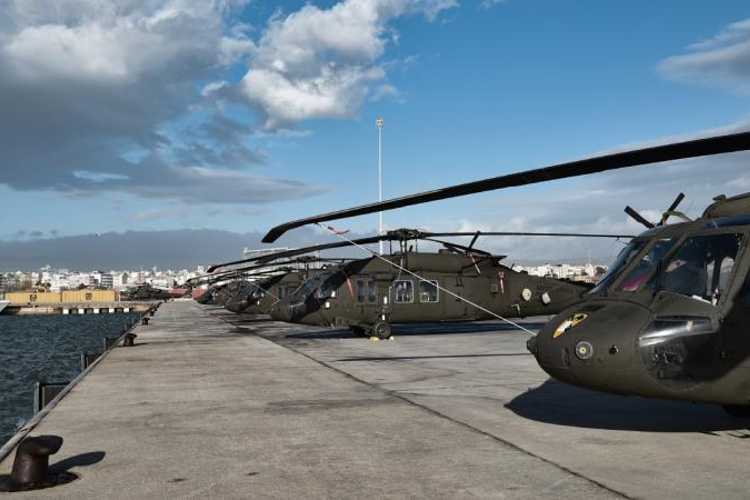
The port city of Alexandroupoli (Dedeağaç), roughly 140 kilometers from Edirne, has grown in strategic importance as a NATO logistics hub. Military deployments including tanks, aircraft, and other equipment are frequently reported.
While officially part of alliance coordination, the proximity of these forces to the Turkish border naturally draws attention. The broader picture cannot be ignored: U.S. involvement and influence in regional security decisions add another layer of concern for observers watching Edirne’s border.
Could Allies Ever Drift Into Confrontation?
Many analysts maintain that a direct military clash between Turkey and Greece is unlikely, particularly given NATO ties. Yet strategic interests evolve, and regional crises can escalate faster than expected. For this reason, some commentators argue it is wise — not alarmist — to examine even uncomfortable scenarios.
If the Undesired Scenario Emerged
No serious policymaker advocates a Turkey–Greece war, and the human, economic, and political costs would be enormous. Still, public curiosity often turns to one question: how prepared would Edirne be if a major regional crisis unfolded? This is less about predicting war than understanding strategic geography, infrastructure readiness, and risk awareness.
Final Thoughts: Vigilance Without Alarmism
A Turkey–Greece conflict remains unlikely under current conditions. Yet Edirne’s location near the border means regional military dynamics are naturally watched more closely here than in inland cities.
The key takeaway is not that conflict is imminent — but that border cities like Edirne exist closer to the pressure lines of geopolitics. Even distant scenarios deserve careful, clear-eyed attention, and history reminds us why.
Keywords: #Edirne #TurkeyGreeceTensions #ThraceRegion #Alexandroupoli #BorderSecurity #EasternThrace #RegionalGeopolitics #TurkeyDefense #BalkanSecurity #AegeanHistory #USInfluence
 Türkçe