
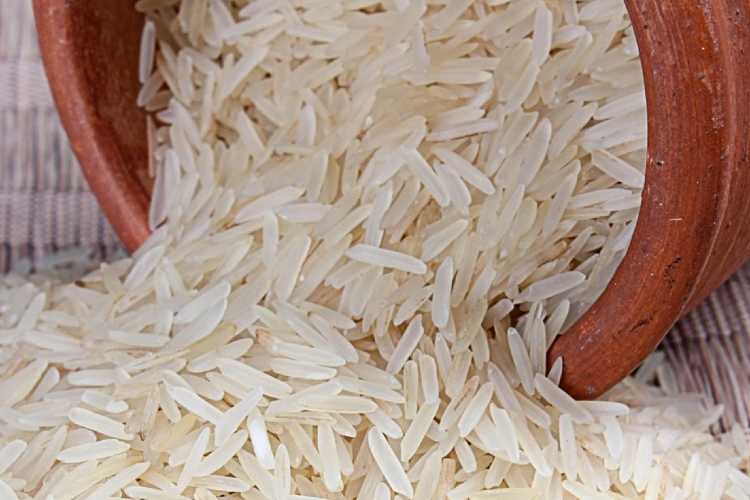
Rice is a staple on our tables — but according to experts, it may pose a greater threat to our health than we realize!
Dr. Aysun Sağlam from Istanbul Aydın University warns that rice can accumulate toxic substances like arsenic, creating serious health risks. And this isn’t just a personal risk — it’s a global issue.
Why Rice?
Rice is grown in water-saturated fields, which makes it prone to absorbing arsenic from both soil and water. Compared to other grains, rice tends to accumulate significantly more arsenic.
Climate Crisis Is Making It Worse
Climate change affects more than just the weather — it impacts what we eat. Studies show that rising temperatures and increased CO₂ levels in the atmosphere are accelerating arsenic uptake in rice. This means we may be facing a much bigger public health crisis in the future.
What Are the Health Risks?
Short-term exposure to arsenic can cause:
- Stomach pain
- Vomiting
- Low blood pressure
- Skin lesions
Long-term exposure may lead to:
- Lung, liver, kidney, and bladder cancers
- Heart disease
- Diabetes
- Immune disorders
- Neurodevelopmental issues
Eating Less Isn’t Enough
According to Dr. Sağlam, simply eating less rice is not a complete solution. Real change must happen during production. Key solutions include:
- Developing rice varieties with low arsenic uptake
- Improving water and soil management
- Reducing industrial arsenic pollution
What Can You Do?
Be mindful of your rice consumption
Include alternative grains like bulgur, buckwheat, and quinoa
Stay informed and raise awareness — demand safer, more sustainable food production!
A healthy future starts with informed choices.
#HealthyLiving #FoodSafety #ArsenicInRice #ClimateCrisis #Nutrition #HiddenThreat #DrAysunSağlam
 Türkçe