
Turkey is full of remarkable places beyond its most famous tourist destinations. From historic towns to charming streets and local favorites, these lesser-known spots offer authentic culture, rich history, and memorable experiences away from the usual tourist path.
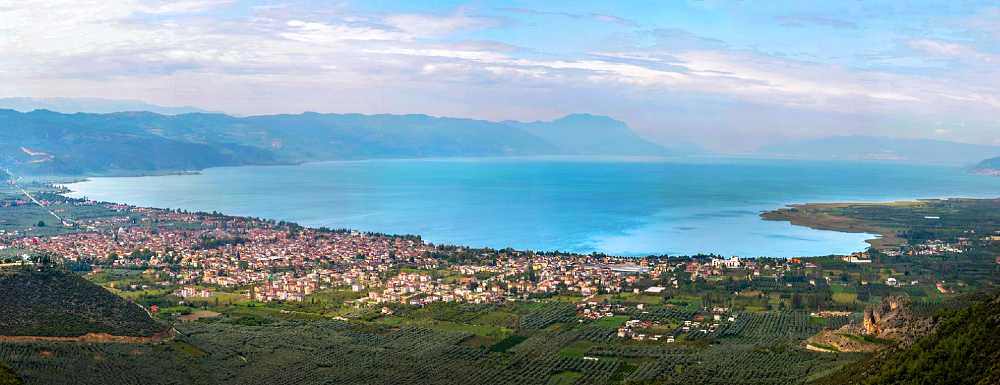
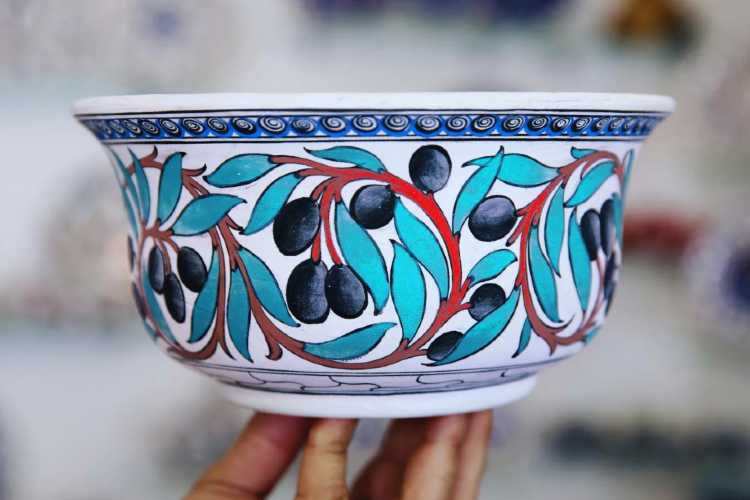
One of these places is İznik, a quiet yet historically significant town located in Bursa Province in northwestern Turkey. It is approximately 141 km from Istanbul and can be reached in under 2 hours, making it an easy escape from the city. Once known as Nicaea, İznik played an important role in early world history and later developed a distinct cultural identity over centuries of change. Today, it remains a peaceful lakeside town — known for creating what many call “the most beautiful tiles on earth”, a legacy that shaped the visual identity of Ottoman art and still defines the town today.
Cities such as İznik, nearby Bursa, and Edirne, located within the early Ottoman formation zone across the Marmara and Thrace regions, contributed to the cultural and historical foundations of the empire in its early period.
A Layered Historical Identity
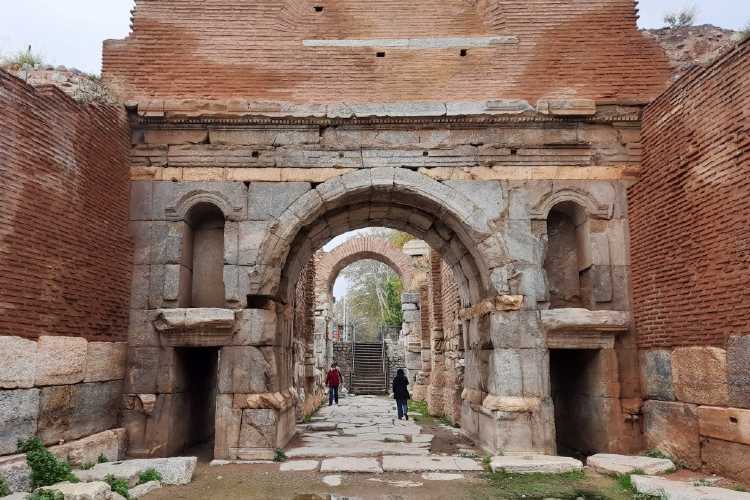
The character of İznik is shaped by its layered past, still visible in its surviving structures and atmosphere. Surrounded by ancient city walls dating back to Roman and Byzantine periods, the town once stood as a place of strategic and cultural importance. These walls, gates, and remaining structures continue to define İznik’s identity today, blending naturally with everyday life.
Why İznik is Historically Important
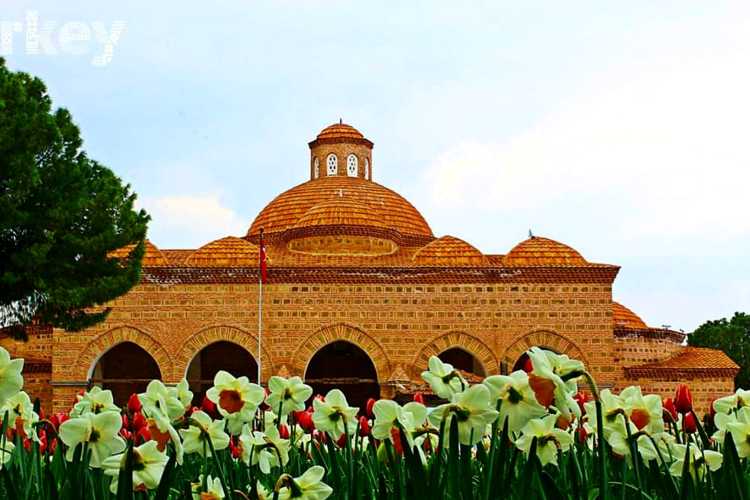
İznik holds a significant place in Turkish history as one of the key early settlement and cultural centers in Anatolia. Following the Seljuk expansion into the region, it became an important urban center, and in 1331 it was incorporated into the Ottoman lands by Orhan Bey, marking its return to Turkish rule after Byzantine control.
In the centuries that followed, İznik developed into a notable center of culture, scholarship, and artistic production, particularly in tile-making, which later became one of the defining elements of Ottoman decorative art.
Although its political importance decreased after the rise of Istanbul as the imperial capital, İznik retained its cultural and historical value. Today, it is widely recognized as a place where Roman, Byzantine, Seljuk, and Ottoman layers of history coexist in a single landscape.
Byzantine and Ottoman Heritage in Harmony
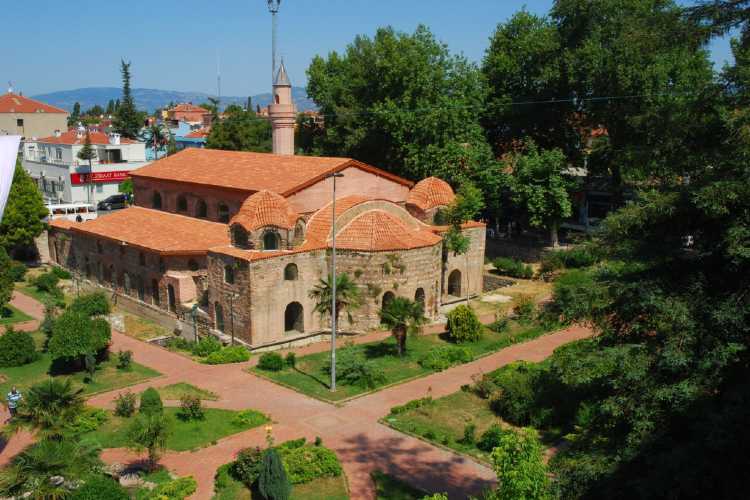
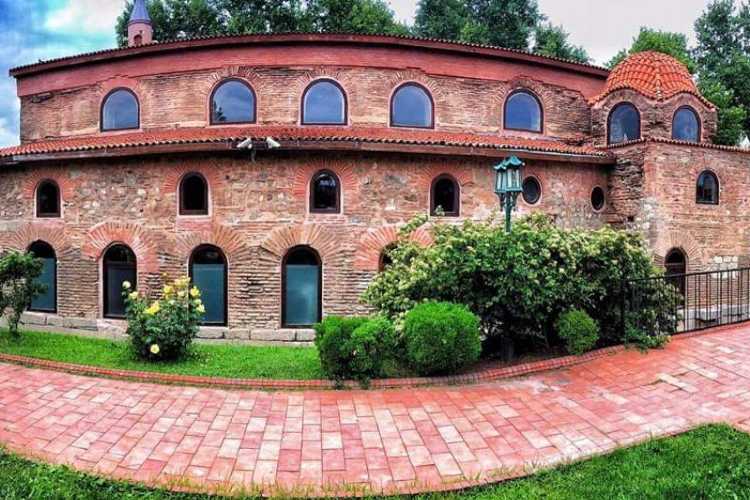
Among its most notable landmarks is the former Hagia Sophia of İznik, a building that reflects the city’s long and changing history through different periods of use. İznik is also strongly associated with early Ottoman artistic traditions, especially its world-renowned tile craftsmanship, which later became an important feature of imperial architecture. The broader region, including nearby Bursa, played a significant role in shaping early Ottoman cultural identity.
Life Around İznik Lake
Beyond its historical core, İznik is defined by its natural setting. İznik Lake, one of the largest freshwater lakes in Turkey, gives the town a calm and open atmosphere. The landscape creates a slower rhythm of life, offering space for quiet walks and reflection away from larger urban centers.
A Quiet Alternative to Mainstream Destinations
Unlike heavily commercialized destinations, İznik retains a quiet and authentic character. Its streets are modest, with local shops, small cafes, and traditional homes, where everyday life continues at a slow and unhurried pace. This balance between heritage and daily living gives the town its distinctive identity.
What to See and Do in İznik
- Walk along the ancient city walls and historic gates
- Explore the quiet streets of the old town center
- Enjoy the lakeside atmosphere of İznik Lake
- Discover traditional tile craftsmanship and local workshops
- Visit scattered historical landmarks across the town
How to Get to İznik
İznik is located in Bursa Province and is approximately 141 km from İstanbul, making it an easy day or weekend trip.
The most common route is:
- Istanbul → Yalova (via ferry or road)
- Then continue by road to İznik
Alternatively, travelers can reach İznik via Bursa, which is the nearest major city and provides regular regional access.
Frequently Asked Questions (FAQ)
Is İznik worth visiting?
Yes. It offers a peaceful historic atmosphere, lakeside scenery, and deep cultural heritage without mass tourism.
How long should I spend in İznik?
A full day is enough for main sights, but staying overnight allows a slower and more immersive experience.
What is İznik known for?
İznik is known for its ancient city walls, historical significance as Nicaea, and its famous tile craftsmanship tradition.
Is İznik crowded with tourists?
No. It remains relatively quiet compared to major Turkish tourist destinations.
Watch this short video to discover İznik — a historic lakeside town where centuries of Roman, Byzantine, Seljuk, and Ottoman heritage come together in one unique landscape (subtitles in English on Youtube)
 Türkçe