
Local festivals continue to take place in this beautiful city, and it’s a shame that these events don’t receive broader recognition throughout Turkey. Ideally, officials should put in a better performance to attract attention from abroad, especially in countries like the UK, France, and Italy, bringing in many visitors from these destinations.
As mentioned, the festival will showcase traditional recipes that span from Rumelia to the Palace Kitchen (Ottoman Kitchen), featuring flavors crafted through centuries of experience and the region’s rich culture.
Visitors will experience a taste of Edirne’s deep-rooted history and spirit. The festival is promoted in various local media with messages like: “This festival is not just about food; it’s the scent of your childhood, the warmth of your grandmother’s kitchen, the taste of the jam made by your grandfather’s hands…
This festival brings the rich history of Edirne to your tables. Edirne’s diverse cuisine is ready to welcome both local and foreign guests, enriching their tables with cultural richness. Join this unique culinary journey!”
We believe this is a well thought of activity, and there is no issue with its promotion within Edirne. However, the goal should be to reach far beyond this. Such efforts must be effectively amplified abroad. It is essential for those responsible to carry out necessary promotional campaigns in the right channels and at the right times to make a meaningful impact.
Down below are some dishes that reflect Edirne’s rich culinary heritage, showcasing both historical significance and unique local flavors.
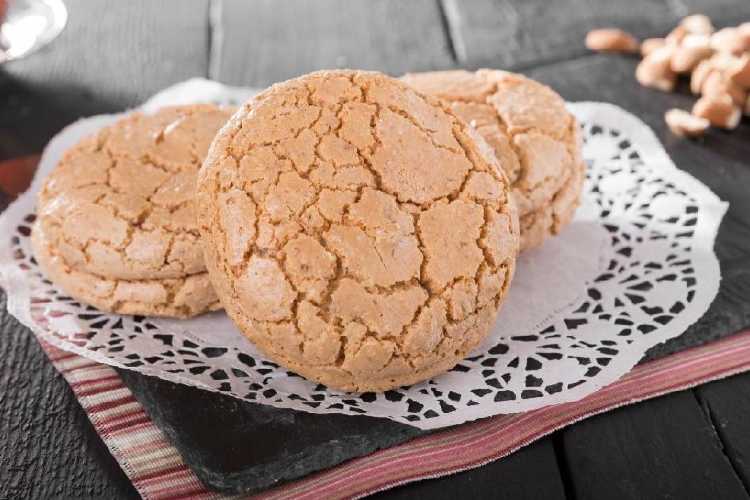
1. Acıbadem Cookie: These cookies are made from ground almonds, powdered sugar, and egg whites. Originally named “Hacı Badem,” they are piped onto parchment and baked until golden.
2. Deva-i Misk Halva: This halva contains 41 spices and ingredients. It includes sugar, egg whites, and potassium bitartrate, offering health benefits for conditions like anemia and fatigue.
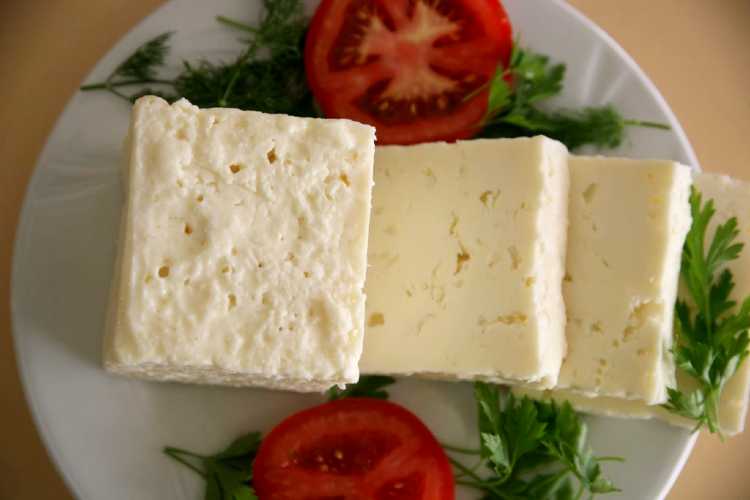
3. Edirne White Cheese: Made from local sheep, goat, and cow milk, this cheese is free from antibiotics and preservatives. It has a slightly yellowish-white hue and is a staple in local cuisine.
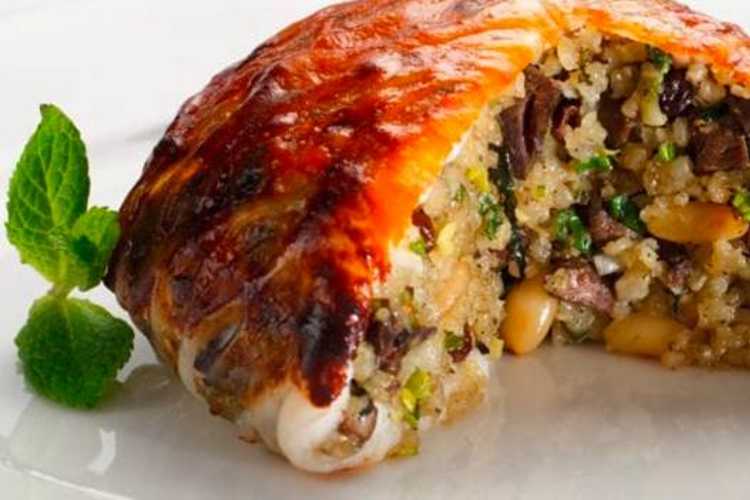
4. Edirne Liver Wrap: A dish combining lamb liver with onions, rice, and spices, all wrapped in lamb caul and baked, highlighting the region’s culinary traditions.
5. Edirne Fried Liver: Prepared from the liver of young calves, this dish is cleaned and cooked in a specialized pan, served with local dried red peppers known as “Karaacı.”
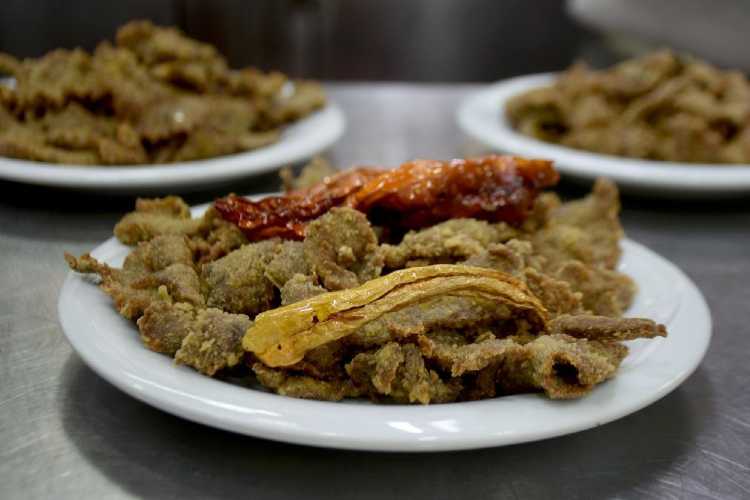
6. Edirne Almond Paste: Originating from Ottoman cuisine, this paste is made from wild Hacı Alibey almonds mixed with syrup. It is shaped and packaged for sale, requiring specific storage conditions.
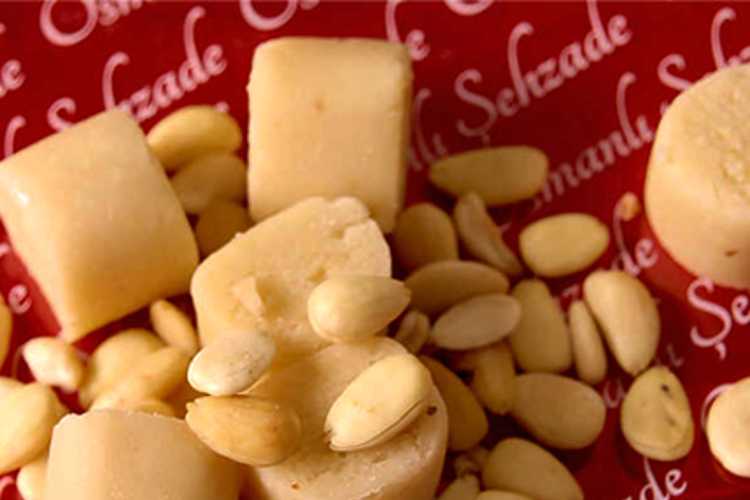
7. Keşan Satır Meat: A product from Keşan, this meat was historically preserved by chopping and cooking over wood fires, made from the curly-haired lambs of Thrace.
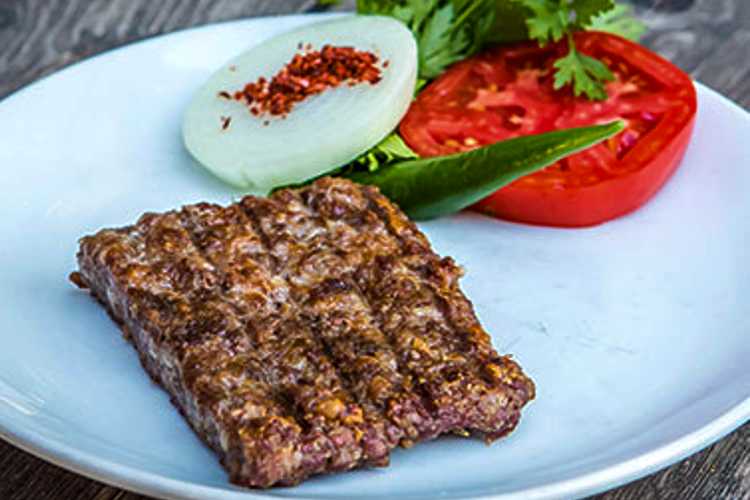
8. Meriç Black Melon: Grown in the Meriç district, this melon has a dark green exterior and orange flesh. It withstands heat and drought, allowing for long storage and a distinctive flavor, produced without irrigation due to local conditions.
 Türkçe