Anasayfa » Blog » An Archaeological Awareness Trip to Kırklareli, considered the cradle of European Civilization
An Archaeological Awareness Trip to Kırklareli, considered the cradle of European Civilization
"Share This, Spread the News! / "PAYLAŞIN, YAYILSIN"
PHOTO: COURTESY OF TAKSAV EDİRNE
The Edirne Branch of the Foundation for Social Research, Culture, and Art (TAKSAV) recently organized a cultural and archaeological awareness trip to Kırklareli in northwestern Turkey, to raise awareness about an important archaeological site from thousands of years ago.
Kırklareli is considered to be the cradle of European civilization by many experts in archaeology discipline (half science and half humanity as described by many). A site located at AŞAĞI PINAR mound in Kırklareli is said to date back 8,200 years and often referred to as “Europe’s Göbeklitepe.”
PHOTO: COURTESY OF TAKSAV EDİRNE
The interesting part however is unlike Göbeklitepe’s male-dominated findings, evidence found at Aşağı Pınar where archaeological excavations have been conducted for 28 years points to a female-centric societal structure.
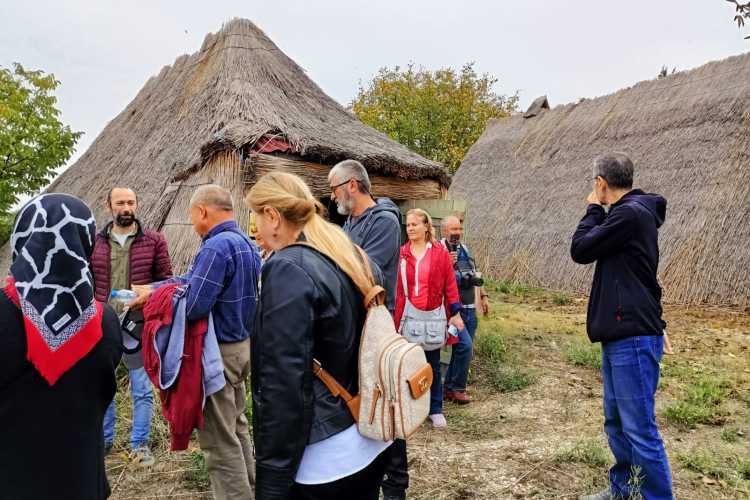
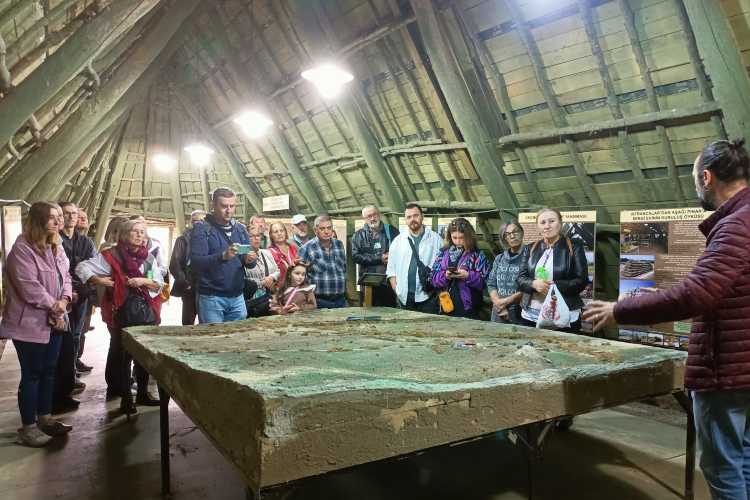
The trip, led by TAKSAV Edirne Representative Nevzat Çolak, included 30 participants and featured a visit to Turkey’s first Prehistoric Open-Air Museum, located at Aşağı Pınar mound. Assistant Professor Şafak Nergis, a member of the team that had conducted the excavation, provided very valuable information regarding the site.
The Point Where the Neolithic Revolution Spread to Europe
PHOTO: COURTESY OF TAKSAV EDİRNE
Located along the Asilbeyli village road, the site was excavated by a team led by Professor Mehmet Özdoğan of Istanbul University’s Department of Prehistoric Archaeology. Spanning 5,000 square meters, the excavations revealed significant insights into the earliest farming and village life in Thrace. Assistant Professor Şafak Nergis, a member of said team team, emphasized that Aşağı Pınar served as the most critical excavation site demonstrating how the Neolithic lifestyle spread from Anatolia to Europe.
PHOTO: COURTESY OF TAKSAV EDİRNE
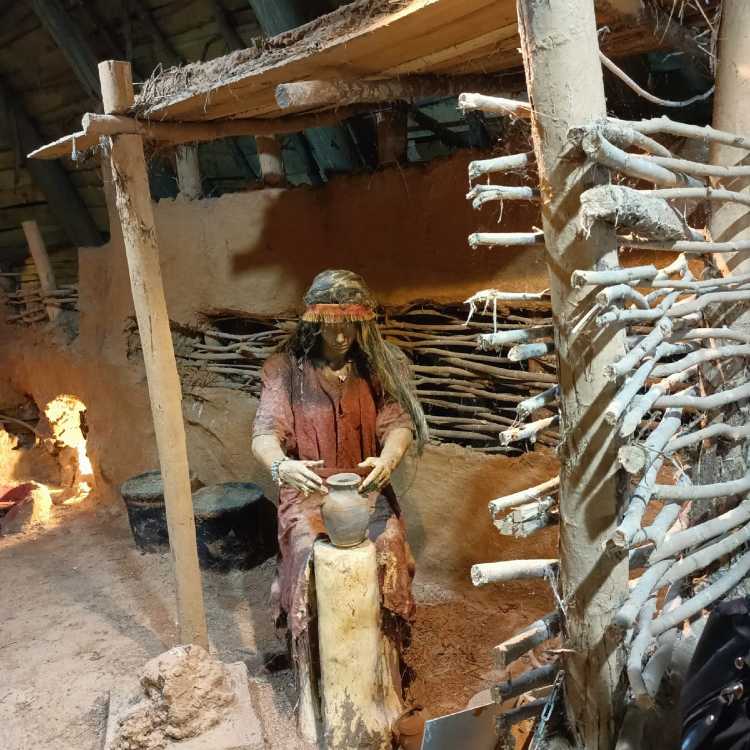
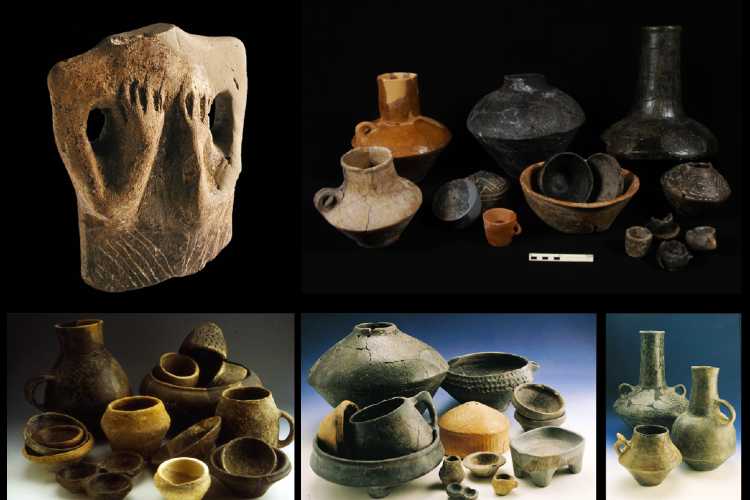
Nergis explained that the first settlers in Thrace had likely migrated from Anatolia and the Aegean, adapting to their new environment and later influencing Europe. Findings include architectural transitions, such as the shift from mudbrick to wooden structures, and artifacts like white-painted pottery, red-slipped ceramics, and numerous female figurines.
PHOTO: COURTESY OF TAKSAV EDİRNE
Kırklareli: The Core of European Civilization
Assistant Professor Nergis described Thrace as “perhaps the periphery of Anatolia but the core of European civilization.” The settlers of Aşağı Pınar, who arrived around 6200 BCE, introduced farming practices, domestic animals like sheep, goats, pigs, and cattle, and crops such as wheat and lentils from Anatolia. Their agricultural advancements eventually spread to Europe, reaching as far as England and Scandinavia.
A Prehistoric Open-Air Museum in Waiting
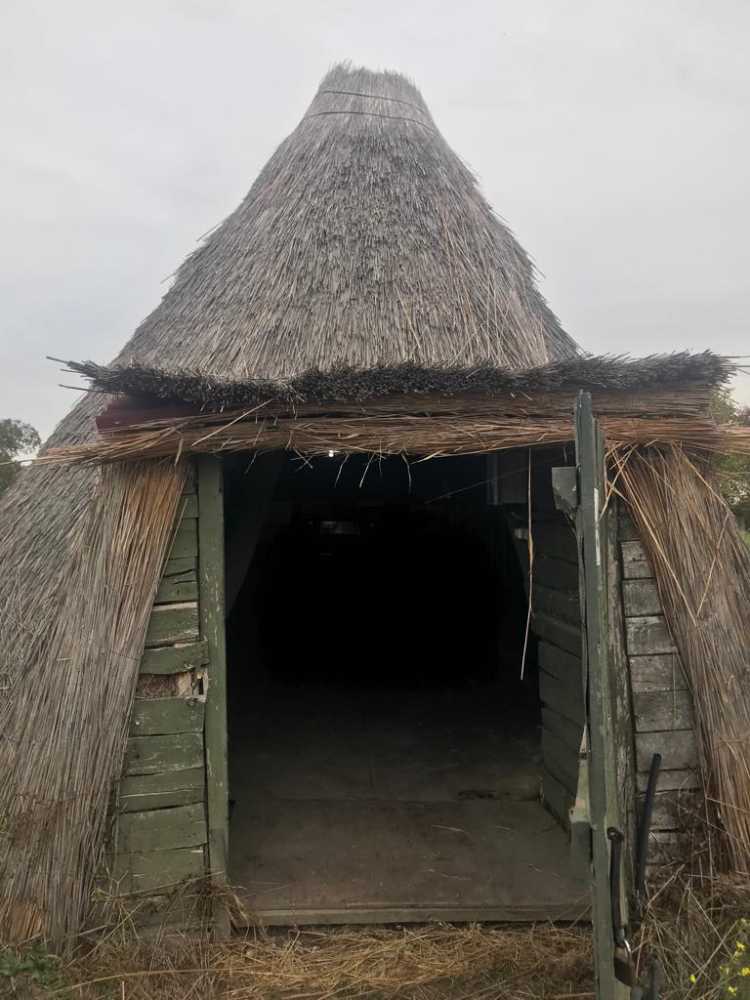
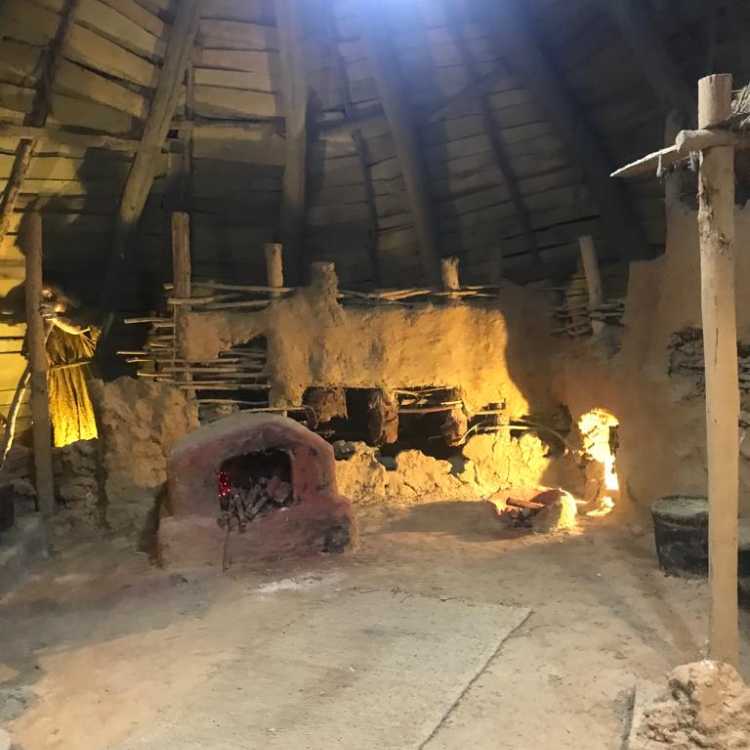
A significant outcome of these excavations is the *Prehistoric Open-Air Museum*, designed to showcase Neolithic architecture, tools, traditional agriculture, and crafts through models and reconstructions. Unfortunately, financial constraints have delayed the museum’s opening.
TAKSAV’s Goals for Cultural Enrichment
TAKSAV Edirne Representative Nevzat Çolak highlighted the importance of raising awareness about the region’s cultural and archaeological heritage. He expressed TAKSAV’s aim to become a hub for art, culture, and literature in Edirne through workshops, author-reader meetups, and children’s philosophy and diction programs.


 Türkçe