
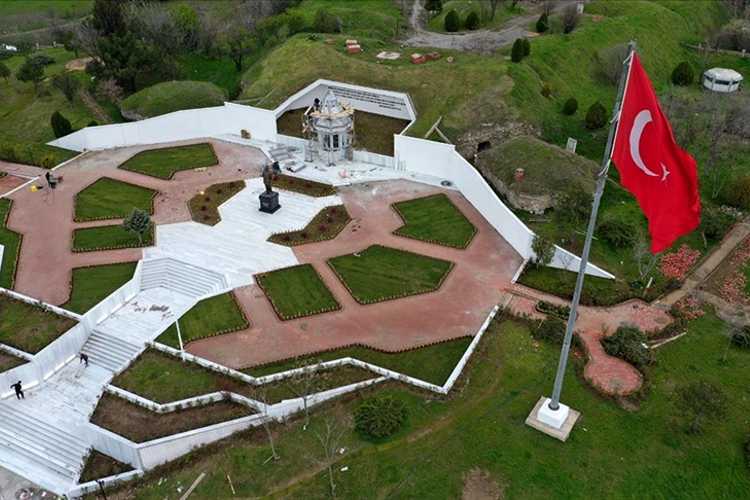
Edirne’s iconic Kıyık Tabya (fort) is entering a fresh period of revival. Built in 1888 during the reign of Sultan Abdulhamid II and playing a vital role in the Balkan Wars, this historic fortification is now being brought back to life through an extensive restoration process. The project not only preserves an invaluable cultural heritage but also strengthens the city’s tourism appeal, marking a long-awaited and significant step for Edirne.
Restoration Journey From Past to Present
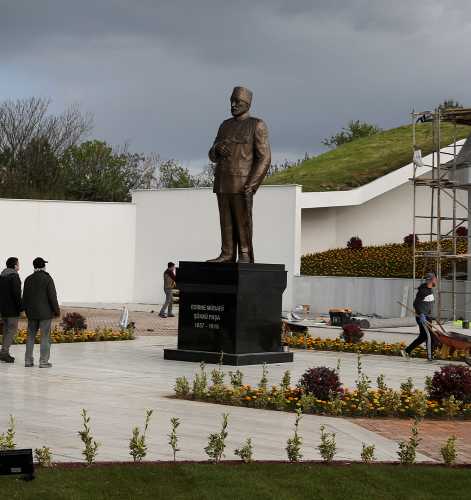
The first phase of the restoration began in 2023, during which Şükrü Pasha’s (general) monument, grave, and statue were renewed, along with landscaping and lighting arrangements. The area reopened to visitors in 2024. Now, the revitalization process is expanding with the goal of restoring the entire fort. Edirne Governor Yunus Sezer emphasizes the importance of reviving historical structures and highlights that Kıyık Tabya will once again become an integral part of the city’s cultural identity.
A Legacy Preserved for Future Generations
Once restoration is fully complete, Kıyık Tabya will stand as a meaningful cultural stop for both history enthusiasts and visitors. Reflecting Edirne’s rich heritage, the site will reinforce the city’s historical character and ensure that the unforgettable memories of the Balkan Wars continue to be passed down through generations.
Historical Significance of Kıyık Tabya in Edirne
Kıyık Tabya holds a unique place among Edirne’s fortifications as the only one whose inscription has survived to the present day. With its triangular layout and two-section structure, it was one of the twenty-four forts forming the city’s defensive line. During the Balkan Wars of 1912-1913, it served as the command center of Mehmed Şükrü Pasha, who led a legendary defense that lasted 5 months and 5 days. After the war, the fort became a memorial area honoring his remarkable dedication.
Şükrü Pasha’s Last Wish and Its Enduring Meaning
Şükrü Pasha’s written will, preserved at the fort, adds a profound emotional dimension to Kıyık Tabya. He requested not to be buried if the defense line fell, but if he were martyred while the line stood firm, he wished to be laid to rest there and for a monument to be erected over him for future generations. After passing away in 1916 due to illness, Kıyık Tabya became a symbolic resting place that keeps his memory alive.
Keywords #Edirne #KiyikTabya #restoration #heritage #BalkanWars #culture #tourism #Abdulhamid #fortress #architecture #history #memorial #Shrine #legacy #revival #ŞükrüPasha #EdirneHistory #historicSite #Trakya #culturalidentity
 Türkçe