
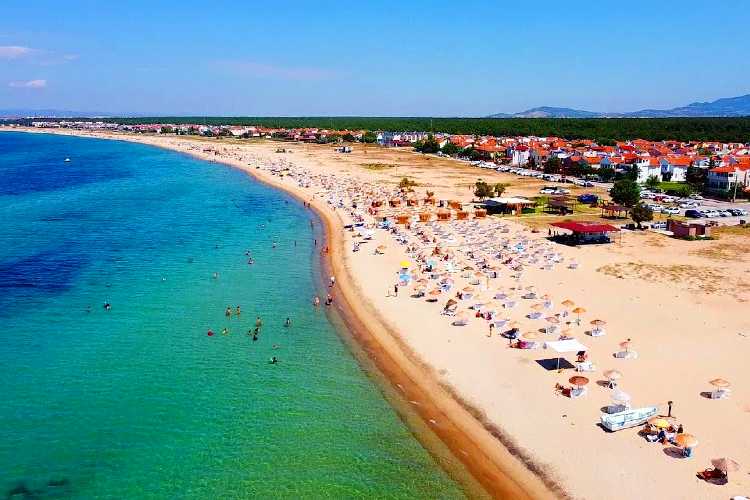
Where the Meriç River meets the Aegean, Enez represents one of the most distinctive geographical extensions of Edirne. Known for its coastal landscapes, wetlands, and historical depth, the district occupies a rare position where the Balkans and the North Aegean begin to intersect.
Many visitors associate Edirne primarily with its Ottoman heritage and historic city center. However, the province extends further than the city itself, reaching the shores of the Saros Gulf through Enez. This coastal connection expands Edirne’s identity from an inland cultural destination into a region that also opens onto the sea.
Geographical and Strategic Importance
Enez holds a unique geographical position at the edge of the Saros Gulf, close to the wider North Aegean region and within reach of Bulgaria and Greece. This creates a rare intersection of inland cultural routes and coastal geography.
The district functions as a natural transition point between:
- The Balkan hinterland and the Aegean coastline
- Inland river systems and open sea environments
- Historical trade and modern tourism routes
This layered position gives Enez a strategic importance that goes beyond its size or current tourism profile.
Natural and Cultural Tourism Assets
Enez combines coastal, ecological, and historical elements within a compact area. Its Saros Gulf coastline is known for cleaner waters and a quieter atmosphere compared to more heavily developed coastal regions.
Key elements shaping its tourism potential include:
- The Saros Gulf coastline and beach environments
- Wetlands and delta ecosystems with rich birdlife
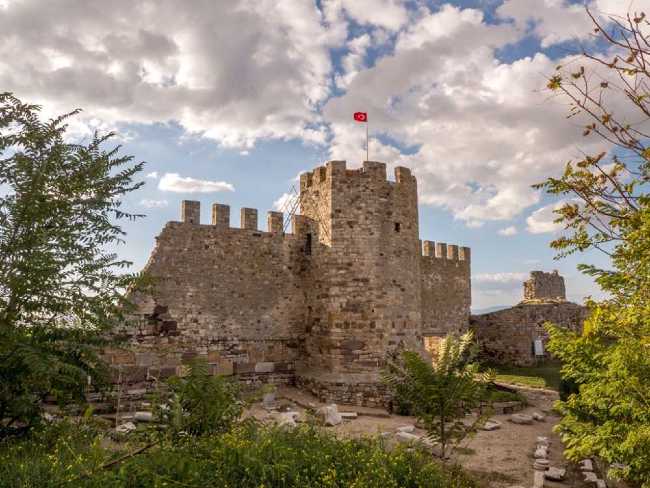
- The remains of ancient Ainos, reflecting deep historical continuity
- Byzantine and Ottoman-era cultural layers
Together, these elements create a destination where nature and history are closely intertwined rather than separated into distinct zones.
Sustainable and Nature-Based Tourism Potential
Despite its advantages, Enez remains relatively underdeveloped in terms of large-scale tourism infrastructure. This creates an opportunity for a more sustainable development model.
Rather than mass tourism, Enez is more suitable for:
- Nature-based tourism focused on wetlands, wildlife, and coastal ecosystems
- Low-density coastal travel with small-scale accommodation
- Cultural and heritage tourism centered on ancient and historical sites
- Slow tourism experiences emphasizing environment and local life
This positioning allows Enez to grow without losing its natural and cultural character.
Enez as a Regional Gateway
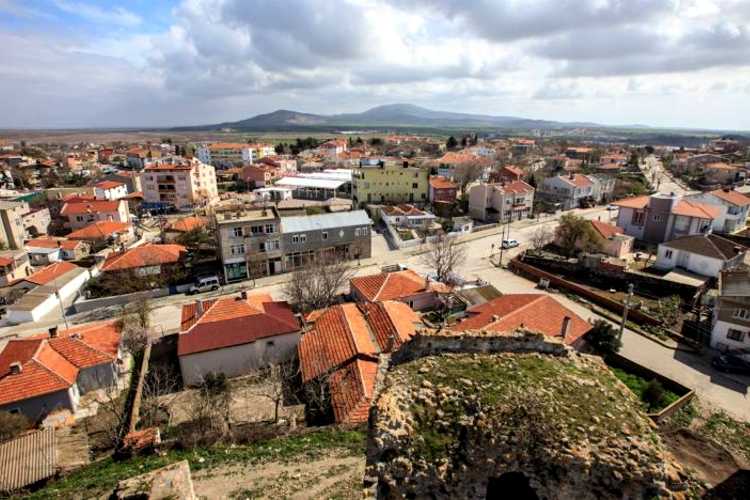
Enez can be understood as a future gateway between the Balkans and the North Aegean. Its proximity to Bulgaria and Greece positions it as a potential entry point for regional travelers seeking coastal experiences within short travel distances.
In this context, Enez aligns with broader tourism trends:
- Cross-border regional travel within the Balkans
- Interest in lesser-known coastal destinations
- Increasing demand for sustainable and authentic environments
- Potential future maritime and coastal connections in the Aegean region
This gateway role strengthens its importance within the wider Edirne tourism system.
Visiting Enez: Practical Information
Enez is located approximately 160 kilometers from Edirne city center and around 260 to 280 kilometers from Istanbul. It is most easily reached by car, typically as part of a wider Saros Gulf coastal route.
Travel considerations:
- Best accessed via road transport
- Often combined with Keşan and other Saros coastal settlements
- Suitable for short stays or part of a multi-stop coastal journey
The best time to visit is between late spring and early autumn, when weather conditions are suitable for coastal and outdoor activities.
Enez Within the Saros Gulf Experience
Enez is not an isolated destination but part of a wider Saros Gulf coastal system. Visitors often experience it alongside nearby areas such as Erikli, Mecidiye, and Gökçetepe.
Within this broader route, Enez contributes:
- Historical depth through ancient Ainos
- Wetland and ecological diversity
- A quieter coastal environment compared to more developed beaches
This makes it an important complementary stop within the Saros Coast travel experience.
Further Reading and Internal Links
For a deeper understanding of the region, Enez connects naturally with other parts of the Edirne tourism structure:
These interconnected pages help position Enez within the broader narrative of Edirne as a multi-layered region where history, nature, and coastal life intersect.
Conclusion
Enez is not only a coastal district of Edirne. It is a geographical and cultural transition point where the province extends toward the Aegean. With its combination of natural landscapes, historical heritage, and strategic location, Enez holds significant tourism potential that can be developed through sustainable and carefully managed approaches while preserving its unique character.
 Türkçe