
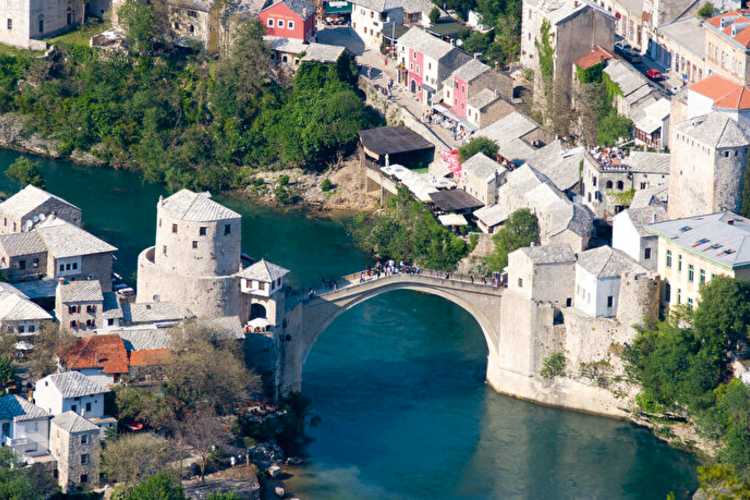
The history of the Ottoman Empire in the Balkans is not a single event or a fixed moment in time. It is a long process that shaped the cities, landscapes and cultural identity of Southeast Europe for more than five centuries. From the first Ottoman crossings into Europe to the final retreat in the early twentieth century, the Balkans were not a peripheral region of the empire but one of its most important foundations.
Within this vast historical geography, Edirne holds a special position. Located at the meeting point of Europe and Anatolia, the city became one of the earliest Ottoman centres in Europe and remained deeply connected to the empire’s political, military and cultural development for centuries. To understand the Ottoman presence in the Balkans, Edirne is not just relevant — it is essential.
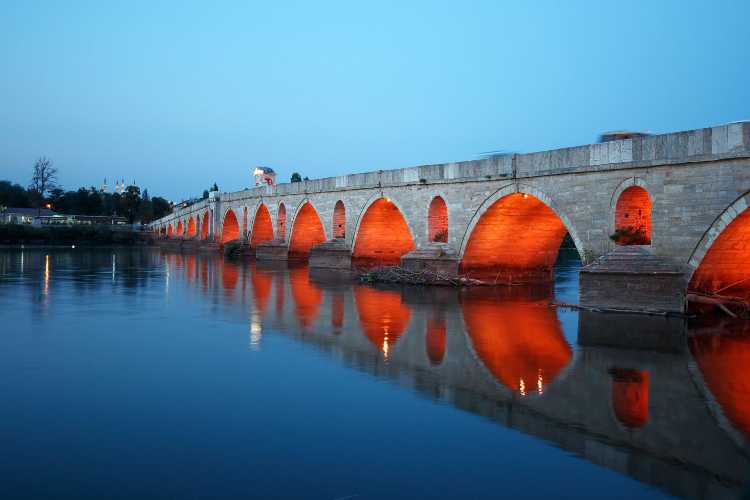
Edirne and the Opening of the Ottoman Balkans
When the Ottomans expanded into Europe in the fourteenth century, Thrace became their first permanent base. Edirne, captured in the early phase of this expansion, quickly evolved from a regional settlement into a strategic centre of power. Its location allowed the Ottomans to control key routes between Anatolia and the Balkans while also projecting authority deeper into Southeast Europe.
Before Constantinople became the imperial capital, Edirne already functioned as a political and military hub. From here, campaigns were organized, administrative systems were strengthened, and the foundations of Ottoman rule in Europe were established. In this sense, Edirne was not simply part of the Ottoman Balkans — it was one of the starting points of that history.
The Formation of Ottoman Cities in the Balkans
As Ottoman influence expanded, cities across the Balkans began to transform. Urban life was reshaped through new architectural forms, administrative structures and trade networks. Mosques, bridges, bazaars and caravan routes became defining elements of the urban landscape, blending with existing local traditions rather than completely replacing them.
This process created a distinctive cultural environment in cities such as Edirne, Sarajevo, Skopje, Thessaloniki and Plovdiv. Each of these urban centres developed its own identity within the broader Ottoman system, yet they shared common architectural and cultural patterns that still remain visible today.
Edirne, in particular, reflected the maturity of Ottoman urban development. As a former capital and major administrative centre, it became a model for how Ottoman cities in Europe could function as both political hubs and living cultural spaces.
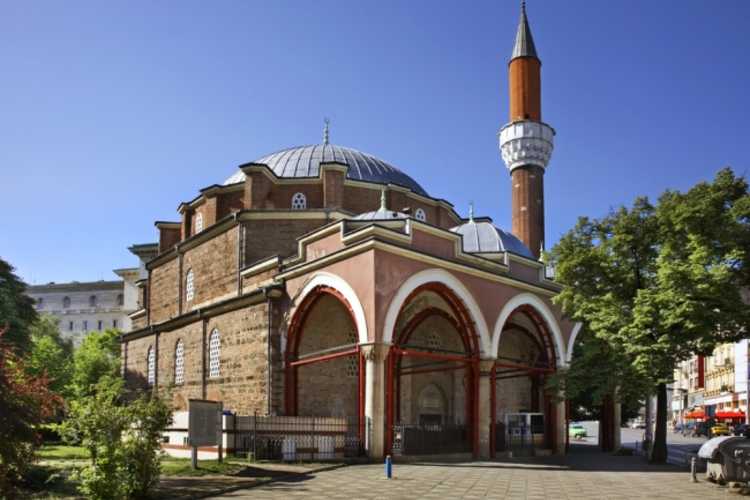
Rumelia and the European Identity of the Empire
For the Ottomans, the territories in the Balkans were known as Rumelia, meaning the land of the Romans. This region was not viewed as distant frontier territory but as an integral part of the empire’s structure. Rumelia became one of the most productive and strategically important regions under Ottoman rule, contributing significantly to military organization, trade and governance.
Edirne’s position within Rumelia reinforced its importance. It was both geographically and symbolically connected to the European dimension of the empire, serving as a bridge between Anatolia and the wider Balkan world.
The Long Transformation of Ottoman Rule in the Balkans
By the nineteenth century, the balance of power in the Balkans began to change. Rising nationalist movements, shifting alliances and external pressures gradually weakened Ottoman control over the region. Independence movements emerged across Southeast Europe, leading to a long and complex process of territorial change.
This period was not a sudden collapse but a gradual transformation of political structures. Ottoman influence remained strong in many areas even as new national states began to form.
Throughout this changing landscape, Edirne retained its strategic importance. Positioned close to emerging borders and major routes, it continued to function as a key military and administrative centre during a period of uncertainty and transition.

The Balkan Wars and the Final Phase of Ottoman Europe
The Balkan Wars of 1912–1913 marked the final major turning point in Ottoman presence in Southeast Europe. In a short but intense period of conflict, the empire lost most of its remaining territories in the Balkans. Amid this collapse, Edirne became one of the most significant strongholds of resistance.
The siege and temporary occupation of the city reflected both its strategic importance and its symbolic value within the Ottoman world. Shortly afterwards, Edirne returned to Ottoman control during the Second Balkan War, but the broader political landscape of the region had already changed permanently.
Ottoman Legacy in the Balkans Today
The Ottoman presence in the Balkans did not end with the disappearance of imperial borders. It continues to exist in the architecture of cities, in the structure of old town centres, in bridges that still carry traffic, and in cultural traditions that remain part of everyday life.
This legacy is especially visible in Edirne, where Ottoman architecture and urban design are still central elements of the city’s identity. The historical continuity between past and present is not abstract here; it is embedded in the physical environment of the city itself.

Experiencing Ottoman Heritage in Edirne
Visitors today can still trace this layered history through the city’s landmarks and urban spaces. Mosques such as Selimiye, Old Mosque and Üç Şerefeli Mosque reflect the architectural evolution of the Ottoman period, while bridges, bazaars and fortifications reveal the city’s strategic and economic importance within the empire.
Walking through Edirne today means encountering a city where history has not been preserved as a distant memory but remains integrated into daily life. The Ottoman Balkans are not only something to study here — they are something to experience.
Conclusion
The Ottoman Empire’s history in the Balkans is a story of expansion, transformation and long-lasting cultural influence. Within this story, Edirne occupies a central position not only as a historical city but as a living connection between different phases of the empire’s presence in Europe.
Understanding the Ottoman Balkans without Edirne leaves the picture incomplete. The city is not a footnote in this history — it is one of its defining reference points.
FAQ
What does “Ottoman Empire in the Balkans” mean?
It refers to the long period when much of Southeast Europe was part of the Ottoman Empire, shaping its cities, culture, and architecture.
Why was Edirne important in Ottoman history?
Edirne was one of the earliest Ottoman capitals in Europe and a key military and administrative centre before the conquest of Constantinople.
What is Rumelia?
Rumelia was the name used for the Ottoman Empire’s European territories, including much of the Balkans.
How long did the Ottomans rule in the Balkans?
In many regions, Ottoman presence lasted for more than five centuries, from the 14th century until the early 20th century.
What remains of Ottoman heritage in the Balkans today?
Mosques, bridges, bazaars, old town districts, and cultural traditions still visible across cities such as Edirne, Sarajevo, Skopje, and Plovdiv.
Why is Edirne often mentioned in Balkan history?
Because it was a strategic gateway between Europe and Anatolia and played a central role in Ottoman expansion and administration in the region.
 Türkçe