
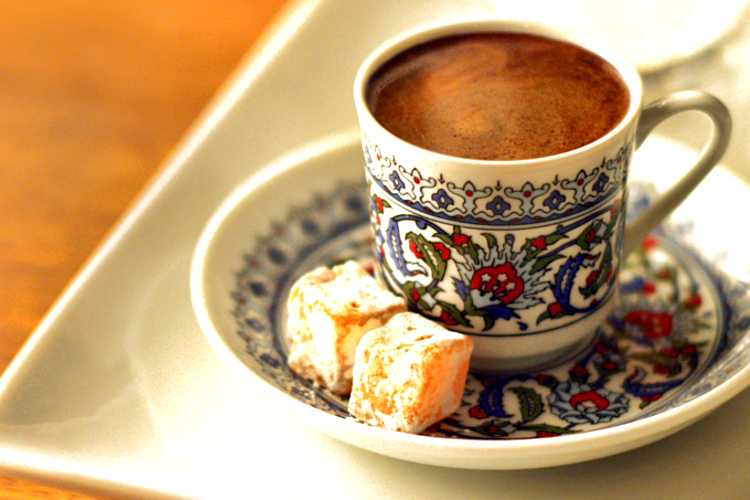
Turkish is undoubtedly one of the most interesting languages to discover. To Western ears, it may sound unfamiliar at first, but that is also part of its attraction. Sometimes a single Turkish word can reveal an entire way of expressing human relationships.
Hatır is one of those words.
It is among the most frequently used words in everyday Turkish, yet there is no single English equivalent that covers all its uses.
At its core, hatır means:
birine duyulan saygı ve sevgi
the respect and affection felt for someone
From this central idea, a surprisingly rich collection of everyday expressions develops.
And the more examples you encounter, the more you begin to see that they are not really separate meanings at all.
They are different ways of expressing regard for another person.
“For My Sake”
“For my sake…”
Benim hatırım için…
Here, hatırım carries the idea of the regard, affection or personal connection you have for me, while için corresponds directly to “for.”
Ne olur, bunu benim hatırım için yap.
“Please, do this for my sake.”
(because you love me / care about me)
In other words:
“Do it because you care about me.”
The request is therefore not simply about doing something. The speaker is appealing to the affection and regard between the two people.
“If You Have Any Regard for Me”
Eğer sende biraz hatırım varsa, bunu benim için yaparsın.
“If you have any regard for me, you’ll do this for me.”
Or, more naturally:
“If I mean anything to you, you’ll do this for me.”
Again, the speaker is appealing directly to the relationship.
The implication is:
If I matter to you, and you have affection or regard for me, you will not want to disappoint me.
“Don’t Refuse Me”
Hatırımı kırma.
Literally, this is something like “Don’t break my hatır.”
But that is not how we would say it in English.
Depending on the situation:
“Don’t refuse me.”
“Please don’t turn me down.”
“Don’t let me down.”
The underlying idea is wonderfully Turkish:
Don’t hurt the regard that exists between us by refusing me.
And the reverse is equally common:
Onun hatırını kıramadım.
“I couldn’t refuse him.”
You could have said no, but your regard for the person made it difficult to do so.

“I Have Regard for Him”
Onun hatırını sayarım.
“I have regard for him.”
Here the meaning comes very close to the core definition: respect, affection and consideration for another person.
The person matters to you, and therefore their feelings or wishes matter too.
“As a Favour”
Hatır için yaptı.
“He did it as a favour.”
Again, the action comes from the relationship rather than from obligation.
He did it out of regard for someone. This is one of the interesting things about hatır: it isn’t simply something you feel.
It can affect what you do.
“To Ask After Someone”
Bugün size hatırınızı sormak için uğradık yalnızca. Sonra yine geleceğiz.
“We just stopped by today to ask after you. We’ll come again.”
In everyday English, “We just stopped by to see how you are” would probably sound more natural.
But hatırınızı sormak carries a social meaning that goes beyond simply obtaining information.
You made the effort to visit because you have regard for the person.
And now we can see the thread connecting all these expressions.
Hatır is not really a collection of unrelated meanings.
It keeps returning to the same human idea:
someone matters to you, and that regard affects the way you treat them.
Hatır is almost a linguistic record of human connection.

And Then Comes the Coffee
Which brings us to one of the best-known Turkish sayings:
Bir fincan kahvenin kırk yıl hatırı vardır.
“A cup of coffee is remembered for forty years.”
The translation is perfectly understandable, but it does not quite capture what hatır is doing here.
The coffee itself obviously does not last forty years. What lasts is the regard created by the gesture. A cup of coffee can create a connection of affection, respect and remembrance between two people, and that regard can remain for forty years.
Someone offered the coffee.
Someone accepted it.
Perhaps they talked. Perhaps they became friends.
Perhaps a kindness was done.
The coffee was temporary.
The hatır remained.
And suddenly the saying makes much more sense.
This is why hatır is such a fascinating Turkish word. You can translate individual expressions, but no single English word can quite replace it.
Because hatır is not simply a word for something inside your mind. It describes something that exists between people.
And perhaps that is why a Turkish cup of coffee can have forty years of it (hatır).
 Türkçe