
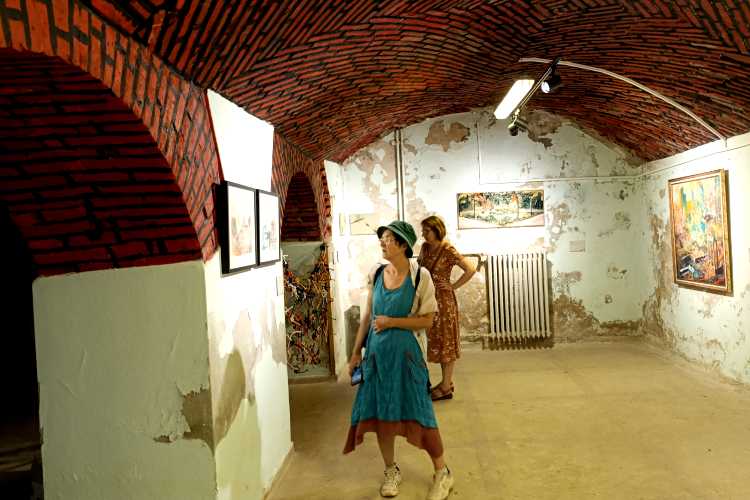
Edirne has long been known as a city where different cultures, traditions and historical periods meet. In 2026, this identity gained a new dimension when the city hosted its first international contemporary art event, the Edirne Biennale (Bienali), bringing together historic architecture, public spaces and contemporary artistic expression.
Held between 21 May and 28 June 2026 with the theme “Bridges”, the first Edirne Biennale transformed the city into an open cultural route where artworks, performances and discussions were placed within some of Edirne’s most significant historic and urban spaces.
Rather than presenting contemporary art in a single exhibition hall, the bienal invited visitors to move through the city, creating connections between past and present, architecture and creativity, local identity and international perspectives.
What Was Edirne Biennale 2026?

Edirne Bienali 2026 was the first international contemporary art bienal organised in Edirne, bringing together artists from different countries and disciplines.
The event featured 218 artists from 23 countries, with exhibitions, installations, performances, talks and workshops spread across various locations throughout the city.
The main idea behind the bienal was not simply to display artworks, but to create a dialogue between contemporary artistic approaches and Edirne’s historic environment.
The city itself became part of the experience.
Visitors encountered artworks inside centuries-old buildings, former industrial spaces and public areas, allowing Edirne’s architectural heritage to interact with new artistic interpretations.
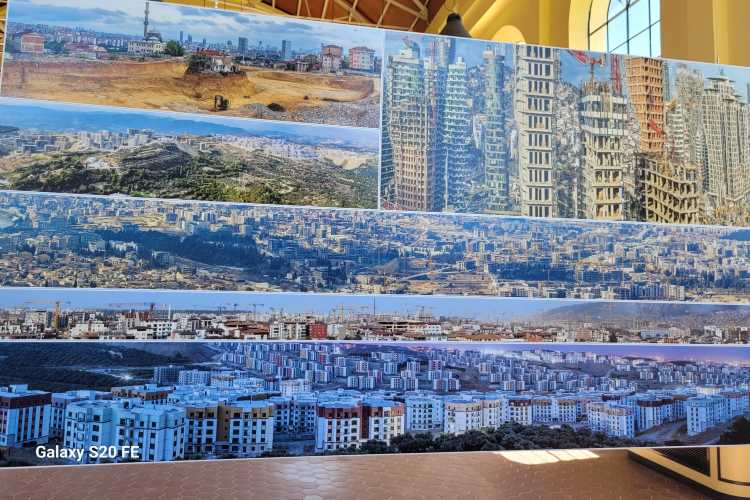
The “Bridges” Theme: Connecting Time, Cultures and Spaces
The theme of the first Edirne Bienali was “Bridges”.
The concept reflected Edirne’s unique position as a border city and a historical meeting point between different cultures. For centuries, Edirne has stood between regions, civilizations and traditions, making the idea of connection a natural theme for the city.
In the context of the bienal, bridges represented more than physical structures. They symbolised connections between:
- past and present
- local and global perspectives
- traditional heritage and contemporary creativity
- different artistic disciplines
This approach suited Edirne particularly well, as the city’s historic buildings and everyday urban life continue to coexist.
Edirne Bienali Venues: Art Across the Historic City
One of the most distinctive aspects of the bienal was the choice of locations.
Instead of separating art from the city, the organisers placed exhibitions within Edirne’s existing cultural landscape.
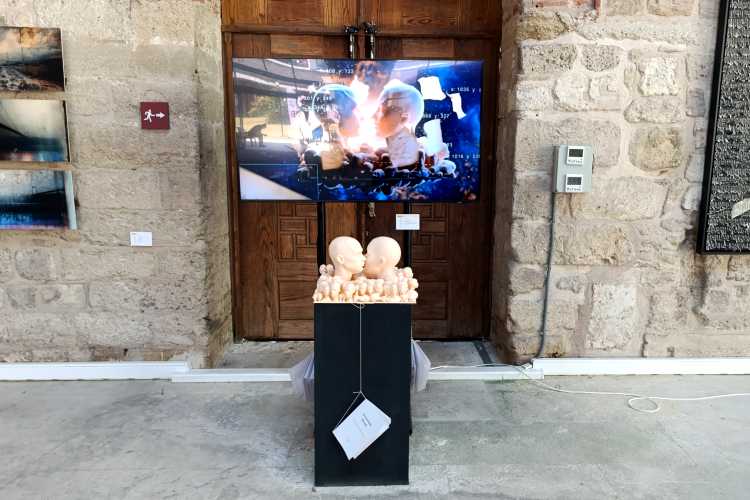
Ekmekçizade Ahmet Paşa Caravanserai
The historic Ekmekçizade Ahmet Paşa Caravanserai became one of the most memorable venues of the bienal.
The large Ottoman-era structure provided a powerful contrast between contemporary works and historic architecture, allowing visitors to experience how new artistic ideas could inhabit a centuries-old space.

Deveci Han
Another important venue was Deveci Han, one of Edirne’s historic buildings that contributed to the atmosphere of discovering art through the city’s heritage.
The building’s character became part of the exhibition experience rather than simply serving as a background.
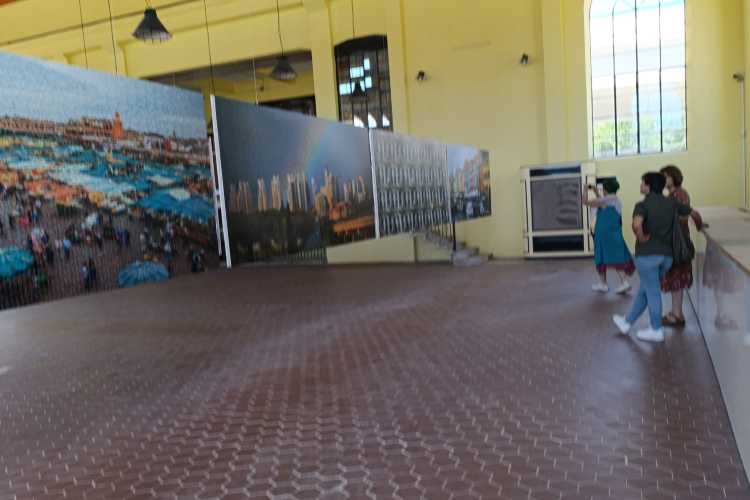
Old Electricity Factory
The former electricity building represented another side of Edirne’s story.
Its industrial character created a different atmosphere, showing how spaces connected with the city’s more recent past could also become places of cultural production.
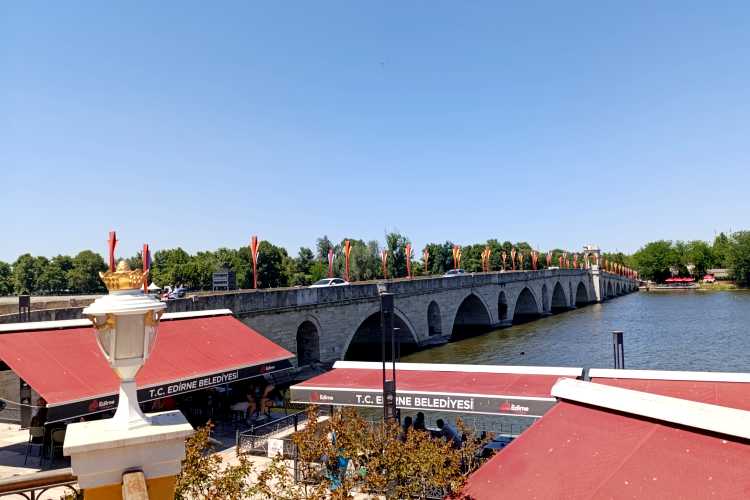
Meriç River and Protocol Building Area
The riverside area near the Meriç River added another dimension to the bienal route.
The relationship between architecture, landscape and public space reflected the wider idea of the city becoming an open-air cultural environment.

Karaağaç and the Fine Arts Faculty
The Karaağaç area, with its historic atmosphere and artistic identity, formed an important part of the bienal journey.
The Fine Arts Faculty building provided a setting where contemporary artistic practices connected naturally with Edirne’s educational and cultural heritage.
Artists and International Participation
The first Edirne Bienali brought together artists from 23 countries, creating an international platform within a city better known for its Ottoman heritage, monuments and traditional crafts.
The diversity of artistic approaches included visual arts, installations, digital works, performance-based projects and textile-related practices.
This variety reflected the broader character of contemporary art today: a field where different materials, ideas and methods interact.
Contemporary Art Meets a Living Historic City
One of the most significant aspects of Edirne Bienali was the relationship between art and place.
Edirne was not treated as a museum frozen in history. Instead, its historic buildings, streets and public spaces became active participants in a contemporary cultural conversation.
The bienal demonstrated that heritage does not only belong to the past. Historic spaces can continue to gain new meanings when they are experienced, questioned and reinterpreted.
This perspective fits naturally with Edirne’s identity as a living city where history continues to be part of everyday life.
Experiencing Edirne Through the Bienal Route
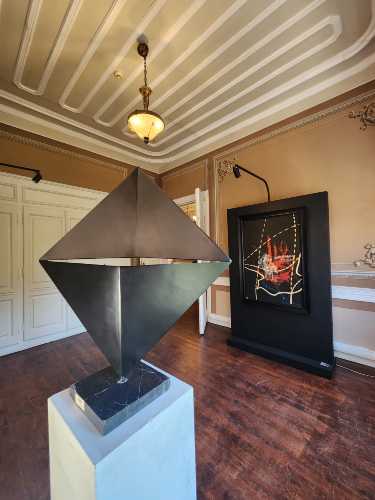
Because the exhibitions were distributed across different parts of the city, the bienal created a walking experience rather than a traditional gallery visit.
Moving between venues allowed visitors to rediscover familiar parts of Edirne from a different perspective.
A historic caravanserai, a former industrial building, a riverside location and the streets of Karaağaç became connected through art.
For a first-hand account of this experience, see our related article:
Edirne Bienal Two-Day Field Notes: A Walking Editorial Experience
Frequently Asked Questions About Edirne Bienali 2026
What was Edirne Bienali 2026?
Edirne Bienali 2026 was the first international contemporary art bienal held in Edirne, featuring exhibitions, performances and cultural events across historic and public locations in the city.
When was Edirne Bienali 2026 held?
The first Edirne Bienali took place between 21 May and 28 June 2026.
What was the theme of Edirne Bienali?
The theme of the first Edirne Bienali was “Bridges”, focusing on connections between cultures, histories, spaces and artistic perspectives.
How many artists participated in Edirne Bienali 2026?
The bienal brought together 218 artists from 23 countries.
Which places hosted Edirne Bienali exhibitions?
Major venues included Ekmekçizade Ahmet Paşa Caravanserai, Deveci Han, the Old Electricity Factory, the Meriç River area and Karaağaç Fine Arts Faculty.
Is Edirne Bienali still open?
No. The first Edirne Bienali ended on 28 June 2026. However, it remains an important cultural milestone in Edirne’s contemporary identity and can still be explored through articles, photographs and visitor experiences.
Further Reading
- Edirne Selimiye Mosque: Ottoman Masterpiece in the Heart of the City
- Karaağaç Edirne: History, Architecture and Cultural Life
- Meriç River in Edirne: Bridges, Riverside Walks and City Identity
- Edirne Museums Guide: Archaeology, Ethnography and Fine Arts in the City
- Things to Do in Edirne: Complete Travel Guide for First-Time Visitors
- Edirne Cultural Events: Festivals, Exhibitions and Year-Round Activities
 Türkçe