
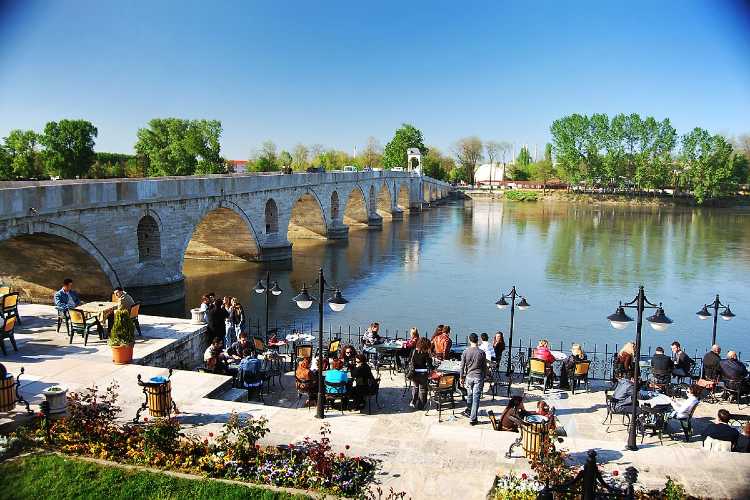
A city shaped by movement, connection, and continuity
Edirne is not a museum city frozen in the past. It is a living city where history continues to be used, experienced, and reinterpreted, creating continuous connections between generations, cultures, and ideas.
You are not arriving in a place defined only by monuments—you are entering a city where historical structures, rivers, markets, festivals, and contemporary cultural events remain part of daily life. Edirne functions as a connected system of experiences rather than a single-layer destination.
A city built on bridges—physical and cultural
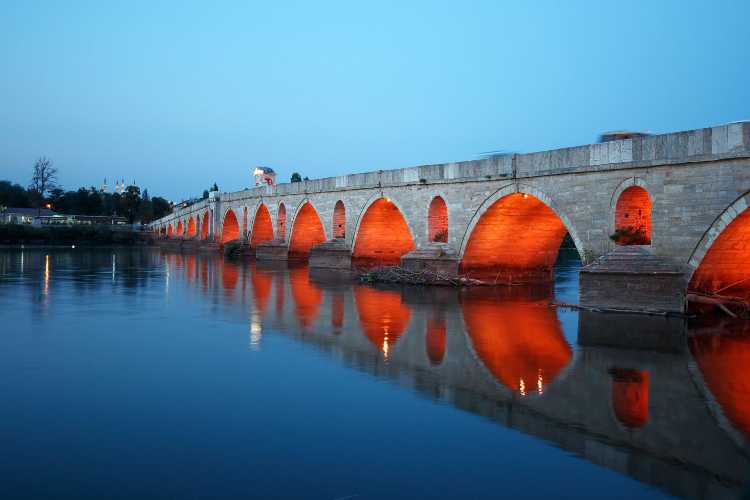
Bridges are one of the strongest symbols of Edirne, but their meaning extends beyond architecture.
The Meriç, Tunca, and Arda rivers shape not only the landscape but also the city’s cultural logic. Bridges connect districts, people, and histories, but they also represent something broader: continuity between past and present.
In this sense, Edirne is a city of bridges in every sense—geographical, cultural, and historical.
Cultural heritage as a living system
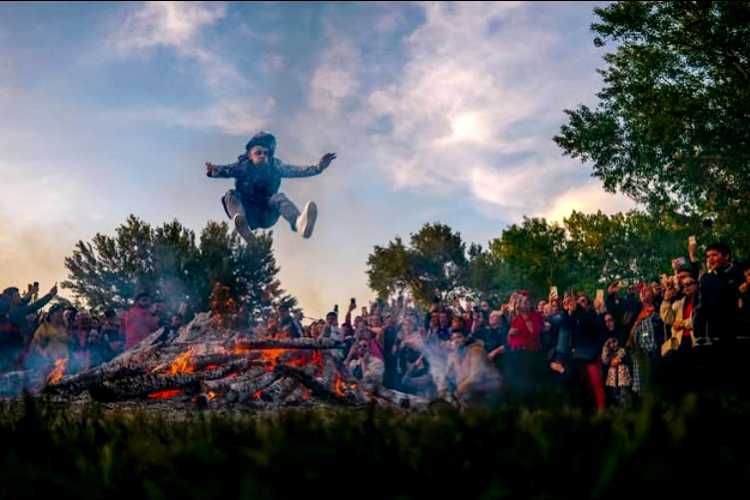
Edirne’s historical identity is not preserved as a static layer. It remains active through rituals, festivals, and everyday practices.
Traditional events such as Kırkpınar Oil Wrestling and Kakava Festival are not treated as performances of the past, but as continuing cultural expressions that still shape the city’s identity today.
This continuity between history and lived culture defines Edirne’s character more than any single monument.
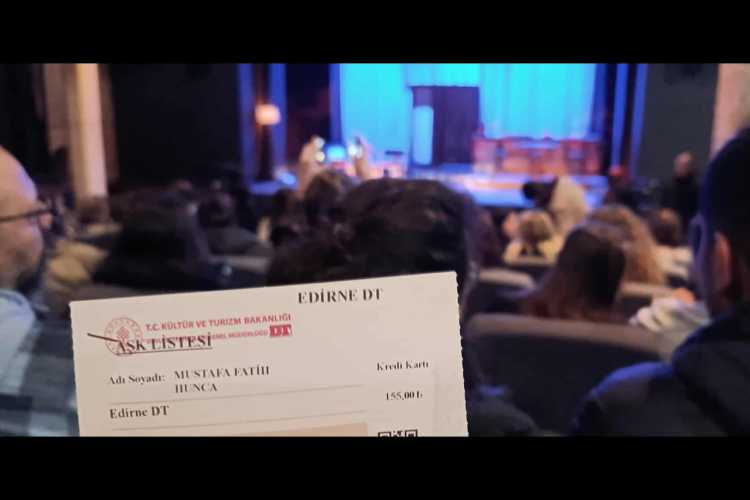
Contemporary culture and urban experience
Alongside its heritage, Edirne also develops a contemporary cultural layer. The city is increasingly shaped by exhibitions, local cultural programs, and evolving urban spaces along the rivers and historic districts.
Nightlife, cafés, riverside areas, and student culture add another dimension to the city, creating a rhythm that continues beyond daytime heritage tourism.
This combination of history and everyday life forms a layered urban experience.
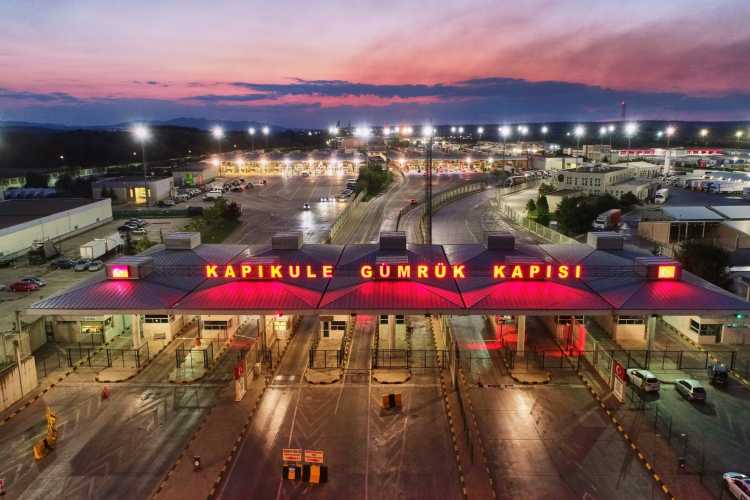
Access, borders, and regional connectivity
Edirne’s position near the borders of Greece and Bulgaria makes it a key transition point between Turkey and Europe.
Improving infrastructure, including ongoing transport developments such as the Istanbul–Edirne corridor, continues to reshape how the city is accessed and experienced.
Border crossings such as İpsala also reinforce Edirne’s role as an entry point into Turkey from Europe, adding to its identity as a city of passage and movement.
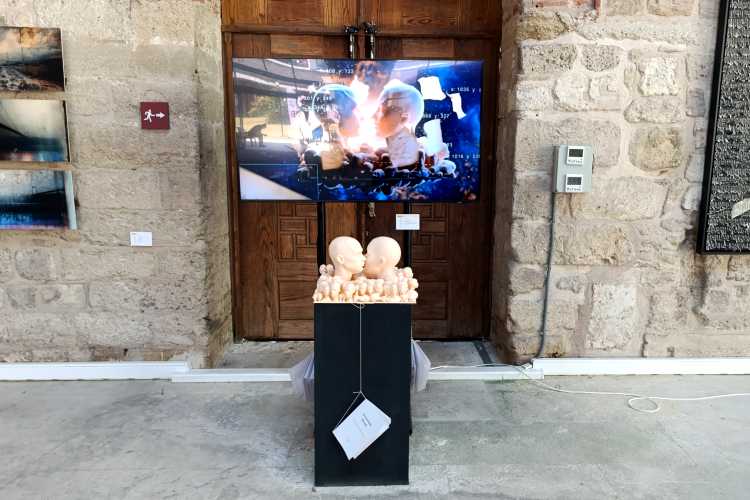
Contemporary interpretation: Edirne Bienal
A major example of Edirne’s evolving cultural identity is the Edirne Bienal.
Across historical venues such as caravanserais, cultural centers, and bridges, the Bienal transforms the city into a connected exhibition space where contemporary art interacts directly with historical architecture.
Edirne Bienal 2026 demonstrates how the city’s heritage is not only preserved but actively reinterpreted through contemporary artistic practice.
It reinforces the idea that Edirne is not only a place of memory, but also a space of ongoing cultural production.
A city experienced as a network
Edirne cannot be understood through a single attraction or category. It operates as a network of interconnected layers:
- historical architecture and monuments
- rivers and bridges shaping movement
- living traditions and festivals
- contemporary cultural activity
- border and transit infrastructure
- Bienal and curated cultural experiences
Together, these layers form a continuous urban system rather than separate attractions.
Conclusion: Edirne as a living continuity
Edirne is experienced as a living city of bridges—across rivers, time, memory, and cultural interpretation.
Its strength lies not in preserving the past as something distant, but in continuously reactivating it through daily life, cultural practice, and contemporary interpretation.
This is what makes Edirne not only historically significant, but also dynamically relevant today.
FAQ
Is Edirne only a historical city?
No. While Edirne has a strong Ottoman and pre-Ottoman heritage, it is also a living city where culture, festivals, daily life, and contemporary events continue to shape its identity.
What makes Edirne different from other cities in Turkey?
Edirne stands out for how closely its historical architecture, rivers, and cultural traditions are integrated into everyday urban life. Heritage is not isolated but actively used and experienced.
Is Edirne connected to Europe?
Yes. Edirne is located near the borders of Greece and Bulgaria, making it one of Turkey’s key gateway cities between Europe and Anatolia.
What are the main cultural experiences in Edirne?
Key experiences include the Edirne Bienal, traditional festivals like Kırkpınar Oil Wrestling and Kakava, historic bridges, Selimiye Mosque, and riverside urban life.
Can Edirne be visited as a day trip?
It can be visited in a short time, but the city reveals its depth through layered experiences across architecture, culture, food, and riverside areas.
Further Reading / Explore Edirne
- Where to Eat in Edirne: Edirne Ciğeri, Traditional Restaurants and Local Food Guide
- Discover Edirne After Dark: Nightlife, Riverside Cafés and Cultural Evenings
- Istanbul–Edirne High-Speed Train Project: What It Means for Travel and Accessibility
- Ipsala Border Gate Guide: Entering Turkey from Greece by Car
- Why Visit Enez: Edirne’s Coastal Gateway to the Aegean Side
- Saros Coast: Quiet Beaches and Summer Escapes
 Türkçe