Anasayfa » Blog » What Is Edirne’s Position on Turkey’s Development Map?
What Is Edirne’s Position on Turkey’s Development Map?
"Share This, Spread the News! / "PAYLAŞIN, YAYILSIN"
Turkey’s Socio-Economic Landscape Is Being Redrawn
According to the İl SEGE-2025 Report released by the Ministry of Industry and Technology — which evaluates the socio-economic development levels of Turkish provinces — Edirne’s progress presents an intriguing picture.
As expected, Istanbul, Ankara, and Izmir once again occupy the top three spots. However, there is noticeable movement in the middle tier, especially among provinces such as Edirne, Adana, and Yalova. The report evaluates provinces not only by their economic size but also through factors such as digitalization, environmental sustainability, innovation, and disaster resilience. Development today is measured not merely by income but by “resilience.”
Adana and Bursa: Strong Industrial Power, Great Need for Transformation
In the İl SEGE-2025 report, Adana and Bursa stand out as two industrially strong cities facing different kinds of challenges.
Adana rose steadily from 27th place in 2017 to 22nd in 2025. Growth in industry, energy, and logistics sectors supports its progress, and educational improvements look promising. Yet, a high unemployment rate and the migration of young people to other cities prevent Adana from fully realizing its potential.
Bursa, on the other hand, remains Turkey’s industrial powerhouse, holding onto its 6th place. The automotive and machinery sectors keep the local economy vibrant, but rising migration, environmental pollution, and housing pressure are creating sustainability concerns.
Edirne: The Quiet but Steady Rise of Thrace
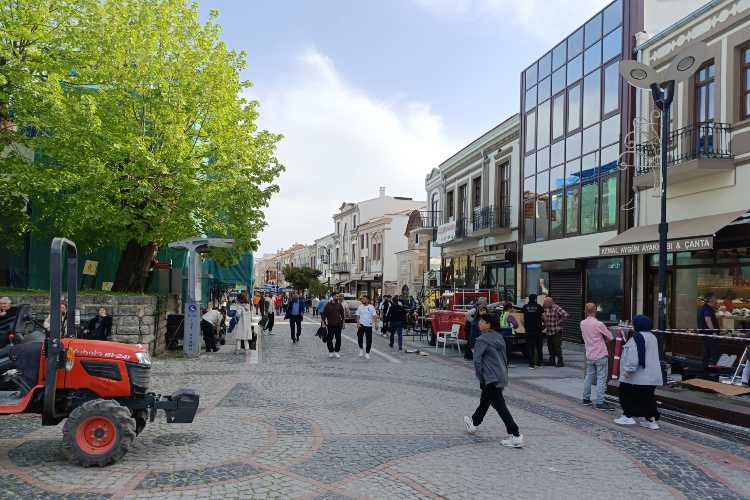
According to the İl SEGE-2025 report, Edirne climbed a few ranks compared to its 2017 position, reaching 21st place. Though this improvement may seem modest at first glance, it is significant when viewed through the province’s socio-economic context. The city’s progress largely stems from the growing strength of its agriculture and food industries. Fertile lands and the adoption of modern farming methods have turned Edirne into a regional food production hub in recent years. Its proximity to Bulgaria and Greece also gives it a substantial edge in border trade and logistics.
Edirne’s education and healthcare infrastructure are among the strongest in Thrace. Thanks to Trakya University, education levels are high, and women’s employment rates exceed the national average. This contributes not only to social development but also to the city’s overall quality-of-life indicators.
However, Edirne’s story isn’t without challenges. The city’s industrial diversity remains limited, prompting many young residents to migrate to larger cities. Nevertheless, through environmentally conscious urban planning, investment in clean energy, and expanding green spaces, Edirne has become one of Turkey’s leading examples of sustainable development.
In short, Edirne may not be a rapidly industrializing city, but it offers a stable, eco-friendly, and high-quality model of urban development. This historic Thracian city continues to write a “quiet yet sustainable success story” in Turkey’s future.
Turkey’s New Path to Development: Resilient and Transformative Cities
The İl SEGE-2025 report reveals that Turkey’s concept of development has shifted — it is no longer just about economic growth, but also about innovation, sustainability, and resilience. Earthquakes, migration trends, and the pressures of green transformation have reshaped the provincial rankings.
The steady rise of Edirne, the industrial strength of Adana, and the transformative efforts of Bursa all convey the same message: Turkey’s future lies not only in cities that grow — but in cities that can adapt and evolve.


 Türkçe