
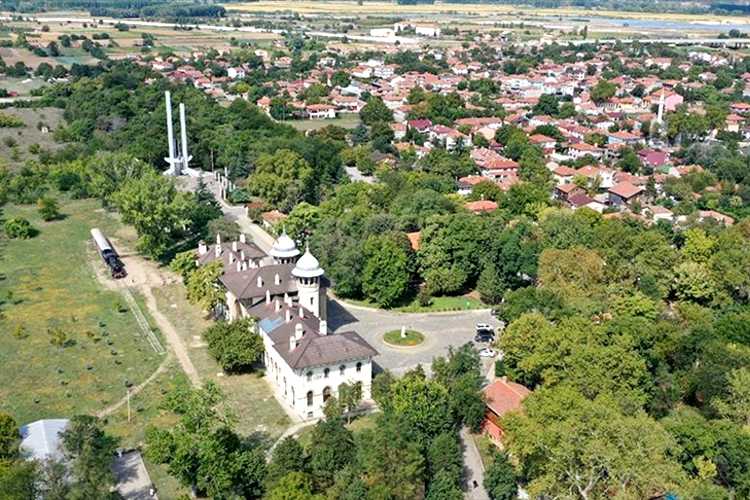
Visitors to Edirne often explore its famous historical landmarks, including the Selimiye Mosque, Üç Şerefeli Mosque, and the Health Museum, collectively known as the “Golden Triangle.” Beyond these sites, the Karaağaç neighborhood, located on the western bank of the Meriç River, has become one of Edirne’s most popular tourism destinations, offering a unique mix of history, culture, and riverside charm.
History and Heritage
The history of Karaağaç dates back to ancient times. Since the 17th century, both Turks and Greeks built summer houses and farms in the area. The neighborhood also hosted summer residences of non-Muslim residents of Edirne, as well as European families and consuls, giving Karaağaç a cosmopolitan character from early on.

In the 19th century, the Edirne Railway Station, built in 1873, became a major hub connecting Istanbul to Europe. This station transformed Karaağaç into a thriving trade and social center, shaping the neighborhood’s economic and cultural life. Greeks contributed to agriculture, including viticulture and vegetable farming, and under European influence, a new lifestyle emerged, blending local traditions with continental trends.
At the beginning of the 20th century, Karaağaç’s growth and cultural diversity led to its elevation from a village to a district. The neighborhood earned the nickname “Little Paris” for its vibrant social life and urban development.
Between 1920–1923, Karaağaç was under Greek occupation, before being returned to Turkey as part of the Treaty of Lausanne in 1923. Following the population exchange, Muslim immigrants from Western Thrace settled in the area. For decades, Muslims and non-Muslims coexisted, though during World War II, most of the non-Muslim population emigrated to Istanbul, Greece, Italy, and Brazil.
Lesser-known stories from the neighborhood include riverside mills, old bridges, and community gatherings, reflecting Karaağaç’s multicultural past and the everyday life of its residents.
Today, the Historic Train Station remains one of Karaağaç’s defining landmarks. Once the main gateway to Europe, it now houses the Faculty of Fine Arts of Trakya University. Its preserved architecture, elegant façade, and cultural significance make it a must-see attraction, connecting visitors directly to the neighborhood’s rich history.
Geography and Natural Areas
- Karaağaç is one of the largest neighborhoods in Edirne, encompassing parts of both the Tunca and Meriç Rivers.
- It includes protected natural areas, such as Asker Söğütlüğü, Pazarkule, and Karaağaç Söğütlüğü State Forests.
- Most of the neighborhood is an urban conservation area, preserving historic streets, architecture, and green spaces.
- These natural and urban protections enhance tourism potential, offering scenic walks, cycling, and outdoor exploration.
Landmarks and Attractions
- Historic Train Station: Built in 1873, now home to the Faculty of Fine Arts of Trakya University, central to Karaağaç’s identity.
- Lausanne Monument: Commemorates the 1923 Treaty of Lausanne, a major cultural landmark.
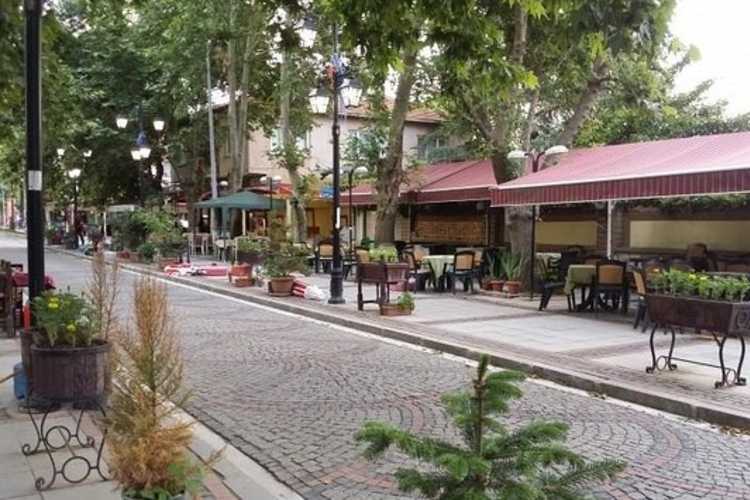
- Historic houses, streets, and cafés: Single-story colorful houses, wide streets, and nostalgic cafés create the neighborhood’s unique charm.
- Outdoor and cultural activities: Riverside walks, forest trails, university exhibitions, and artisan workshops showcase both nature and culture.
- Tourism potential: Natural areas, riverside scenery, and historical architecture make Karaağaç ideal for photography, cycling, hiking, and cultural exploration.
What to Expect in Karaağaç
Karaağaç is especially lively in the late afternoon when visitors arrive for walks, café stops, and photography around the historic train station. The area has a relaxed atmosphere that contrasts with central Edirne, making it a popular escape for both locals and tourists, with nearby green spaces and routes leading toward the Meriç River surroundings.
How to Get There
Karaağaç is located on the western side of Edirne and is easily accessible from the city center by car, taxi, bicycle, or on foot. Public transport is also available, making it easy for visitors to reach the area without a private vehicle.
Local city buses operated by Serhad Birlik provide direct connections to Karaağaç. The 6A line operates from central Edirne (including KYK, Kıyık, Bankalar, and Pazartesi Pazarı areas) and continues toward Karaağaç and the Fen Lisesi area. Another useful option is the 3C line, which runs between Fen Lisesi and the Intercity Bus Terminal (Otogar), passing through parts of the city center and connecting to Karaağaç.
Many visitors also prefer walking or cycling from central Edirne via the historic Tunca Bridge, continuing through the riverside area and crossing the Meriç Bridge toward Karaağaç, especially in the late afternoon.
Visitor Tips
- Located 4 km from Edirne city center, accessible by car, bike, or a short walk.
- Best time to visit: Afternoon or early evening for riverside views, café stops, and sunset photography.
- Combine your visit with the Golden Triangle attractions — Selimiye Mosque, Üç Şerefeli Mosque, and the Health Museum — for a full-day Edirne experience.
- Wear comfortable shoes for walking along riverside trails and in protected forests.
 Türkçe