

The Epic Battle of Çanakkale, also known internationally as the Gallipoli Campaign, was one of the most decisive confrontations of World War I. Fought between April 25, 1915, and January 9, 1916, the campaign took place on and around the Gallipoli Peninsula, controlling the entrance to the Dardanelles Strait, a strategic waterway linking the Mediterranean to the Black Sea.
Allied forces aimed to capture Constantinople (Istanbul) and force the Ottoman Empire out of the war, but the Ottoman defenders turned the campaign into a remarkable story of resistance, sacrifice, and national unity. Today, the battle is remembered not only for its historical significance but also as a symbol of heroism and resilience, drawing visitors from around the world to its memorials and battlefields.
For tourists and history enthusiasts, understanding the battle’s background and visiting the memorials adds depth and context to a trip to Turkey.
The “Sick Man of the Bosphorus” Awakens
The “Sick Man of the Bosphorus,” once a phrase describing the weakening Ottoman Empire, suddenly awakened, raining bombs upon the Allied fleet in the Dardanelles. The empire they had underestimated rose as a giant, united, and resolute.
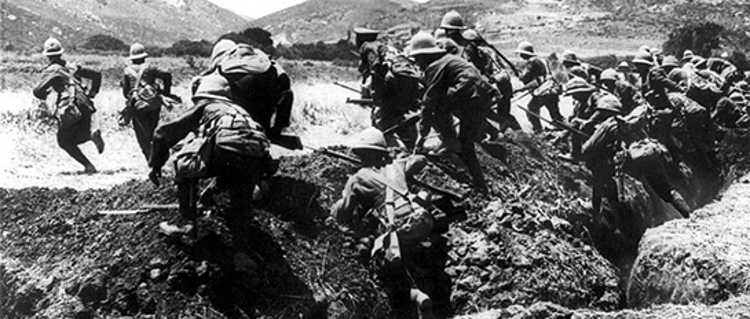
The Allies then attempted a land assault on Gallipoli but were repelled on multiple fronts. The greatest losses occurred during the ANZAC landings in April 1915 and the defenses at Gallipoli and the Dardanelles proved so effective that they shattered a far larger and better-equipped enemy force, cementing Çanakkale as a symbol of strategic brilliance and heroic resistance.
Leadership of Mustafa Kemal
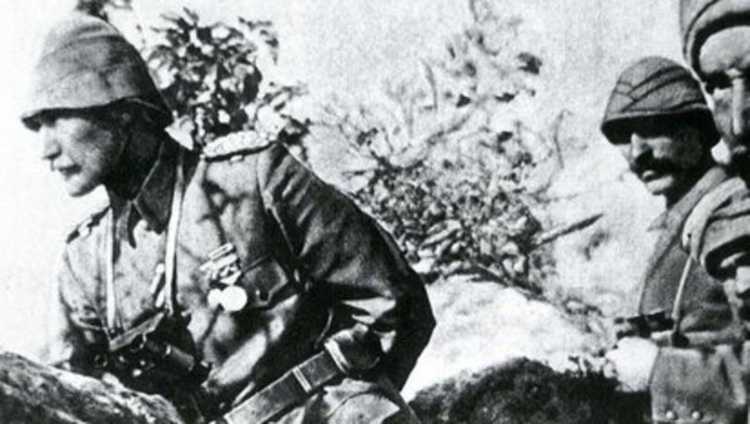
This battle, conducted under the command of Colonel Mustafa Kemal at the time (later known as Mustafa Kemal Atatürk, the great founder of the Republic of Turkey), holds immense significance in Turkish history.
Throughout history, Turks have always been a nation that fought and struggled. Whenever their enemies thought they were weakened and could be destroyed, Turks have shown remarkable resilience. Çanakkale is one of the most notable examples of this resilience.
The victory was achieved against a technologically superior army. Turkish soldiers fought under extremely difficult conditions, often with limited equipment and supplies. Many soldiers lacked proper footwear and adequate food, yet they continued to fight with extraordinary determination.
The battle also produced legendary moments that became part of historical memory, including the famous stories of bullets colliding in mid-air, examples of which are displayed today in museums.
The human cost of the campaign was enormous. During those years, many high schools and universities in the country could not graduate students because so many young men had joined the front and lost their lives in the war.
Although the exact number of martyrs remains debated among historians, the campaign resulted in hundreds of thousands of casualties on both sides. As Mustafa Kemal Pasha famously expressed, the soldiers defending the homeland were not simply fighting a battle — they were prepared to sacrifice their lives for their nation.
Why the Battle of Çanakkale Matters
The Çanakkale campaign was a defining moment for Turkey and the world:
- Strategic Importance: Control of the Dardanelles was vital for the Allies to access the Ottoman capital and the Black Sea.
- Heroic Resistance: Turkish forces successfully defended their homeland against a much larger Allied fleet.
- National Symbol: The battle inspired future leaders and became a cornerstone of Turkish identity.
- International Legacy: Soldiers from many nations fought here, and the battle is commemorated annually by Turkey, Australia, and New Zealand.
Visiting the Çanakkale Battle Sites
Important sites include:
- Anzac Cove – the famous landing site of ANZAC troops
- Çanakkale Martyrs’ Memorial – honoring Turkish soldiers who lost their lives
- Gallipoli Peninsula Historical National Park
- Numerous cemeteries, monuments, and museums
Walking across the peaceful hills and memorial sites today makes it difficult to imagine the intense fighting that once took place there.
Annual Commemorations
Every year, large international ceremonies take place to commemorate the campaign.
March 18 – Çanakkale Victory and Martyrs’ Day (Turkey)
Commemorates the Ottoman naval victory during the campaign.
April 24–25 – Gallipoli / ANZAC commemorations
Thousands of visitors from Turkey, Australia, New Zealand, and other countries gather at Gallipoli to remember the soldiers who fought and died there.
These ceremonies emphasize remembrance, respect, and reconciliation among nations that were once adversaries.
FAQ – Epic Battle of Çanakkale
When did the Battle of Çanakkale take place?
The campaign lasted from April 25, 1915 to January 9, 1916 during World War I.
Why is the battle so important in Turkish history?
The successful defense of the Dardanelles became a symbol of national resistance, sacrifice, and determination.
Who commanded the Ottoman forces?
One of the most prominent commanders was Colonel Mustafa Kemal, who later became Mustafa Kemal Atatürk, founder of the Republic of Turkey.
Can tourists visit the battle sites today?
Yes. The Gallipoli Peninsula Historical National Park and its memorials are open to visitors and are among Turkey’s most important historical destinations.
When are the main commemorations held?
Major ceremonies take place on March 18 and April 24–25 each year.
Explore More
Explore Nearby History
Planning a trip to Turkey? Discover more historical sites in our Edirne city guide.
Learn More
Want to dive deeper into Turkey’s history? Check out our detailed Gallipoli & Çanakkale travel guide.
Share with Friends
Know a history enthusiast? Share this page and let them explore the epic Battle of Çanakkale.
Plan Your Visit
Visiting Çanakkale soon? See our tourist guide for tips on sites, museums, and memorials.
Tips for visitors:
- Wear comfortable shoes for walking on uneven terrain.
- Bring water, sunscreen, and a camera — the landscapes and memorials are both historic and scenic.
- April 24–25 is the main commemoration period, with ceremonies honoring the soldiers.
 Türkçe