
What you are about to read happened in a city whose past includes a remarkable chapter in the history of medical care, preserved at the Sultan Bayezid II Health Museum. Today, a new story is unfolding — one that asks a different but equally important question: how do we care for the other living beings who share our world?
In Süloğlu, in Edirne Province, a major new natural living area for stray animals has opened, bringing together local authorities in an ambitious effort to provide shelter, veterinary treatment and better living conditions for dogs in need. With the ambition of meeting European standards of animal care, the facility aims to set an example for similar initiatives across Turkey.
A New Home for Stray Animals
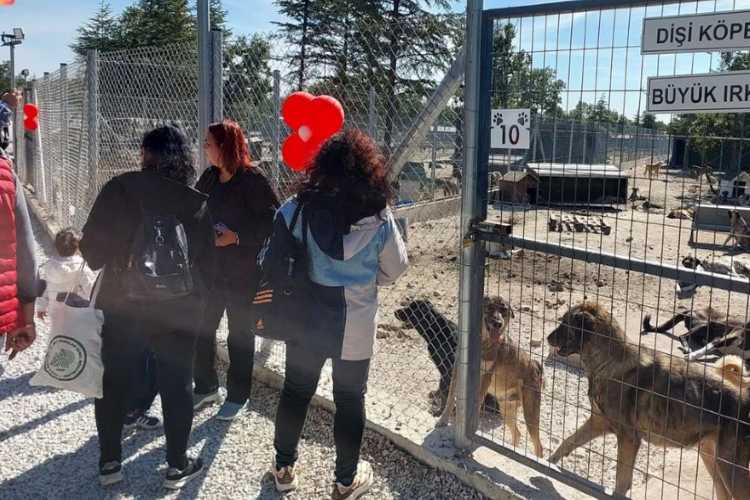
Covering 42,000 square metres (approximately 10.4 acres), the facility is divided into 26 paddocks. At the time of its opening on 6 October 2026, it housed 1,186 dogs, separated according to their size and sex.
The site includes dedicated care units, an operating theatre, administrative facilities and a pet cemetery. Its purpose extends beyond providing shelter: regular feeding, veterinary checks, treatment and sterilisation are essential parts of the work, alongside efforts to find suitable homes for dogs through adoption.
The project was developed through cooperation between the Edirne Governorship, the Edirne Provincial Special Administration, Edirne Municipality and the municipalities of Süloğlu, Havsa and Lalapaşa. Financial support from national nature conservation authorities also contributed to the construction and food costs.
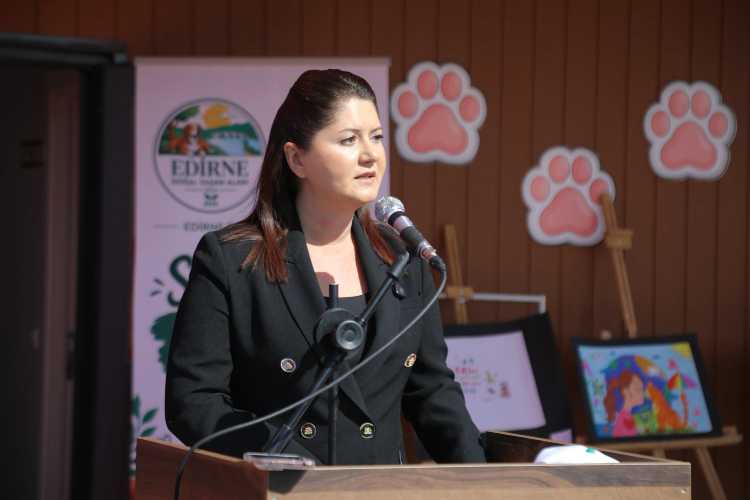
The scale of the facility is considerable. But, as Edirne Mayor Filiz Gencan emphasised at the opening, its true value will not be measured simply by its size or the number of animals it can accommodate.
The Real Responsibility Begins Now
“The real issue is not the numbers, but how the lives entrusted to us will live.”
That was the central message of Mayor Filiz Gencan, who stressed that opening the facility was not the end of the work but the beginning of a continuing responsibility. Providing food, daily care, veterinary treatment and suitable living conditions will matter far more than the opening ceremony itself. The animals’ welfare must remain at the centre of the effort.
Gencan also invited people concerned about the animals to visit the facility, speak with the veterinarians and staff, and offer constructive suggestions. The aim, she explained, should be to work towards healthy and safe conditions rather than become caught up in arguments.
She did not suggest that one facility could solve every problem. Lasting progress also requires sterilisation, treatment, registration, responsible ownership, adoption and measures to prevent animals from being abandoned in the first place.
Her position was clear: “We will stand on the side of keeping life alive.”
Other local representatives expressed similar views. Lalapaşa Mayor Zafer Sezgin Geldi stressed that municipal responsibility extends beyond roads and infrastructure to all living beings in the community. Süloğlu Mayor Mehmet Ormankıran described the opening as more than the opening of a shelter door — it was an opportunity to open the door to a mindset that protects street animals.
More Than a Place to Stay
An aerial view of the facility reveals its scale and layout. Yet buildings, paddocks and equipment are only the visible part of the story.
The real test will be what happens every day: whether the dogs receive proper care, whether their health needs are met, and whether those suitable for adoption find responsible homes.
For people troubled by the difficult and often painful debates surrounding stray animals in Turkey, the opening offers a reason for cautious hope. It represents a practical attempt to address a complex issue, while also reminding us that the work does not end when a facility opens its gates.
What This Says About Edirne
Edirne is known for its remarkable Ottoman heritage, its historic role as an imperial capital and landmarks such as the Selimiye Mosque and the Sultan Bayezid II Health Museum. These monuments tell stories of architecture, civilisation and the care once devoted to human health.
But a city’s character is reflected not only in the unparalleled monuments it preserves or the buildings it creates, but also in how it treats the living beings that share its world.
That is what gives this story a wider meaning. Edirne’s heritage is not confined to its past. The values a city chooses to uphold today also shape its identity — and the impression it leaves on those who visit.
For a city that has long stood at the crossroads between Turkey and Europe, the new natural living area offers another story to discover: one about cooperation, compassion and the responsibility that comes with caring for life.
The facility has opened. The responsibility continues. What matters now is how that responsibility is fulfilled — one day, and one life, at a time.
 Türkçe