
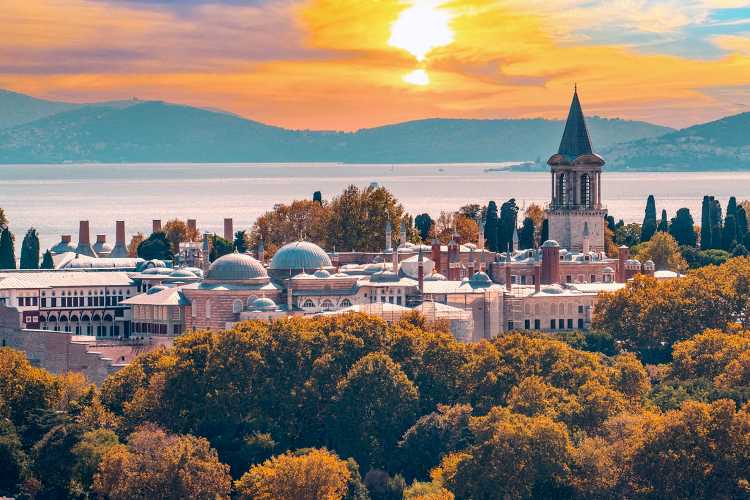
In this article, we journey through the most remarkable empires, from the first known urban civilizations to the Ottoman Empire, on whose ashes the modern Republic of Turkey we live in today was founded and highlight their achievements and enduring impact.
1. Sumerian Empire (c. 4500–1940 BCE)
- Located in Mesopotamia, the Sumerians are credited with creating the world’s first cities and writing system (cuneiform).
- Developed irrigation, trade networks, and early legal codes that laid the foundation for later empires.
- Innovations in mathematics and astronomy influenced civilizations across the ancient Near East.
2. Akkadian Empire (c. 2334–2154 BCE)
- Often considered the first true empire, uniting multiple city-states under Sargon of Akkad.
- Established centralized administration and military organization, which became models for future empires.
- Promoted cultural integration across diverse regions, demonstrating early imperial governance.
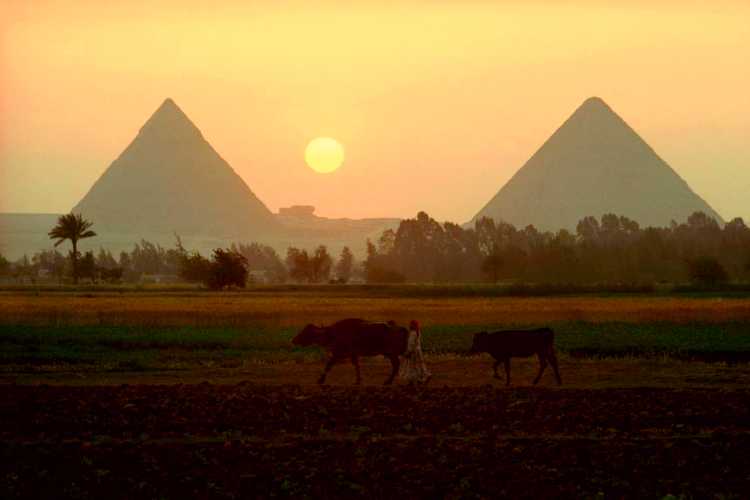
3. Egyptian Empire – New Kingdom (c. 1550–1070 BCE)
- Famous for monumental architecture like the temples of Karnak and Luxor, and the Valley of the Kings.
- Achieved military dominance over Nubia, Syria, and Palestine.
- Innovations in writing, art, and religious practices influenced Mediterranean and Near Eastern civilizations.
4. Persian Empire – Achaemenid (550–330 BCE)
- Unified a vast territory stretching from the Indus Valley to the Aegean Sea.
- Developed an efficient administrative system, road networks, and postal service.
- Promoted cultural tolerance and local autonomy, influencing governance models for later empires.
5. Greek / Macedonian Empire (Alexander the Great, 336–323 BCE)
- Spread Hellenistic culture across Europe, the Middle East, and Asia.
- Established cities that became centers of learning, trade, and governance.
- Military strategies and philosophical ideas shaped Western civilization.
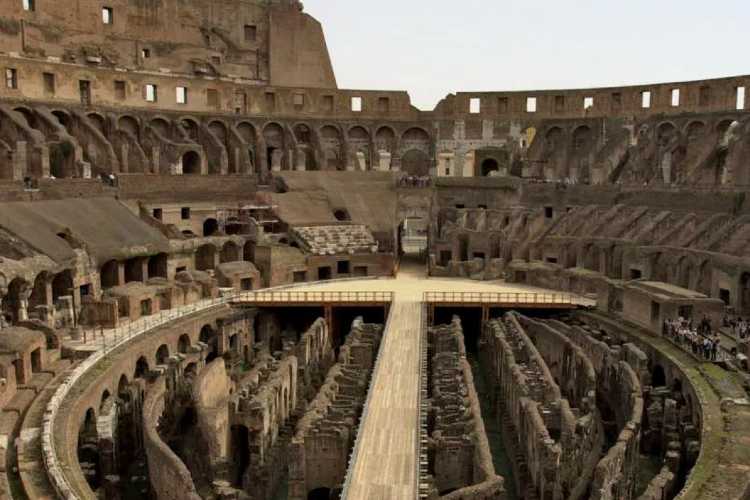
6. Roman Empire (27 BCE – 476 CE / Eastern 1453)
- Built vast infrastructure, including roads, aqueducts, and public buildings.
- Developed a legal system that still underpins modern law.
- Maintained administrative efficiency across Europe, the Mediterranean, and the Near East.
7. Byzantine Empire (330–1453 CE)
- Eastern continuation of Rome, preserving classical knowledge and governance.
- Influenced art, architecture, and religion across Eastern Europe and the Middle East.
- Served as a bridge to the rise of the Ottoman Empire in Anatolia and the Balkans.
8. Mongol Empire (1206–1368)
- Largest contiguous land empire in history, under Genghis Khan and successors.
- Opened the Silk Road to trade, spreading goods, technology, and culture across Eurasia.
- Demonstrated the power of mobility, military organization, and strategic governance.
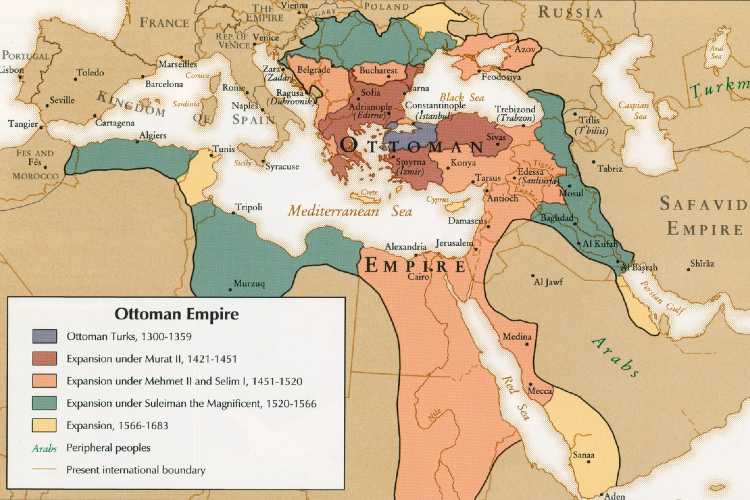
9. Ottoman Empire (1299–1922)
- Spanning Europe, Asia, and Africa, the Ottoman Empire combined military strength, cultural diversity, and political innovation.
- At its height, it controlled major trade routes and influenced art, architecture, and science.
Edirne – The Strategic Second Capital
- Before the conquest of Istanbul in 1453, Edirne served as the empire’s second capital (1365–1453).
- Strategically located in Europe, it acted as the gateway for Ottoman expansion into the Balkans.
- Key landmarks include the Selimiye Mosque, a UNESCO World Heritage site by Mimar Sinan, and the Grand Synagogue of Edirne, reflecting cultural diversity.
- Edirne hosted the Kırkpınar Oil Wrestling Festival, the world’s oldest wrestling competition, showcasing Ottoman traditions still alive today.
- The city exemplifies the empire’s administrative, military, and cultural sophistication, making it a cornerstone of Ottoman history.
- Istanbul later became the final capital, cementing the empire’s global influence for centuries.

10. British Empire (16th–20th century)
- Controlled vast territories across multiple continents.
- Spread the English language, parliamentary governance, and industrial technology worldwide.
- Its trade networks and cultural exchange shaped the modern global economy.
Comparing the Great Empires
| Empire | Duration | Peak Territory | Key Achievements |
| Sumer | 4500–1940 BCE | Mesopotamia | Writing, cities, irrigation |
| Akkadian | 2334–2154 BCE | Mesopotamia | Centralized rule, administration |
| Egypt (New Kingdom) | 1550–1070 BCE | Nile Valley | Architecture, military, religion |
| Persian | 550–330 BCE | 5 million km² | Administration, roads, tolerance |
| Greek / Macedonian | 336–323 BCE | 5 million km² | Hellenistic culture, cities |
| Roman | 27 BCE–476 CE | 5 million km² | Law, architecture, governance |
| Byzantine | 330–1453 CE | Eastern Mediterranean | Art, architecture, preservation |
| Mongol | 1206–1368 | 24 million km² | Silk Road, military, trade |
| Ottoman | 1299–1922 | 5.2 million km² | Trade, architecture, cultural diversity |
| British | 16th–20th C | 35 million km² | Language, governance, commerce |
A Holistic Journey Through Ottoman Capitals
For travelers interested in history and culture, the Ottoman capitals can be explored as a holistic travel route. From Bursa’s early Ottoman architecture, to Edirne’s grand mosques and festivals, and finally Istanbul’s imperial monuments, this journey brings the empire’s history to life. Visitors can also reflect on how, after the Ottoman Empire’s surrender and occupation of its key cities, the modern Republic of Turkey was established under Atatürk’s leadership, thanks to the legendary Turkish War of Independence. Travelers can combine sightseeing, cultural experiences, and local cuisine, connecting historical knowledge with modern exploration.
For more details on visiting these cities and exploring their heritage, see our Ottoman Empire Capitals page.
 Türkçe